
The most common and biggest single cause of hearing loss is aging. It’s known as age-related deafness, age-related hearing loss, or presbycusis. At the moment, researchers only really know that it develops as a result of getting older – caused by the natural aging of the auditory system.
It begins to happen around the age of 40 and gets progressively worse over the years. In Britain alone, 40% of people over the age of 65 are affected by this. Worldwide, just over 30% of people are. The first thing to go as a person’s hearing starts to deteriorate is the ability to hear high-frequency sounds, such as female or children’s voices. Overall, hearing will reach a significantly problematic level by the age of 80 and above.
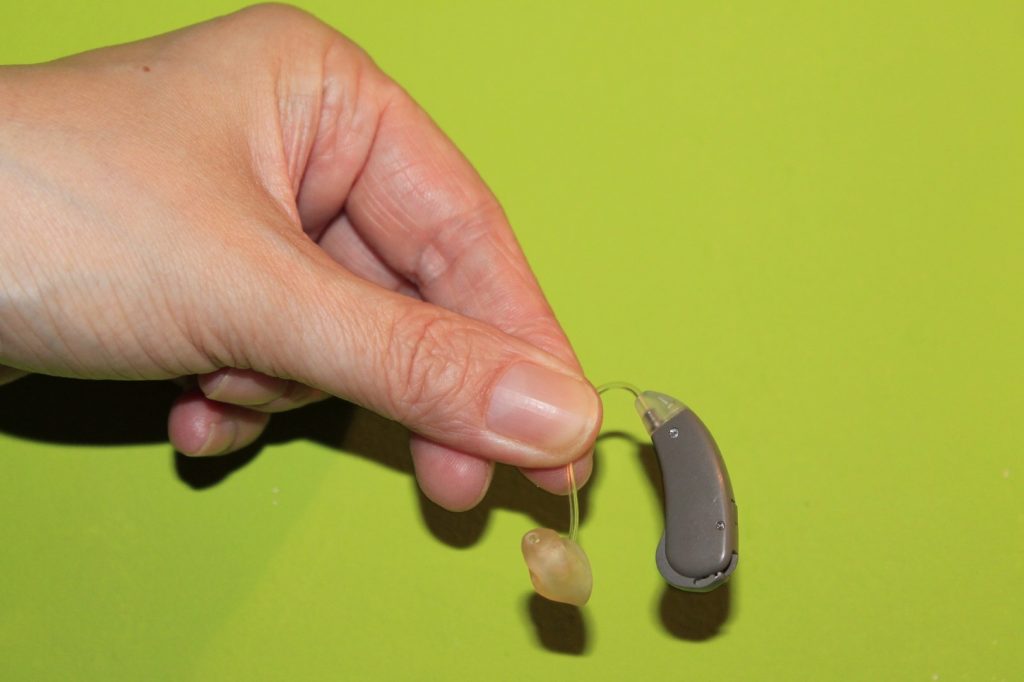
The sad thing is, not only does it make life more difficult for these individuals, but it also causes social isolation and depression and has recently been identified as a risk factor for dementia. Yet little is known about it and the only treatment option available is hearing aids which are rarely worn once prescribed.
Thinking, “there must be something that can be done to help all these people!”, a team of scientists from King’s College London, University College London and the University of Manchester conducted a study to try to understand why age-related hearing loss happens. The results? They found 44 genes linked to the condition – a discovery that could lead to a cure! The findings were published in the American Journal of Human Genetics.
Professor Frances Williams of King’s College London, co-lead author of the study, said:
We now know that very many genes are involved in the loss of hearing as we age. This study identified a few genes that we already know cause deafness in children, but it also revealed lots of additional novel genes which point to new biological pathways in hearing.
The Study
The genetic data from over 250,000 participants of the UK Biobank aged 40-69 years was analyzed.
The researchers were looking to see which genes were associated with people who had reported having or not having hearing problems on a questionnaire.
The Results
44 genes were identified.
Conclusion
Before this study, only 5 genes had been identified. Now they know of 39 more!
Dr. Sally Dawson of the University College London said:
Before our study, only five genes had been identified as predictors of age-related hearing loss, so our findings herald a nine-fold increase in independent genetic markers. We hope that our findings will help drive forward research into much-needed new therapies for the millions of people worldwide affected by hearing loss as they age.
Dr. Ralph Holme, Executive Director of Research at Action on Hearing Loss, said:
These findings are incredibly significant. We believe they will speed up the discovery of treatments to slow or even halt the progressive loss of hearing as we get older, something which happens to at least 70% of over-70-year-olds. The identification of these genes linked to age-related hearing loss throws open the door to many new lines of research into treatments.
The next phase of their study is to investigate how each identified gene influences the auditory pathway. They are hopeful their next findings will provide opportunities to develop new treatments.


