
Fire engineers are the unsung heroes who work tirelessly behind the scenes to ensure our safety in the face of one of nature’s most destructive forces: fire. While most of us associate firefighters with bravery and heroism, it’s the fire engineers who play a pivotal role in preventing disasters before they even start. These dedicated professionals use their expertise to design and implement fire safety systems that protect buildings, industries, and even entire communities.
The world of fire engineering is of great benefit to society, and we’ll explore how these experts use science and technology to save lives and preserve property in the most challenging of circumstances.
Fire Prevention Measures
Fire prevention measures are essential strategies employed by fire engineers to safeguard lives and property from the devastating impact of fires. These proactive steps involve meticulous inspections of structures to identify potential fire hazards, such as faulty electrical systems or flammable materials, ensuring compliance with stringent fire safety codes.
These engineers recommend and enforce preventive measures, such as the installation of fire alarms, smoke detectors, and automatic sprinkler systems. By creating a robust foundation of fire prevention, fire engineers aim to reduce the probability of fires occurring and, in turn, minimize the risks to individuals, businesses, and communities while fostering a safer built environment for everyone.
Emergency Response Planning
Emergency response planning is a critical aspect of the work undertaken by fire engineers to protect lives and property in the event of a fire outbreak. These professionals develop comprehensive plans for swift and efficient evacuations tailored to the specific needs of buildings and public spaces. They collaborate closely with local emergency services to ensure a coordinated and effective response.
Additionally, fire engineers conduct regular fire drills and training sessions for occupants, ensuring they are well-prepared to react calmly and swiftly during emergencies. By meticulously planning and practising emergency responses, these engineers contribute to a safer environment and enhance the chances of a successful evacuation in times of crisis.

Fire Suppression Techniques
Fire suppression techniques are a cornerstone of fire engineering, designed to swiftly and effectively combat fires when prevention measures fail.
Fire engineers play a crucial role in designing and installing state-of-the-art fire suppression systems like sprinklers and fire extinguishers, ensuring they are strategically placed and capable of swiftly controlling flames. These professionals are trained in advanced firefighting equipment and techniques, allowing them to respond to various types of fires, from small household incidents to large-scale industrial emergencies.
By mastering these techniques, they not only save lives but also minimize property damage, making communities safer and more resilient in the face of fire-related challenges.
Risk Assessment
Risk assessment is a fundamental aspect of fire engineering, focusing on identifying and mitigating potential fire hazards and vulnerabilities in diverse environments. Fire engineers carefully analyze these risks, considering factors such as building design, occupancy, and the presence of flammable materials. By comprehensively assessing these variables, they develop strategies to reduce the likelihood of fire incidents.
This proactive approach not only safeguards lives and property but also fosters a culture of fire safety. Whether in industrial settings or residential areas, the systematic risk assessment conducted by fire engineers serves as a cornerstone for creating safer environments and minimizing the devastating impacts of fires.
Fire Investigation
Fire investigation is a crucial aspect of fire engineering, aimed at determining the causes and origins of fires. Engineers work meticulously to uncover whether foul play, negligence, or accidental factors contributed to a fire incident. Their expertise allows them to analyze fire patterns, study burn marks, and gather evidence to piece together the sequence of events leading to a fire.
Collaboration with law enforcement agencies and forensic experts is common during these investigations. By uncovering the root causes of fires, fire engineers not only aid in the pursuit of justice but also contribute to preventing similar incidents in the future, thereby enhancing overall fire safety and community resilience.
Public Education and Awareness
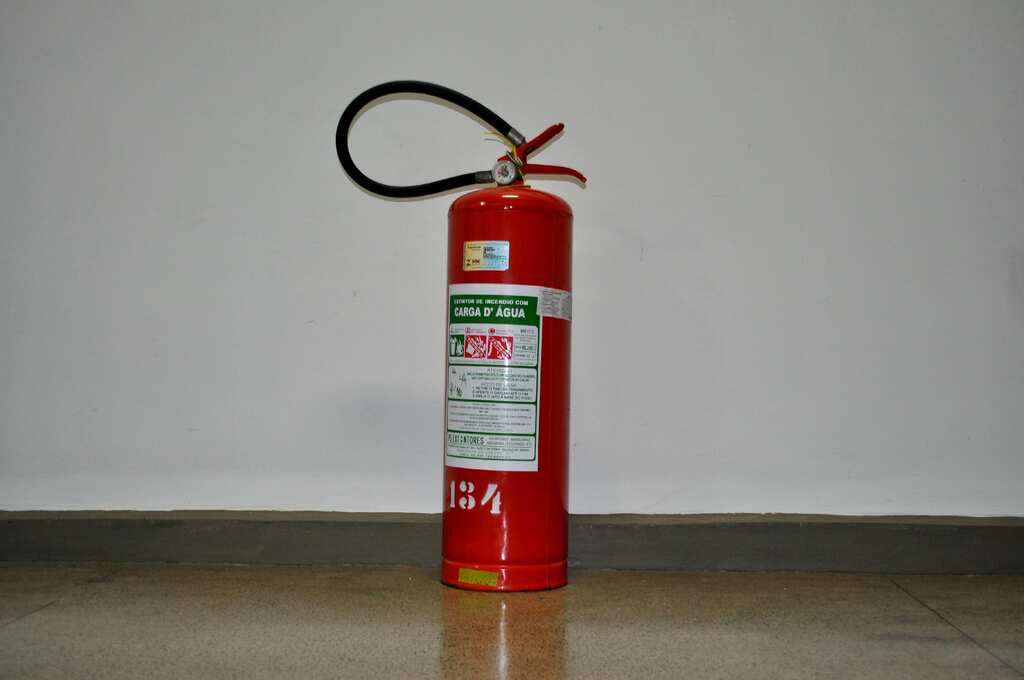
Public education and awareness are vital components of fire engineering efforts to mitigate fire risks and save lives. Fire engineers conduct workshops, seminars, and informational campaigns to educate communities about fire safety. They promote essential fire safety practices, like the proper use of fire extinguishers, creating fire escape plans, and early detection methods.
By raising awareness, they empower individuals and businesses to take proactive measures in preventing fires and responding effectively to emergencies. This outreach fosters a culture of safety and preparedness, reducing the likelihood of fire incidents and ensuring that communities are better equipped to protect themselves, their properties, and their loved ones from the devastating impacts of fires.
Research and Development
Continual research and development constitute a dynamic aspect of fire engineering, proving dedication to advancing fire safety technologies and strategies. Fire engineers engage in continuous research to explore innovative materials, detection systems, and firefighting methods. They seek to enhance fire prevention and mitigation measures by staying at the forefront of scientific and technological advancements.
This dedication to progress ensures that fire engineering practices evolve to address emerging challenges and changing building codes. By driving innovation, fire engineers contribute to saving lives and protecting property more effectively, ultimately shaping a safer and more resilient built environment for present and future generations.
Code Compliance and Regulation
Code compliance and regulation are fundamental responsibilities of fire engineers. They meticulously ensure that buildings and structures adhere to local fire safety codes and regulations, which are designed to protect lives and property. Fire engineers not only inspect existing structures but also contribute to the development and revision of these codes to reflect the latest advances in fire safety technology and standards.
Their expertise ensures that new constructions incorporate the best fire prevention and suppression measures. By upholding and enhancing regulatory standards, fire engineers play a pivotal role in creating safer communities and reducing the devastating impact of fires on individuals, businesses, and society as a whole.

Dedicated Professionals
Fire engineers are dedicated professionals who play a multifaceted role in safeguarding lives and property from the destructive force of fires. Through meticulous prevention measures, efficient emergency response planning, and advanced fire suppression techniques, they ensure preparedness and resilience. Their risk assessment, investigation, and commitment to public education bolster safety awareness and foster a culture of prevention. Continual research and code compliance work to advance the field and uphold the highest standards of fire safety. Together, these efforts make communities safer and better equipped to combat the threat of fires.


