
Latin America is in the spotlight for its promising rise in climate leadership! Nine countries have set a collective target of 70% renewable energy use by 2030, which is more than double the EU’s target of 32%.
Colombian energy minister Maria Fernanda Suarez presented the target at the United Nations Climate Action Summit (that just took place in the beginning of October), where world leaders were asked to deliver concrete proposals to combat climate change. Colombian President Iván Duque was also present.
“It’s the most ambitious goal in terms of a global region. Right now, nine countries in the region have agreed to this plan and we will continue to get more countries to be part of this goal ahead of the upcoming summit,” Suarez said. “The introduction of viable renewables, meaning wind, solar, biomass or other clean energy, is the first priority.”
Colombia has been working towards diversify its energy sector by really pushing the implementation of wind and solar technology. At the moment, over a third of the nation’s energy already comes from renewable sources like hydroelectric power. There was also news about a massive solar project recently being approved by a government agency – it’s so big it could help save Colombia two hundred million tons of carbon emissions once up and running!
The other countries involved in the pact include, Chile, Peru, Ecuador, Costa Rica, Honduras, Guatemala, Haiti, and the Dominican Republic. Panama and Brazil are undecided, and the rest of the countries are not involved. It has been a growing trend on the continent to push for renewable alternatives and this pact is a part of that. Although, some countries like Panama and Brazil are still considering whether to commit to the ambitious plan.
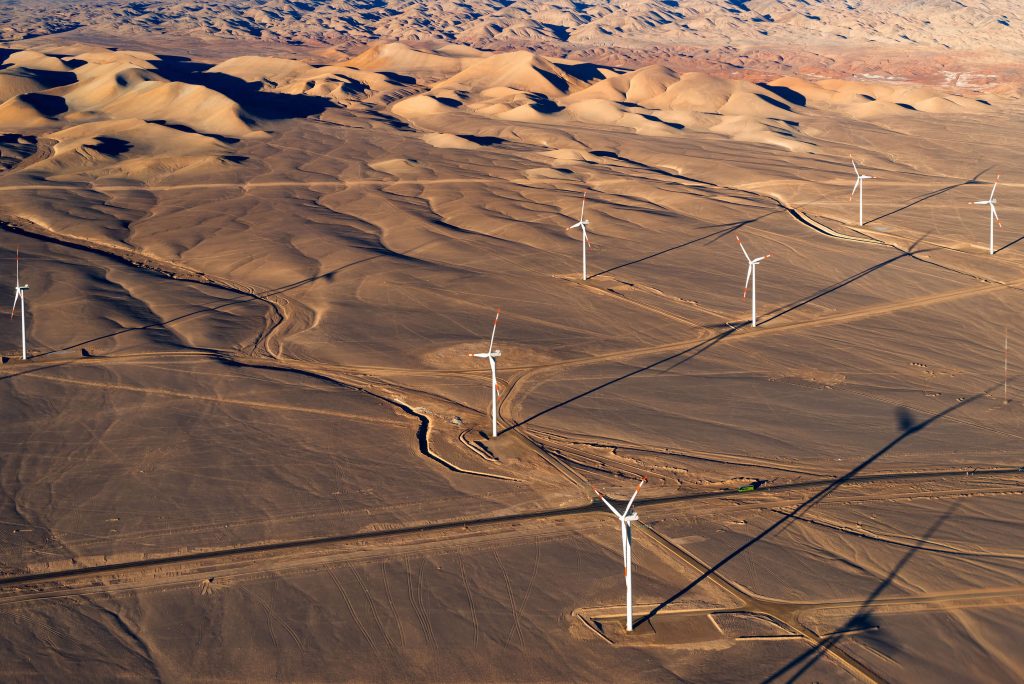
The upcoming annual UN Climate Change Conference will be hosted by Chile in December – this momentum is in preparation for that. Chile has definitely been at the forefront of combating climate change. President Sebastián Piñera has placed climate change at the top of his agenda since the start of his second term in December 2017 and significant legislative actions have taken place. Dozens of coal factories are expected to close soon to help the country reach its overall aim of carbon neutrality by 2050.
These bold leaders in Colombia and Chile are spurring initiatives, at a time where firm global leadership has largely been stalled, and inspiring the rest of Latin America to aim high. All these nations united – enthusiastically combating climate change – are creating a model for the rest of the world to follow!


