
Sustainable design aims to create solutions that are both innovative and environmentally friendly. Yet, many designers unknowingly make mistakes that can undermine these goals. Identifying these common pitfalls and implementing effective strategies can lead to more successful and impactful sustainable designs.
One frequent error is neglecting the entire lifecycle of materials, which can result in choices that seem green but ultimately have negative environmental impacts. Understanding how materials are sourced, used, and disposed of is crucial for making truly sustainable decisions.
Another common mistake involves overlooking the importance of community engagement in the design process. Engaging with the community ensures that designs meet the actual needs of users while fostering a sense of ownership and sustainability in the project. Addressing these issues will guide you toward designing spaces that are truly sustainable and beneficial for both people and the planet.
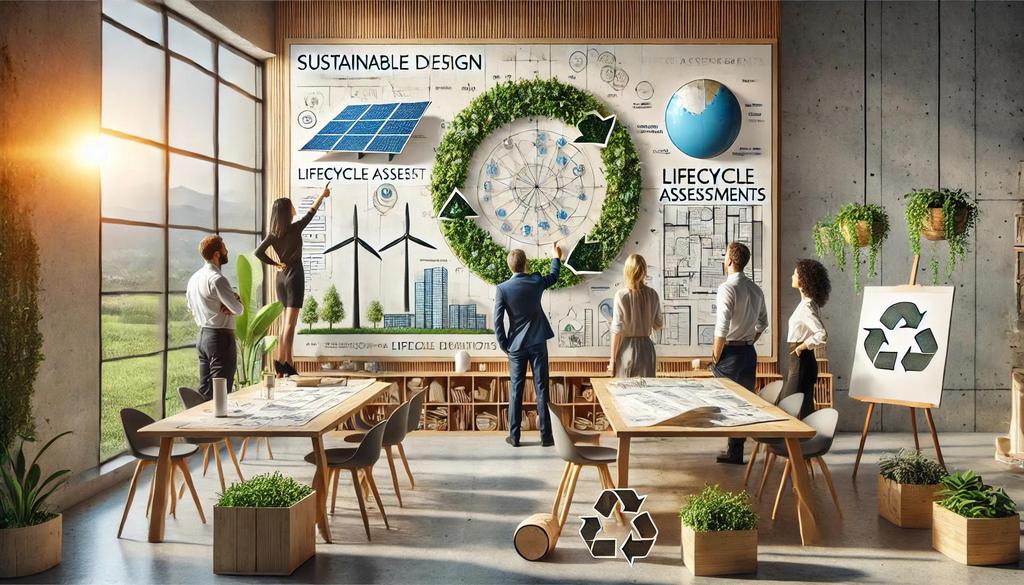
Core Principles of Sustainable Design
Sustainable design focuses on minimizing environmental impact while maximizing efficiency and effectiveness. Key principles include understanding lifecycle assessments, integrating renewable energy sources, and prioritizing energy efficiency.
Understanding Lifecycle Assessments
Lifecycle assessments (LCAs) evaluate the environmental impact of a product or building throughout its entire life. This includes extraction of raw materials, manufacturing, use, and disposal.
By analyzing these stages, you can identify areas for improvement. For instance, selecting materials with a lower environmental impact during production can enhance sustainability, like sustainably harvested teak for outdoor spaces.
Incorporating LCA findings into your design process allows for informed decisions that mitigate negative effects. This ensures that your design supports a sustainable future while meeting functionality and aesthetic requirements.
Integrating Renewable Energy Sources
Incorporating renewable energy sources is essential for reducing reliance on fossil fuels. Solar panels, wind turbines, and geothermal systems offer viable solutions for sustainable energy.
Consider your project’s location when selecting energy sources. For instance, solar energy is effective in sunny regions, while wind energy may be preferable in breezy areas.
Using these renewable sources can significantly lower energy costs and carbon emissions. Furthermore, integrating smart technology can optimize energy usage, making your design even more efficient.
Prioritizing Energy Efficiency
Energy efficiency is a critical element of sustainable design. It focuses on reducing energy consumption without sacrificing performance.
Implement strategies such as using high-quality insulation, energy-efficient windows, and LED lighting. These measures not only decrease energy usage but also contribute to long-term cost savings.
Incorporating energy-efficient appliances and systems further enhances your design. Regular energy audits can help identify areas for improvement and ensure that your design remains sustainable over time.
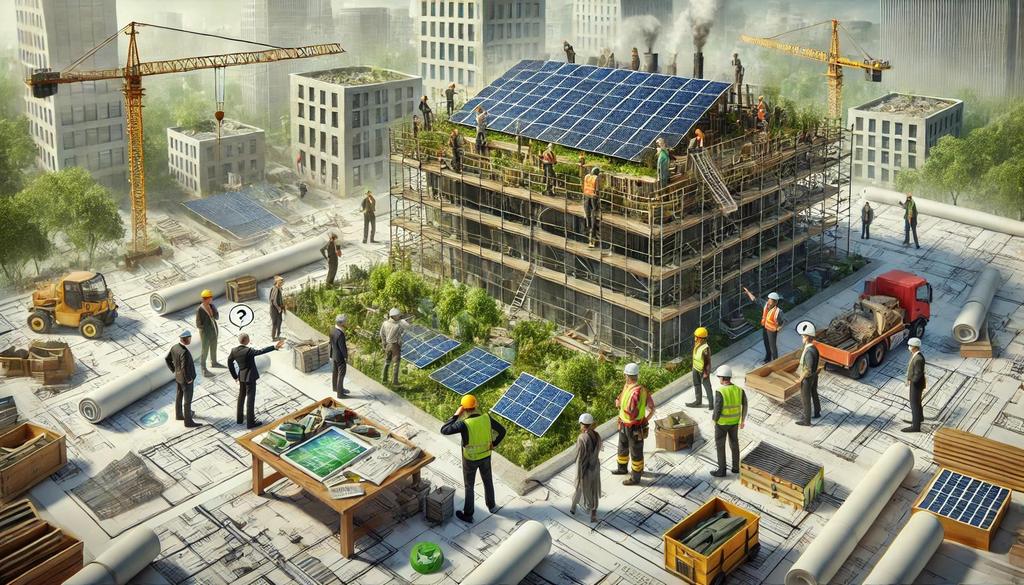
Common Pitfalls and Remedies
Sustainable design can falter when specific aspects are not adequately considered. Addressing common mistakes helps create effective and responsible designs.
Overlooking Local Resources and Context
When designing, it is crucial to consider local resources and the unique context of the area. Ignoring these factors can lead to inefficient designs that do not resonate with the environment.
Utilize materials sourced locally to reduce transportation impacts and support the regional economy.
Key considerations:
- Assess the availability of indigenous materials.
- Understand local climate conditions to optimize energy efficiency.
- Engage with community stakeholders for valuable insights.
Incorporating local context into design significantly enhances both sustainability and relevance. This practice fosters a deeper connection between the design and its surrounding environment. By understanding and utilizing local resources, designers can create spaces that are not only functional but also environmentally supportive. This approach contributes to a cohesive relationship with the ecosystem, ensuring that design choices align with the specific needs and characteristics of the area. Ultimately, prioritizing local context leads to more effective and meaningful sustainable design solutions.
Neglecting User Behavior and Engagement
Sustainable design must account for how users will interact with the space. Neglecting user behavior can undermine sustainability efforts and default to conventional practices.
Incorporate user feedback early in the design process. Utilize surveys and participatory design workshops to understand their needs and habits.
Control strategies:
- Educate users on energy-efficient practices within the space.
- Design adaptable spaces to accommodate varying activities.
- Foster user engagement through cooperative maintenance initiatives.
By ensuring the design aligns with user behavior, you can enhance long-term sustainability and user satisfaction.
Misapplying Green Technologies
Green technologies provide powerful tools for sustainable design, but improper application can lead to inefficiency and wasted resources. Misguided installations or over-reliance on technology can detract from overall effectiveness.
Conduct thorough research on technology compatibility with the specific site and user needs.
Best practices:
- Integrate renewable energy systems that match local climate conditions.
- Evaluate the lifecycle impacts of selected technologies.
- Prioritize simplicity and usability to encourage adoption.
By strategically applying green technologies, you can create a more effective and sustainable design that truly meets its intended goals.
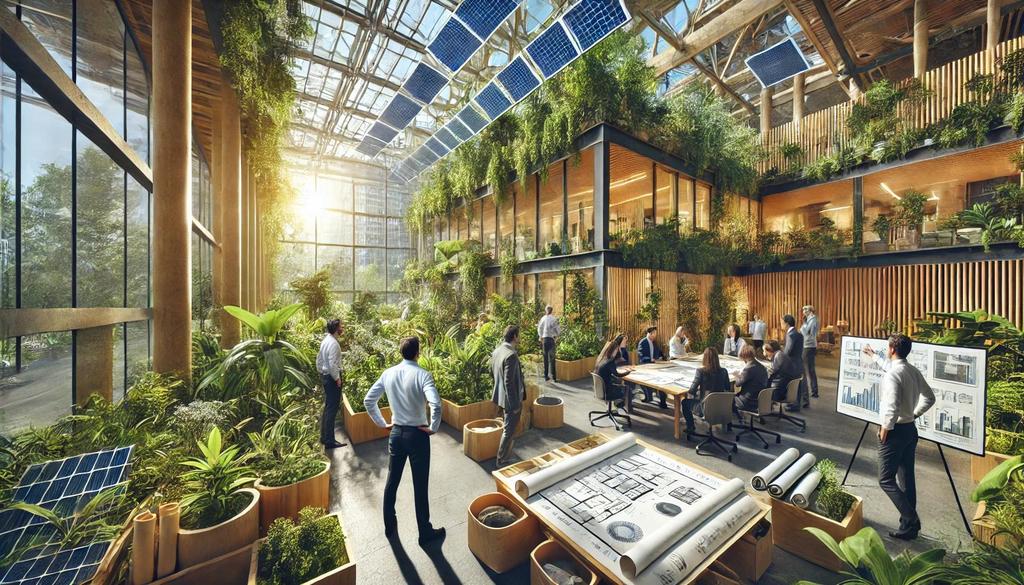
Embracing Effective Sustainable Design Practices
In summary, sustainable design holds the potential to create innovative solutions that are both environmentally friendly and beneficial for communities. However, the path to success is not without its challenges. By acknowledging common mistakes in the design process and implementing effective strategies, designers can enhance the sustainability and functionality of their projects.
A critical takeaway from this discussion is the importance of considering the lifecycle of materials. Designers must conduct thorough assessments that evaluate how materials are sourced, utilized, and disposed of throughout the project’s lifespan. This holistic approach mitigates negative environmental impacts and fosters long-term sustainability.
Engaging the community in the design process is another pivotal aspect. Understanding the needs and behaviors of users ensures that designs resonate with the audience and promote a shared sense of ownership. When people feel connected to their environment, they are more likely to embrace sustainable practices.
Additionally, integrating renewable energy sources and enhancing energy efficiency must be at the forefront of sustainable design. By utilizing locally available resources and adopting smart technologies, designers can create spaces significantly reducing carbon emissions and energy costs.
Finally, careful consideration of local context and proper application of green technologies will optimize the effectiveness of sustainable designs. By following these comprehensive strategies and remaining adaptable, designers can elevate their projects to meet the demands of sustainability while enriching the lives of their users.
By prioritizing these principles and maintaining a focus on genuine environmental stewardship, we can collectively move toward a future where sustainable design is the norm, not the exception. Embrace these solutions and join the movement to create spaces that are not only innovative and beautiful but also deeply respectful of our planet.


