
International travel is experiencing a resurgence following the pandemic. Travelers are increasingly concerned about safety and security during their journeys. Addressing these pressing issues is Machine Readable Zone (MRZ) software, a groundbreaking technology that has significantly changed the realm of travel documentation and border control. This innovative solution enhances the efficiency and accuracy of identity verification, providing a more secure travel experience for passengers and facilitating smoother processing at borders.
Evolution of MRZ Technology
The journey of MRZ technology began in the 1980s when the International Civil Aviation Organization (ICAO) recognized the need for a standardized, machine-readable format for travel documents. This initiative aimed to streamline passenger processing and enhance security measures at border checkpoints worldwide.
As technology advanced, so did MRZ software. Early systems could only read basic information, but modern MRZ software can process complex data from various travel documents, including passports, visas, and identity cards. Key milestones in this evolution include:
- Introduction of 2D barcodes in the 1990s
- Development of biometric passports in the early 2000s
- Integration of RFID technology for contactless reading
- Implementation of advanced encryption methods for data protection
These innovations have significantly improved the accuracy and speed of document verification, marking a new era in travel security.
Enhancing Security Measures
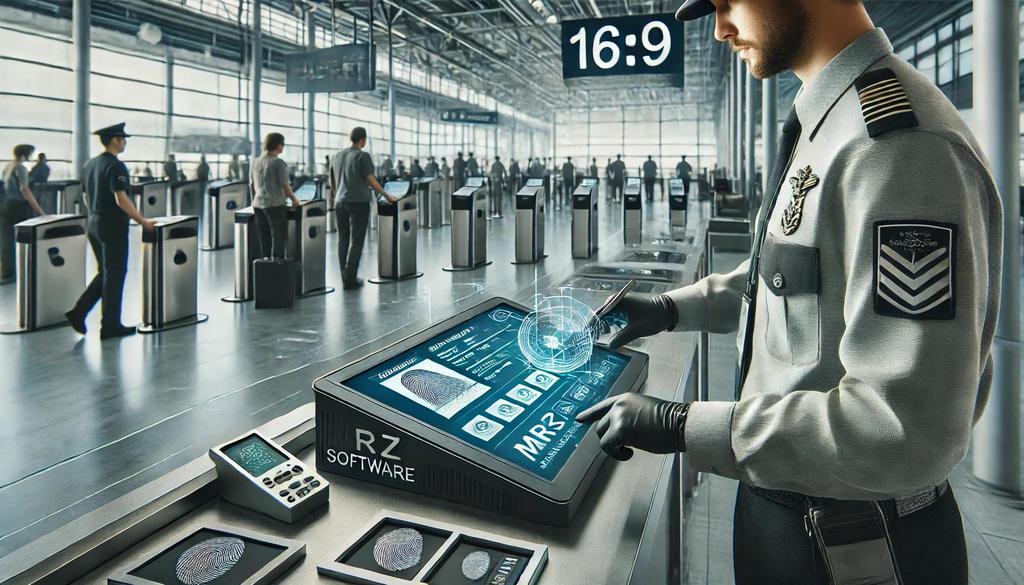
MRZ software plays a crucial role in cross-border safety and security and assists border officers with identification and verification. By quickly and accurately reading the machine-readable zone on travel documents, this technology enables border control officers to:
- Verify the authenticity of documents
- Cross-reference traveler information with international databases
- Detect discrepancies or anomalies in travel documentation
One of the most significant advantages of MRZ software is its ability to detect forged or tampered documents. Advanced algorithms can identify inconsistencies in the MRZ data that might be invisible to the naked eye, such as altered characters or mismatched information.
Integration with Border Control Systems
The true strength of Machine Readable Zone (MRZ) software resides in its ability to seamlessly integrate with existing border control infrastructure. This software works in conjunction with various border security measures, including fingerprint and facial recognition scanners, to provide comprehensive screening for potential threats.
Numerous countries have successfully adopted MRZ software within their border control systems, achieving remarkable outcomes. For example, the United States’ Electronic System for Travel Authorization (ESTA) program utilizes MRZ data for the pre-screening of travelers. This implementation has significantly decreased processing times at airports. Likewise, the European Union’s Schengen Information System (SIS) employs MRZ technology to ensure efficient border crossings while upholding rigorous security standards.
Privacy and Ethical Considerations
The widespread use of border surveillance and MRZ software raises concerns about the ethical implementation thereof. Privacy concerns related to personal data collected by MRZ software could lead to misuse or unauthorized access if not protected properly.
To address these concerns, many countries have implemented strict data protection regulations. For example, the European Union’s General Data Protection Regulation (GDPR) sets guidelines for the collection, storage, and use of personal data, including information gathered through MRZ software.
Balancing security needs with individual privacy rights remains an ongoing challenge. Policymakers will continue to ensure that travelers’ data is handled with transparency, stored securely, and in line with the law and regulations.
Future Implications of MRZ Technology
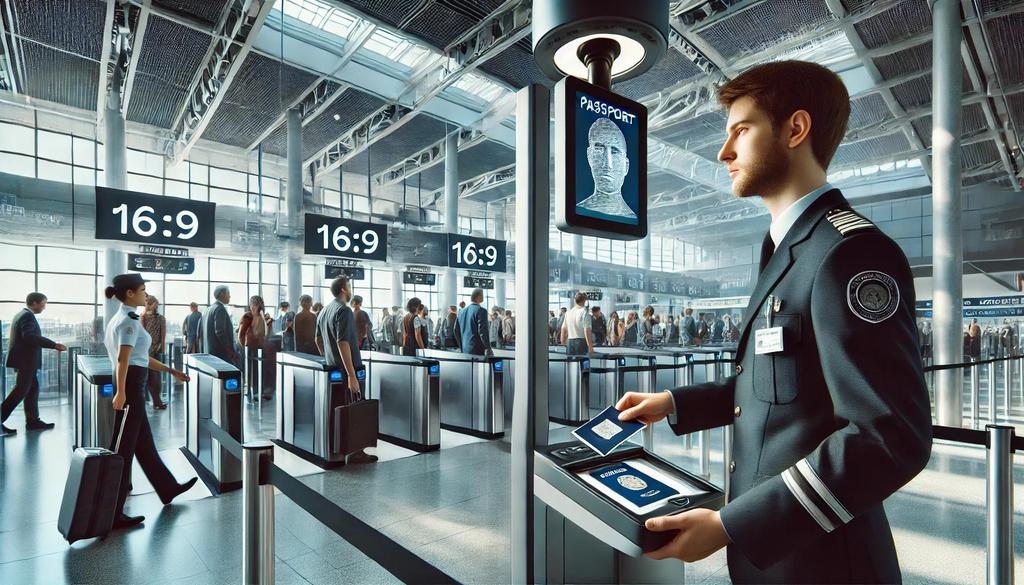
As we look to the future, several emerging trends in MRZ technology promise to further revolutionize travel security:
- Artificial intelligence and machine learning: These technologies could enhance the ability of MRZ software to detect sophisticated forgeries and predict potential security threats.
- Blockchain integration: Implementing blockchain technology could provide a more secure and transparent way of storing and sharing MRZ data across borders.
- Mobile MRZ readers: The development of smartphone-based MRZ readers could expand the use of this technology beyond official border checkpoints, potentially improving security in various public spaces.
- Standardization of global travel documents: Efforts to create a universally accepted, highly secure travel document format could further streamline international travel while enhancing security measures.
As these technologies develop, policymakers must stay abreast of an ever-changing environment. Future policies and laws must address the changes in MRZ systems to ensure that data is kept safe and secure and dealt with ethically.
Navigating the Future of Travel Security
The efficiency and transparency of Machine Readable Zone (MRZ) software are critical. It is essential to achieve a balance between traveler safety, security, and data privacy to enhance travel accessibility and security.
As the landscape of travel safety continues to evolve, MRZ software will also adapt rapidly. Collaborative efforts from transparent software developers will play a vital role in safeguarding international travel and the data collected by MRZ software. This approach will promote secure global mobility and instill confidence in travelers worldwide.
The implementation of Machine Readable Zone (MRZ) software marks a significant advancement in international travel security. Ongoing innovations and a commitment to transparency will empower travelers with enhanced safety and streamlined experiences. As the travel industry evolves, embracing emerging technologies while prioritizing ethical considerations will be essential for fostering trust and ensuring a secure global travel environment.


