
The enamel (the outer layer of teeth), which is made of Hydroxyapatite (HAP), gives teeth a white and translucent appearance. However, teeth are susceptible to colour changes – yellowing – due to one’s diet, tooth decay, smoking, trauma, health, and oral care practices. Smoking and consuming pigmented foods such as red wine, tea, coffee, fruit juices, coloured and sweetened beverages, and soy sauce, among other foods, increases the yellowing of your teeth.
However, even when you take care of your teeth well and avoid colouring foods and smoking, your teeth will inevitably turn yellow as you age. The enamel decays gradually with age, revealing the yellow-coloured dentin layer. Consequently, tooth whitening has become one of the most popular dental procedures people seek as they seek to reverse the yellowing effect of their teeth. Herein, we will explore some of the latest technologies teeth whitening clinics use.
Laser Teeth Whitening
Also known as power bleaching, laser teeth whitening uses a combination of whitening gel containing bleaching agents such as carbamide peroxide or hydrogen peroxide and laser light to get rid of the stain and whiten your teeth. This non-invasive whitening technique is typically fast and produces dramatic results, often requiring only one session to achieve the desired results.
The whitening gel contains powerful bleaches, which require an experienced dentist to use it appropriately. The gel can cause tooth sensitivity and gum damage if used incorrectly. Precautions, including dental dams, are important safety precautions required for patient safety. As such, only seek laser whitening services from licensed clinics.
How Laser Teeth Whitening Procedures are Achieved
To perform laser teeth whitening, the dentist applies the whitening gel to each tooth. Then, a laser light is shone on the teeth to activate the bleaching gel. The heat evaporates the active ingredients along with the stains when the laser is shone on the gel-covered teeth. The dentist then shines the laser until the desired shade of white is achieved.
LED accelerated whitening technology is a more advanced version of laser teeth whitening. Rather than using lasers as the source of light, this procedure uses LED light to activate the whitening gel. The advantage of using LED light rather than lasers is that the light system does not produce much heat, giving patients a more comfortable experience.

Mouthpiece Tray
Mouthpiece tray teeth whitening technology is a dentist-supervised solution used at home. The process of whitening teeth with this technology involves the dentist taking a dental impression of their patient to create a bespoke mouthpiece tray. The custom mouthpiece fits perfectly around your teeth, maximising the contact between the whitening gel and the teeth. The tight fit also effectively reduces the whitening gel’s spillage onto your gums. It guards patients against potential side effects of teeth whitening.
After the dentist applies the whitening gel to the tray, they provide specific instructions to the patient on how, when, and for how long to wear it. Some patients are advised to wear the tray for 30 minutes each day. Others may need to wear it for a longer duration, even multiple times a day. The length of the treatment period can vary. Some patients might achieve their desired results in 30 days, while others may need a longer time frame. The duration depends on the individual’s whitening goals and their overall dental health.
Customised Whitening Using Artificial Intelligence
In addition to traditional tooth whitening techniques, an increasing number of dentists are turning to advanced software to achieve optimal results and enhance patient comfort. Many dentists are now using AI-powered software to offer personalised dental services. For instance, the NatruSmile Simulator is an AI-powered software that dentists use to preview the different shades of white on a patient’s smile. The AI software allows dentists to develop a customised teeth whitening regimen to achieve the desired results.
Another example of AI-powered software serving the teeth whitening niche is Pearlii. The software has been trained to identify issues that cause teeth discolouration and staining. The app allows patients to take five photos of their teeth, allowing the software to identify issues affecting them. Notably, the app recommends customised teeth whitening therapy, which they can undertake in the comfort of their home.
Moreover, dentists are also using AI software to develop bespoke teeth whitening fit trays for their patients. The AI software considers the patient’s teeth and gums to create professional-grade bespoke fit trays.
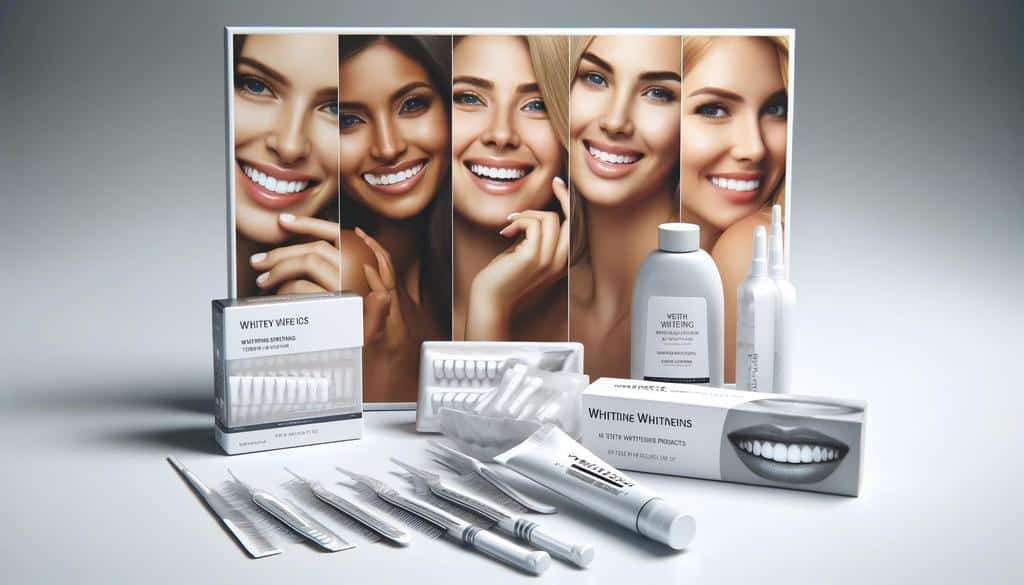
Over-the-Counter Whitening Strips, Gels, and Pens
Dentists do not rely on specialised teeth-whitening technologies and techniques alone. They also prescribe at-home teeth-whitening solutions to supplement their professional whitening efforts. Some of the best at-home solutions include teeth-whitening pens, strips, gels, and rinses.
These over-the-counter solutions may contain a formula of advanced abrasives, nanoparticles, and/or diluted hydrogen peroxide. The abrasives, nanoparticles, and chemical agents attack the stains without causing wear and tear on your teeth. They’re essential tools for teeth whitening cleaning when you want to finish the whitening process without using specialised tools and techniques.
Tooth Whitening Toothpaste Infused with Nano Particles
Another over-the-counter teeth whitening solution that dentists recommend is nanoparticle-infused toothpaste. This nano-toothpaste is often prescribed to complement the treatments provided in dental practices. The nanoparticles in these advanced toothpastes offer several benefits. They help prevent dental decay by increasing teeth resistance to cavities and aid in the remineralisation of the teeth.
For teeth whitening purposes, some of the common whitening agents include carbon nanotubes, charcoal, TiO2, and HA. These nanoparticles allow dental patients to retain the whitening effects long after specialised procedures are carried out. Furthermore, they reduce hypersensitivity, close micropores, possess antibacterial properties, and, importantly, brighten teeth and enhance their appearance. As such, patients can maintain the new aesthetics for longer.

Future of Teeth Whitening
Integrating advanced technologies such as lasers, LED lights, AI-powered systems, and nanoparticles into teeth whitening practices marks a new era in dental care. These innovations significantly improve the effectiveness of whitening treatments while ensuring patient comfort and safety. By embracing these modern advancements, patients can achieve lasting, brighter smiles. This evolution benefits dental health professionals and their patients, paving the way for a promising future in dental care. Next time you explore teeth whitening options, remember that you’re engaging with the cutting-edge of dental science.


