
Improving patient outcomes in acute care settings is essential to enhancing the overall health system’s efficiency and effectiveness. With the increasing complexities in patient needs and healthcare technologies, acute care facilities are constantly under pressure to adapt and improve. These improvements are crucial not only for patient recovery and safety but also for the sustainability of healthcare systems globally. In this article, practical and innovative strategies are revealed that can significantly improve patient outcomes in these critical care environments.

Implementing Evidence-Based Practices
Utilizing evidence-based practices is key to enhancing patient outcomes in any medical setting, especially in acute care. This approach involves using the best available research and data to guide clinical decisions and practices. By adopting strategies and treatments proven effective through rigorous studies, healthcare providers can minimize errors and improve the quality of care. Furthermore, evidence-based guidelines help standardize the care process, reducing variability and improving predictability in patient responses to treatment.
Focusing on Staff Training
Staff training is foundational in ensuring high-quality acute care. Continuous education and training updates help medical professionals stay abreast of the latest medical practices and technologies. This not only boosts their confidence but also their ability to handle complex situations more effectively. Simulation-based training methods, for example, can prepare staff for a range of potential scenarios they might face, which is critical in a high-stakes environment like acute care. Hospitals that invest in ongoing professional development for their staff see significant improvements in patient outcomes.
Acute care nurse practitioner programs play an integral role in elevating patient care standards. These programs equip nurses with advanced clinical skills and a deeper understanding of how to manage complex patient cases effectively. Graduates are trained to make quick, informed decisions that can be critical in life-saving situations. They also learn how to work effectively within interdisciplinary teams, ensuring comprehensive patient care.

Improving Patient Monitoring
Advancements in patient monitoring technology have revolutionized how healthcare providers manage acute care patients. Real-time monitoring systems allow for constant observation of vital signs, enabling immediate responses to any adverse changes in a patient’s condition. This level of vigilance is crucial in preventing complications and ensuring swift interventions. In addition, the integration of artificial intelligence with monitoring systems can predict potential declines in patient health before they become critical, allowing preemptive action to be taken. Effective monitoring is a linchpin in improving patient outcomes, as it ensures that no significant changes go unnoticed.
Fostering Multidisciplinary Collaboration
A multidisciplinary approach is vital for comprehensive patient care, especially in acute settings where patients may have complex needs. Collaboration across a variety of specialties ensures that all aspects of a patient’s health are considered. Teams that include physicians, nurses, specialists, and other healthcare professionals can pool their expertise to develop more effective treatment plans. Regular communication and coordination meetings can help align all members of the care team, ensuring consistent and cohesive care delivery.
Streamlining Care Coordination
Effective coordination of care is critical in acute care settings, where multiple treatments and interventions may be administered simultaneously. Streamlining communication channels and care processes can significantly reduce the risk of errors. Implementing centralized systems for sharing patient information ensures that every caregiver has access to the latest data, leading to better-informed decisions and more coordinated care. Additionally, clear protocols for the handover of care responsibilities can prevent information loss and ensure continuity of care, which is essential for patient recovery and safety.

Patient-Centered Care
Patient-centered care is pivotal in improving outcomes in acute care settings. This approach involves viewing care through the patient’s eyes and tailoring it to fit individual preferences, needs, and values. Encouraging patients to participate in their care decisions can lead to better adherence to treatment plans and increase patient satisfaction. Training staff to employ a patient-centered mindset ensures that care plans are not only medically sound but also holistically cater to patients’ psychological and social health. Ultimately, when patients feel respected and involved in their care processes, the likelihood of positive outcomes increases significantly.
Utilizing Data and Analytics
Data and analytics are transforming acute care by enabling more precise and informed decision-making. Leveraging data helps identify patterns, predict outcomes, and streamline care processes, leading to better resource management and patient care. For instance, predictive analytics can forecast patient deterioration and prompt early interventions. Health informatics systems can also help track patient progress over time, providing valuable insights that drive continuous improvement in care practices.
Working on Infection Control
Effective infection control is critical to preventing complications and improving patient outcomes in acute care. Implementing strict protocols for hygiene, sterilization, and patient isolation when necessary helps minimize the risk of infections. Regular training sessions for all healthcare staff on the latest infection control practices are essential to maintain high standards of cleanliness and care. Furthermore, monitoring and auditing practices ensure that infection control measures are adhered to consistently. By prioritizing infection prevention, healthcare facilities can significantly reduce the incidence of hospital-acquired infections and associated complications.
Incorporating Patient and Family Education
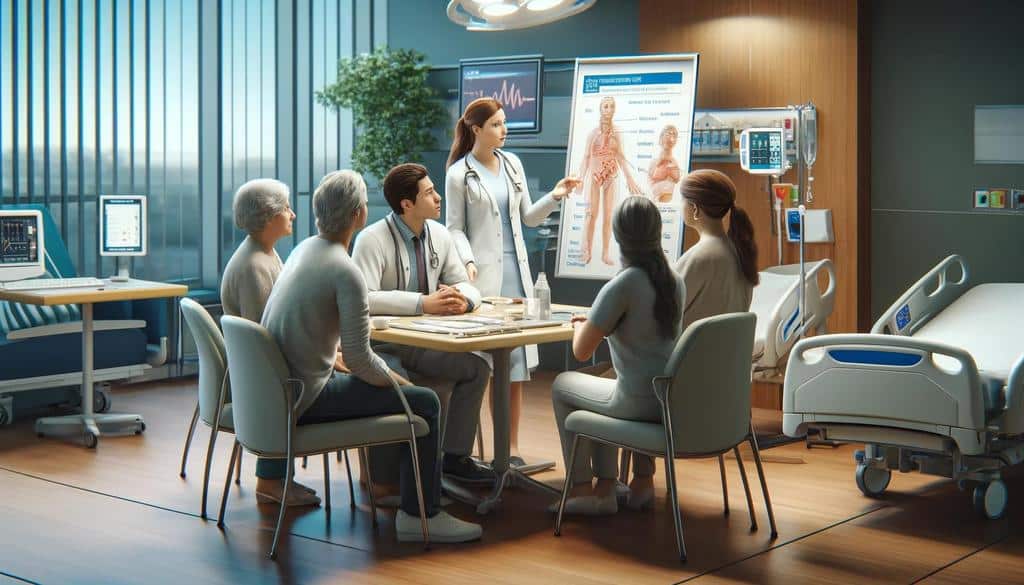
Educating patients and their families about care procedures, disease management, and healthy practices empowers them and enhances care continuity. Clear communication about the expectations and potential complications can prepare patients and caregivers for post-discharge care, reducing readmission rates. Providing written instructions, educational materials, and access to support groups are effective ways to ensure that education extends beyond the hospital stay.
Expanding Access to Specialist Care
Access to specialist care is indispensable in acute settings, especially for patients with complex conditions that require expert intervention. Expanding this access can be achieved through telemedicine, which allows patients in remote or underserved areas to consult specialists without the need for travel. Additionally, integrating specialists into acute care teams and ensuring they are available for consultation improves diagnosis accuracy and treatment effectiveness.
Promoting Post-Acute Care Follow-Up
Post-acute care follow-up is essential to ensure that the recovery process continues smoothly after discharge. Establishing a clear follow-up plan with scheduled check-ups and easy access to healthcare providers can prevent complications and address any arising issues promptly. Systems that automatically schedule follow-up appointments and send reminders to patients can improve compliance with post-discharge care. Moreover, equipping patients with tools to monitor their own health and maintain communication with their care providers can significantly enhance long-term outcomes.

Improvement for Better Acute Care Outcomes
To truly improve patient outcomes in acute care, a commitment to continuous improvement is necessary. This commitment involves not only adopting the strategies discussed but also fostering an environment that encourages innovation and learning. It requires healthcare facilities to be agile, continually assessing and refining their practices based on patient feedback, staff input, and evolving medical research. By embracing these approaches, healthcare providers can ensure that they are delivering care that is not only effective but also compassionate and responsive to the needs of those they serve. Each step taken is a move toward more reliable, efficient, and patient-focused care, ultimately leading to better health outcomes for all patients.


