
Being involved in a car accident can be a traumatic and overwhelming experience. In addition to dealing with any physical injuries or property damage, you may also find yourself entangled in the legal process. Understanding what to expect and how to navigate the legal aftermath of a car accident is crucial. Here are seven key points to keep in mind:
Seeking Medical Attention
Personal health and well-being should be your top priority after a car accident. Even if you believe your injuries are minor, seeking medical attention as soon as possible is essential. Some injuries may not be immediately apparent and could worsen over time.
By seeing a medical professional, you ensure that your injuries are properly evaluated and treated. They will conduct a thorough examination, including diagnostic tests or imaging, to identify any internal injuries or conditions that may not be visible to the naked eye.
Obtaining medical documentation will be vital in legal proceedings or insurance claims. These records will prove your injuries and the associated medical expenses, helping you seek appropriate compensation.

Report the Accident
It is important to report the accident to the appropriate authorities, such as the police, as soon as possible. Contacting the police will initiate an official record of the incident, which can serve as valuable evidence in your case. When reporting the accident, provide accurate and detailed information about what happened, including the collision’s date, time, and location.
Describe the sequence of events leading up to the accident and provide any information about the other parties involved. If there were witnesses to the accident, make sure to provide their contact information as well.
The police will typically arrive at the scene to investigate and gather their evidence, which may include taking photographs, interviewing witnesses, and creating a formal accident report.
Consult an Attorney
If you’ve been through a serious accident and the responsibility for it is unclear, it’s crucial to reach out to a personal injury attorney for guidance. According to legal representatives from Bailey Johnson & Peck, P.C., legal experts emphasize the importance of an experienced attorney who can offer valuable advice and support throughout the legal process. They will thoroughly analyze the specifics of your case, evaluate the strength of your claim, and recommend the best steps to take. By investigating the incident, collecting evidence, and interviewing witnesses, they can help determine who is liable.
Moreover, an attorney can negotiate with insurance companies to ensure you receive a fair settlement. They will also aid in accurately assessing the full extent of your damages, encompassing medical costs, lost wages, and pain and suffering, in order to seek appropriate compensation. Your attorney will skillfully guide you through the intricate legal procedures, guaranteeing that all necessary documents are filed within the required timeframes and represent your interests during settlement talks or court proceedings.
Gather Evidence
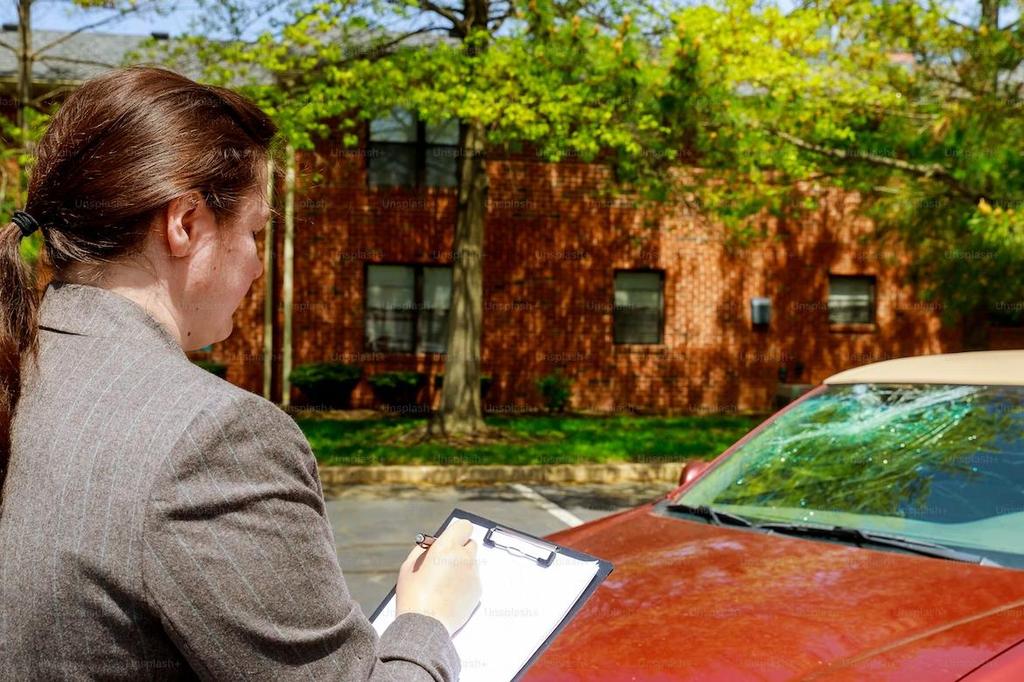
Collecting evidence is crucial to support your claim and establish liability. As soon as it is safe to do so, take photographs of the accident scene from various angles, including any damage to vehicles and property, as well as any visible injuries. These photographs can serve as visual evidence and help recreate the accident scene. Be thorough in capturing the extent of the damage, the positions of the vehicles involved, any skid marks or debris on the road, and any relevant road signs or traffic signals.
Obtain contact information from witnesses who may have observed the accident. Their statements or testimonies can provide valuable insights into what occurred and help corroborate your version of events. Retaining their names, phone numbers, addresses, and a brief description of what they saw is essential. Keep records of any medical bills, receipts, and other relevant documents related to the accident, as these will help you build a strong case by demonstrating the financial impact of the accident.
Notify Your Insurance Company
Taking immediate action by informing your insurance company about the accident is crucial. Typically, insurance policies have specific timeframes within which accidents must be reported. It’s important to get in touch with your insurance company as soon as possible and provide them with precise information about the incident. To ensure a smooth claims process, be cooperative and provide any necessary documentation or information that they may request.
Your insurance company will assign a claims adjuster to your case who will carefully examine the accident’s details, evaluate the damage to your vehicle, and assess your injuries. They may request additional documentation or evidence to support your claims, such as medical records or repair estimates. Remember that insurance companies typically conduct their investigation into the car accident, so be prepared to provide a statement and cooperate with their inquiries.

Understand Comparative Negligence Laws
In some jurisdictions, the concept of comparative negligence applies. Comparative negligence means that even if you are partially at fault for the accident, you may still be eligible to recover damages. However, the compensation you receive may be reduced based on your level of fault.
Understanding how comparative negligence laws apply in your specific case is crucial. An attorney experienced in personal injury law can assess the circumstances of the accident and advise you on how these laws might affect your claim. They will help you understand your rights and ensure you receive fair compensation based on the degree of fault assigned to each party involved.
For example, if you are found to be 20% at fault for the accident, and the other party is found to be 80% at fault, your total compensation may be reduced by 20%.
Be Mindful of Statutes of Limitations
Statutes of limitations establish the timeframe within which legal action must be initiated. It is important to be aware of these deadlines, as failing to file a lawsuit within the prescribed time limit can result in losing your right to seek compensation. The statutes of limitations for personal injury cases can vary depending on the jurisdiction and the nature of the accident.
Consulting with an attorney as soon as possible after the accident is crucial to ensure that you meet all necessary deadlines and preserve your legal rights. An attorney will be familiar with the applicable statutes of limitations in your area and will guide you through the process accordingly. They will ensure that all required legal documents are filed within the specified timeframes, allowing you to pursue your claim effectively.
Conclusion
Dealing with the legal aftermath of a car accident requires a careful and informed approach. By seeking immediate medical attention, reporting the accident, gathering thorough evidence, notifying your insurance company, consulting an experienced attorney, understanding comparative negligence laws, and being mindful of statutes of limitations, you can navigate the legal process with greater confidence. Remember to prioritize your well-being and seek professional guidance to protect your rights and interests.


