
Child abuse is a heartbreaking reality affecting millions of children worldwide. Surviving such trauma can have long-lasting effects on a person’s life, impacting their emotional, psychological, and social well-being. In this article, we will explore several ways child abuse can influence individuals and shed light on their challenges as they navigate adulthood.
Emotional Scars and Trust Issues
Child abuse often leaves deep emotional scars that can persist into adulthood. Survivors may experience intense feelings of worthlessness, guilt, shame, and fear as a result of the abuse they endured. The betrayal they experience from trusted individuals can severely impact their ability to trust others, particularly authority figures or intimate partners.
These trust issues can make it difficult for survivors to form healthy relationships and hinder their emotional growth. They may find it challenging to believe in the genuine intentions of others, always anticipating betrayal or harm.

Legal Issues and Seeking Justice
Child abuse can also give rise to legal issues, as survivors may choose to seek justice and hold their abusers accountable for their actions. The legal process can be complex and emotionally challenging, requiring survivors to recount their traumatic experiences in a court of law and to find a sexual abuse victim representative or a domestic abuse lawyer. Pursuing legal action can offer a sense of validation and closure for survivors, as well as the opportunity to prevent further harm to themselves and others.
However, the legal system itself can be daunting and retraumatizing, necessitating the support of legal professionals and victim advocacy organizations to navigate through the process. Survivors must be aware of their rights and the available legal resources to make informed decisions about pursuing legal action.
Legal proceedings can also have an impact on the survivor’s life outside of the courtroom. The legal process may require survivors to disclose their abuse to family members, friends, and employers, potentially leading to strained relationships or workplace challenges. Survivors need to have a strong support network in place, including therapists, support groups, and loved ones, who can provide emotional support and guidance throughout the legal journey.
Low Self-Esteem and Self-Worth
Child abuse can profoundly impact a survivor’s self-esteem and self-worth. Constant criticism, humiliation, and neglect can profoundly affect their self-perception. Survivors may internalize the negative messages they received during their abuse, leading to a distorted self-image. They may struggle with feelings of inadequacy, constantly doubting their abilities and worth.
Building healthy self-esteem requires time, support, and often professional therapy. It involves challenging negative self-beliefs and cultivating self-compassion and self-acceptance.
Mental Health Challenges
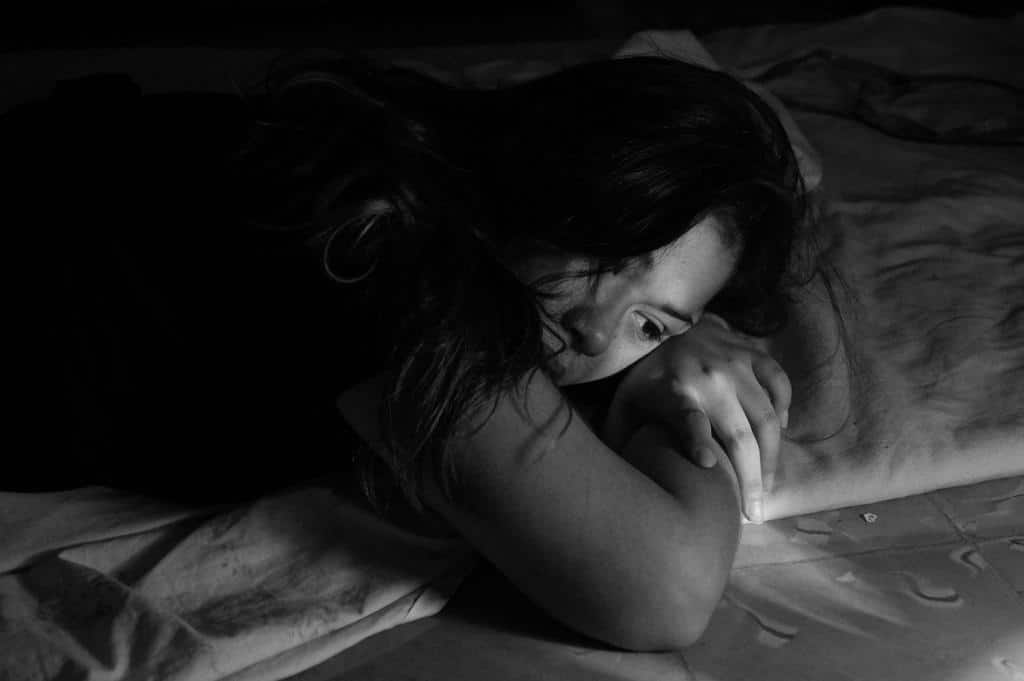
Survivors of child abuse are at a higher risk of developing mental health issues such as depression, anxiety disorders, post-traumatic stress disorder (PTSD), and substance abuse problems. The trauma endured during childhood can disrupt normal brain development, leaving survivors vulnerable to these conditions. They may experience intrusive memories, nightmares, flashbacks, and emotional numbness.
Seeking professional help and engaging in therapy can be crucial in managing and healing these mental health challenges. Therapy can provide survivors with coping mechanisms, help them process traumatic memories, and restore a sense of safety and control in their lives.
Difficulty with Intimacy and Vulnerability
Child abuse can create barriers to intimacy and vulnerability in adult relationships. Survivors may struggle with establishing and maintaining healthy connections due to the fear of being hurt or re-traumatized. The abuse they endured may have shattered their trust in others, making it challenging to open up emotionally.
Survivors may fear rejection or the potential for abuse, causing them to distance themselves from intimate relationships. Understanding these challenges and engaging in therapy can help survivors navigate intimacy in a safe and supportive manner. Therapists can guide building trust, setting boundaries, and fostering healthy communication skills.
Impaired Social Functioning
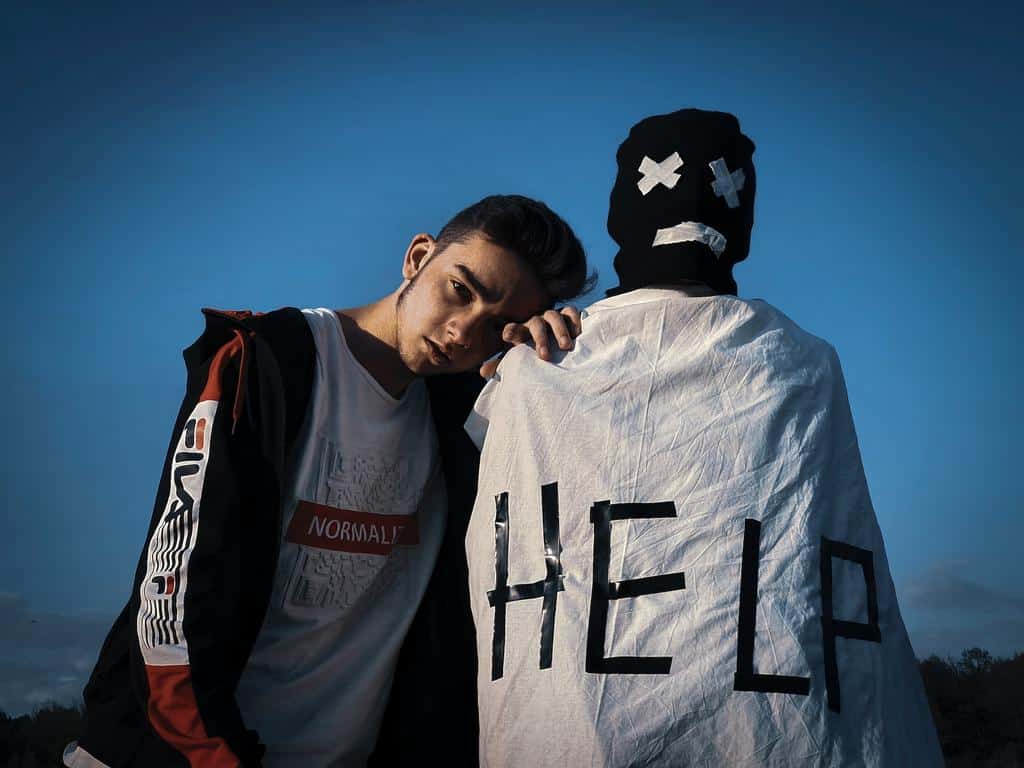
Child abuse can hinder a survivor’s ability to socialize and form healthy relationships. Survivors may experience difficulties trusting others, making it challenging to build a support network. They may struggle with social anxiety, fearing judgment or ridicule from others. Additionally, survivors may have difficulty setting boundaries, leading to exploitative or unhealthy relationships.
Isolation and a lack of social support can further exacerbate their emotional distress. Cultivating healthy social skills, seeking out supportive communities, and engaging in therapy can help survivors overcome these obstacles. Therapy can assist in developing assertiveness, healthy communication, and trust-building skills.
Impact on Academic and Professional Success
The effects of child abuse can extend into the academic and professional realms of a survivor’s life. The emotional and psychological burdens they carry may hinder their concentration, motivation, and overall performance in educational or professional settings.
Survivors may struggle with self-discipline, as they may have internalized negative messages and self-doubt. They may battle imposter syndrome, feeling undeserving of success or fear being exposed as inadequate. Seeking therapy, engaging in self-care practices, and setting achievable goals can help survivors thrive academically and professionally. Therapists can assist in building resilience, managing anxiety, and fostering a positive self-image.

Breaking the Cycle
One significant challenge for survivors of child abuse is the fear of perpetuating the cycle of abuse. While being a victim does not automatically make one an abuser, the trauma experienced can increase the risk. Survivors may have learned harmful patterns of behavior and struggle with anger, self-control, or parenting skills.
Breaking this cycle requires awareness, education, and a commitment to healing. Survivors can seek therapy, support groups, and educational resources to learn healthy parenting skills, understand their triggers, and work towards creating a safe and nurturing environment for themselves and their future families. Breaking the cycle is a courageous step towards empowering oneself and creating positive change.
Conclusion
Child abuse is a traumatic experience that can have far-reaching consequences on a survivor’s life. The effects can manifest in various ways, including emotional scars, trust issues, low self-esteem, mental health challenges, difficulties with intimacy and vulnerability, impaired social functioning, and impacts on academic and professional success.
However, it is important to remember that healing and growth are possible. Seeking professional help, engaging in therapy, and connecting with support networks can provide survivors with the tools and support needed to navigate the challenges and build a fulfilling and empowered life beyond the shadows of their past.


