
Norway was the first country in the world to ban deforestation. The country was also the first in the world to ban palm oil-based biofuel. More recently, Norway achieved near-zero deforestation rates, setting a global benchmark for forest conservation. Now, they’ve hit news headlines yet again with remarkable efforts towards a more sustainable future by turning to renewables on a massive scale!
The world’s largest sovereign wealth fund is Norway’s $1 trillion oil fund. Wonderfully, they have decided to plunge billions of dollars from that fund into wind and solar power projects. The choice was made upon Saudi Arabia’s oil fund selling off its last oil and gas assets.
Norway isn’t the only country taking this step, however. Other national funds built up from oil profits have been stepping up with their investments in renewables. Such moves show that countries that acquired wealth on fossil fuels are diversifying their investments and seeking future profits in the clean energy required to combat climate change.
Jan Erik Saugestad, CEO of Storebrand Asset Management, said, “Even a fund built on oil is seeing that the future is green.”
Analysts predict that these investments will most likely power a faster growth of green energy. Sverre Thornes, CEO of Norwegian pension fund KLP, said, “This move will most likely expand the market further and faster. Our overall renewables infrastructure rate of return was around 11% last year. Clean energy is what will move us away from the dangerous and devastating pathway we are currently on.”
The Go-Ahead
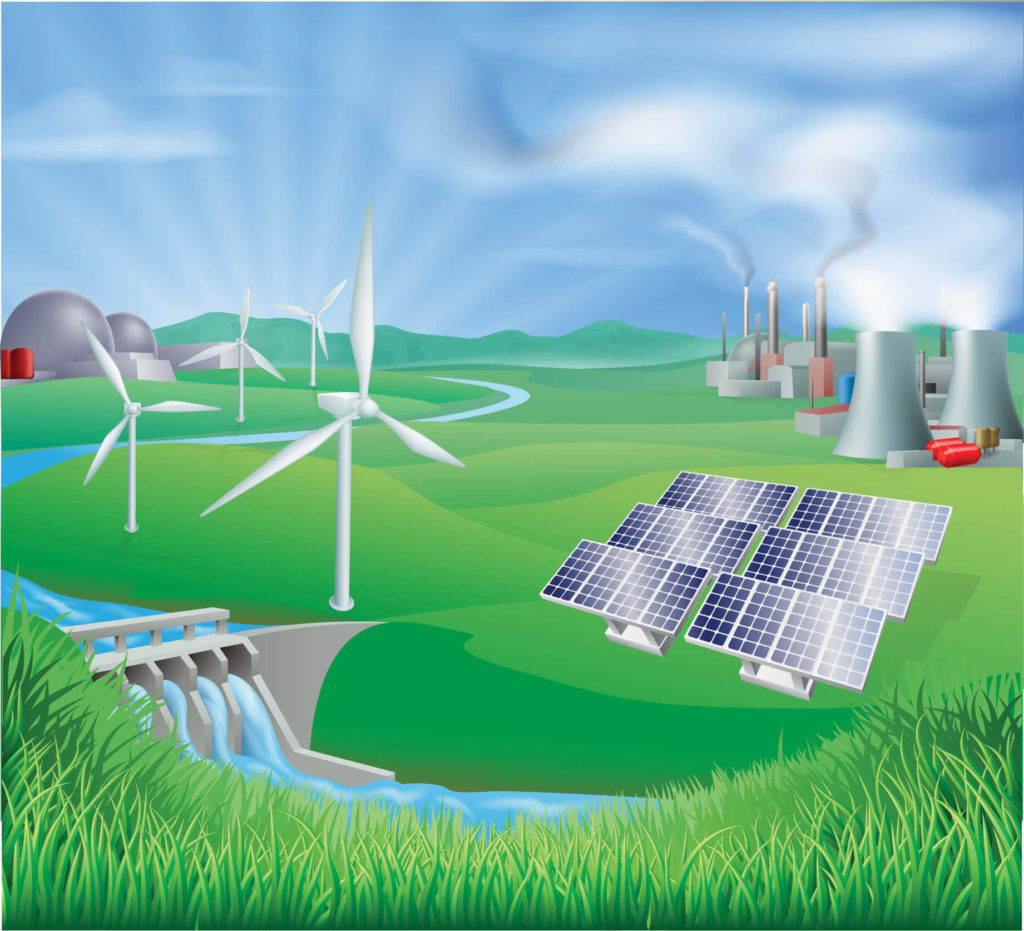
Unlisted renewable energy projects make up more than two-thirds of the whole renewable infrastructure market, which is worth trillions of dollars. Norway’s government has given the go-ahead for its fund to invest in these projects that are not listed on stock markets. The “green light” has almost doubled the sum the fund can invest in green projects to $14 billion.
Tom Sanzillo at IEEFA said, “Unlisted renewable energy is a growth industry. Investments by Norway’s fund now allow it to take advantage of this growth and to use its resources to develop the market for decades. This is a strong step for the health of the fund and the planet.”
In addition, Norway’s sovereign wealth fund said it would terminate its investments worth almost $8 billion in 134 companies that explore for oil and gas. This excludes its stakes in oil firms such as Shell and BP that have renewable energy divisions. Those they are keeping. The country is also selling off its stakes in more coal companies, meaning its investments in giants Glencore and RWE may soon be dumped.
Historic Breakthrough
Per Kristian Sbertoli, at the Norwegian climate think tank Zero, said the decision to invest in unlisted renewable infrastructure was a “historic breakthrough.” Then he welcomed the further divestment from coal, stating, “These actions by the world’s largest sovereign wealth fund are noticed and contribute to reducing the cost for renewables, whilst accelerating the global shift away from coal.”
Divestment
This investment alone isn’t going to save the planet, of course. As Charlie Kronick of Greenpeace UK said, such moves are “genuinely good news” but all investors around the world would have to follow suit to beat climate change.
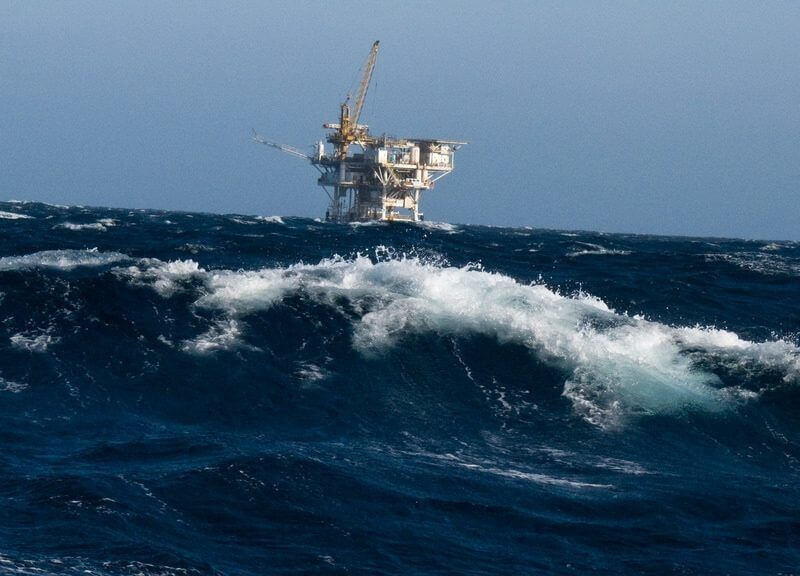
Mark Lewis, at BNP Paribas Asset Management, said, “Renewables are the new rust for the oil-and-gas industry, and if the industry does not adapt to this new reality, they will corrode its future profits just like rust corrodes oil rigs.”
Already, almost 1,000 institutional investors across the globe (managing more than $6 trillion) have committed to fossil fuel divestment. Their decisions are driven by concerns about global warming and financial losses if climate action cuts the value of coal, oil, and gas investments. As long as things continue down this path, we should be all right in the long run! The Falkland Islands now face a similar crossroads with their own emerging oil wealth from the Sea Lion field, as a territory of just 3,700 people weighs how to deploy an expected £4 billion windfall and whether any of it will follow Norway’s lead into clean energy.


