
As the global emphasis on sustainability intensifies, businesses face the crucial task of integrating eco-friendly practices into their operations. Companies are now expected to reduce their environmental impact while simultaneously driving growth and profitability. This balance is vital as consumers increasingly prioritize sustainability in their purchasing decisions.
One innovative solution that has emerged is the print-on-demand model. This approach minimizes waste by producing items only when they are ordered, effectively eliminating excess inventory. By adopting print-on-demand, businesses support sustainable practices and align with the values and preferences of the modern consumer.
In the quest to redefine success in today’s competitive market, understanding how print-on-demand can enhance sustainability efforts is essential. This article will explore how embracing this model can transform business operations, reduce environmental footprints, and meet the expectations of increasingly eco-conscious consumers. Embracing print-on-demand could serve as a key strategy for businesses aiming to thrive in an eco-aware marketplace.
Print-On-Demand: A Vanguard in Sustainable Supply Chain Innovation
In sculpting sustainable supply chains, the print-on-demand approach emerges as a cornerstone. By sidestepping the traditional bulk production model, it trims waste to a striking degree. Each product is made after it’s ordered, meaning no surplus inventory goes to waste.
Using platforms like Printful, businesses can create custom products while maintaining an eco-friendly focus. Printful’s process simplifies logistics – when a customer orders, they handle printing and shipping directly.
This efficiency cuts down on transportation emissions and ensures that resources are used responsibly. You not only streamline operations but also promote sustainability at every level of your business model.
As consumers increasingly demand eco-conscious options, aligning with these practices strengthens your brand’s appeal!

Reducing Waste: How Print-On-Demand Minimizes Overproduction
The print-on-demand model revolutionizes waste reduction in manufacturing. Here’s how it tackles overproduction:
- Custom Production: Products are made only after customers place orders, preventing excess stock.
- No Minimum Orders: Businesses can create and sell without worrying about meeting inventory requirements.
- Targeted Designs: Creators can experiment with designs without committing to large batches.
By partnering with services like Printful, brands not only streamline their production but also embrace sustainability. Each order contributes to responsible consumption.
This reduces environmental impact while fostering a culture of mindful purchasing among consumers. As businesses adopt this approach, they align profitability with eco-consciousness, making waste reduction a cornerstone of modern commerce!
On-Demand Printing: Streamlining Inventory Management
Print-on-demand reinvents inventory control by dispensing with the complexities associated with conventional stockpiling. Businesses no longer face the risk of overproducing or being stuck with unsold products.
Instead, they create items only when customers place orders. This shift allows for more precise demand forecasting and minimizes waste.
The on-demand approach simplifies logistics without compromising quality. Brands can focus on creative aspects while ensuring efficient inventory turnover. By adopting this method, businesses boost profitability and align operations with sustainable practices.
This strategy resonates well with consumers who prioritize eco-friendly options in their purchasing decisions, ultimately fostering a responsible brand image that reflects today’s market demands!
Customization as a Catalyst for Conscious Consumerism
The print-on-demand framework, through its bespoke customization options, inspires consumers toward judicious buying choices. It champions thoughtful consumption by enabling them to select goods aligning with their personal ethics and tastes.
- Unique Products: Consumers can create one-of-a-kind items, reducing the demand for mass-produced goods.
- Personal Connection: Custom designs foster a deeper emotional connection between consumers and products, promoting satisfaction and reducing return rates.
- Sustainable Options: Many platforms offer eco-friendly materials, enabling conscious choices in product selection.
This level of personalization aligns with growing consumer trends favoring sustainability. As customers embrace unique offerings tailored to their tastes, they also support businesses committed to ethical practices.
In this way, customization enhances both consumer experience and environmental responsibility!
Print-On-Demand Fuels Local Economic Growth
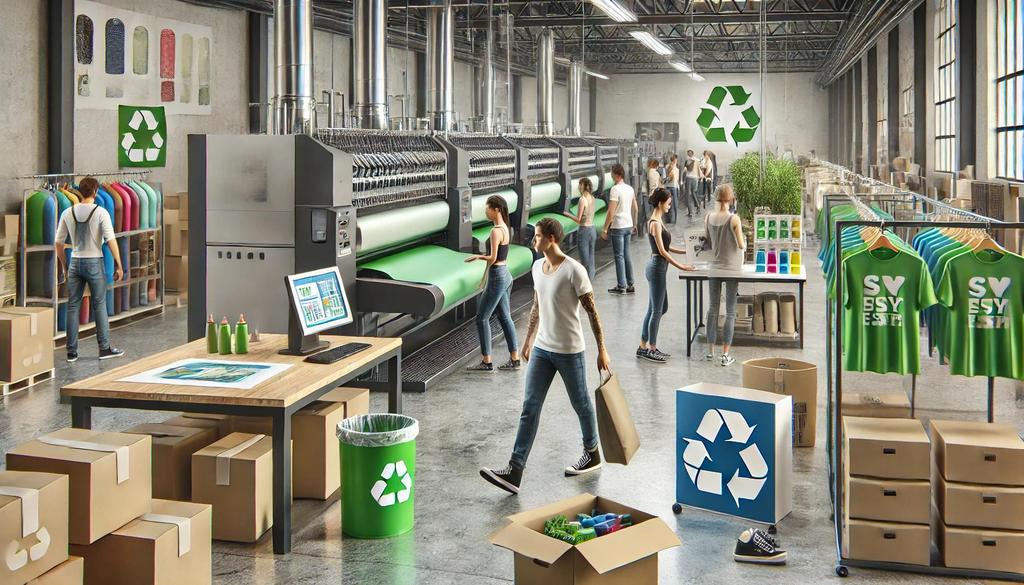
The infusion of print-on-demand strategies propels local economies forward, offering a lifeline for small enterprises and solo innovators. It grants entrepreneurs market access with fewer fiscal hurdles linked to inventory overheads.
They can focus on their unique designs while supporting local production. By sourcing materials and services from nearby suppliers, these businesses reduce transportation emissions, further benefiting the environment.
Additionally, print-on-demand fosters job creation in communities where production facilities operate. Consumers appreciate purchasing from local brands that reflect their values, enhancing community ties.
As awareness grows around supporting local artisans and eco-friendly practices, this model positions itself as a viable path for sustainable business growth that nurtures both economic development and environmental stewardship!
Forging Greener Horizons: The Influence of Print-On-Demand
Print-on-demand creates a significant pathway toward sustainability for businesses and consumers alike. This model promotes a responsible and accountable commercial framework by minimizing waste and supporting local markets.
As brands increasingly embrace customization, they establish deeper connections with environmentally conscious customers. The potential for innovation in materials and processes further elevates the attractiveness of the print-on-demand approach. This adaptability allows businesses to meet consumer demands while adhering to sustainable practices.
Print-on-demand will play an essential role in shaping an environmentally friendly marketplace. As sustainability becomes a priority in business, leveraging this model will help create a future where eco-conscious values align with commercial success. Adopting print-on-demand can position companies to thrive in a market that increasingly prioritizes sustainability and responsible consumption.

