
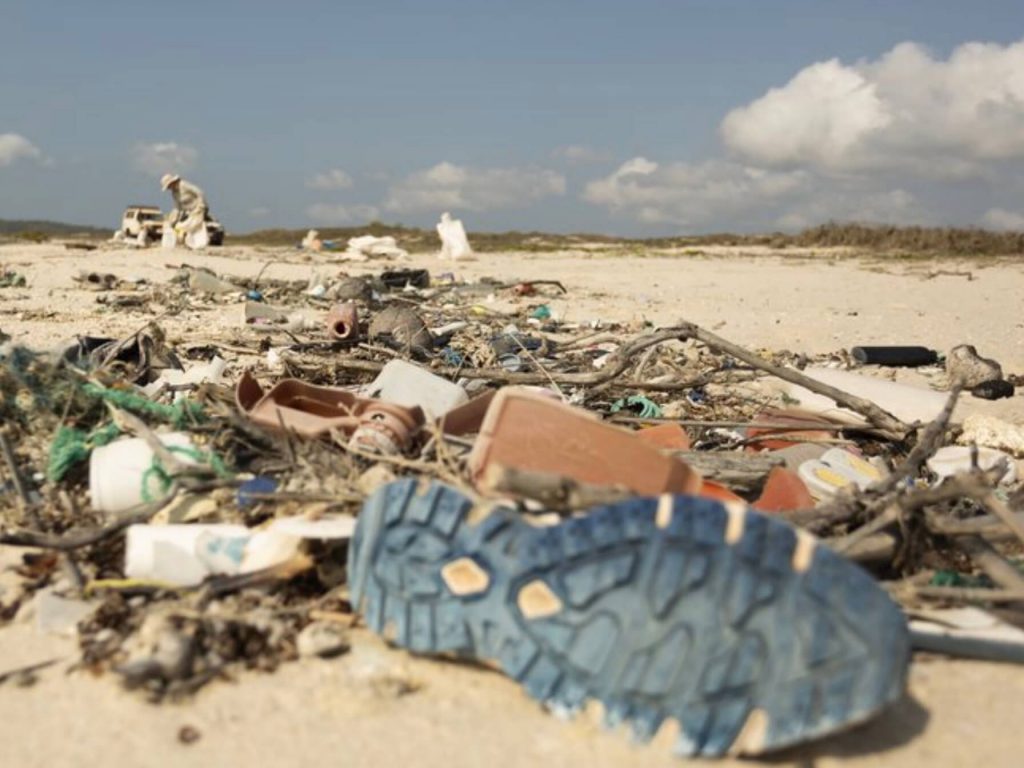
Sea Shepherd, a marine conservation organization, has been cleaning up a remote Australian beach. The two-kilometer stretch of Djulpan beach in northeastern Arnhem Land being found covered in plastic waste is more evidence of the extent to which pollution is spreading across the planet.
Sea Shepherd says it has been washing up on the coast in massive amounts. The organization, in collaboration with Indigenous rangers, have picked up over 7 tons of marine plastic pollution there so far. Items found include mostly water bottles, cigarette lighters, and fishnets, along with a lot of other miscellaneous garbage.

Djulpan beach (on the western side of the Gulf of Carpentaria) is so remote that it takes about 2 ½ hours to get there by car from the township of Nhulunbuy. There is no road to get there so the rangers from Dhimurru Aboriginal Corporation had to cut a 4WD track through scrubland to reach it.
The clean-up that took place was conducted over a two-week span of time. Researchers estimate that they picked up around 250 million pieces of debris along the full stretch of the 14km beach. According to Liza Dicks from Sea Shepherd Australia, “it was the worst case of plastic rubbish the group had found in more than 600 clean-up exercises at mainland Australian beaches.”
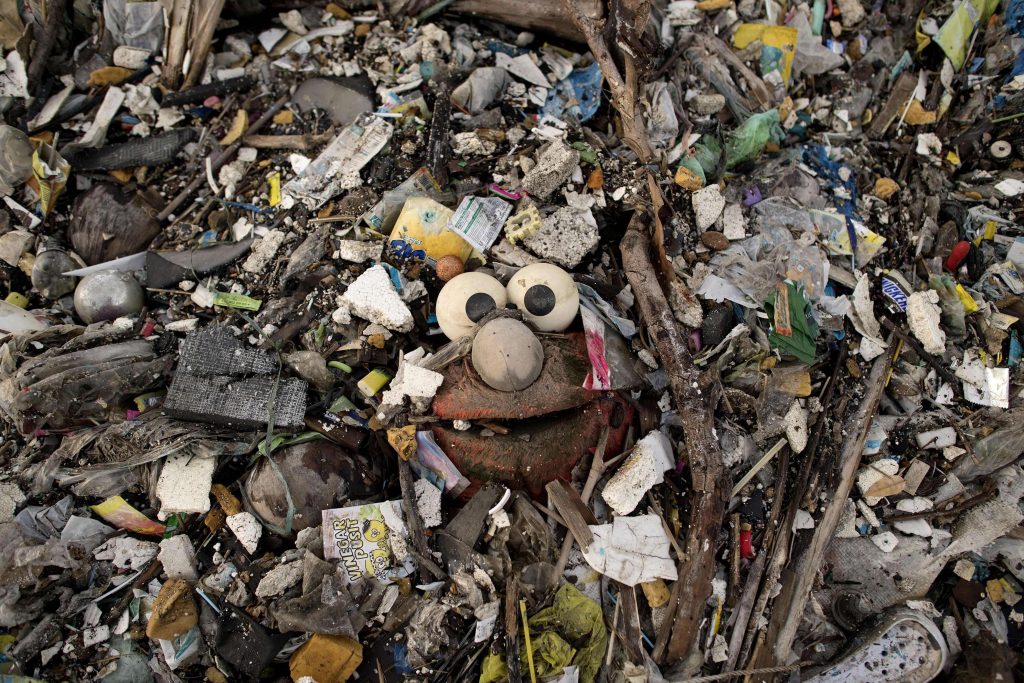
Consumer items constituted roughly 2/3 of all debris, including water bottles, cigarette lighters, ice block wrappers, shoes, thongs, toys, and toothbrushes. The rest of it was 72 types of discarded fishing nets, some of which sadly contained turtle bones. Government data suggests only 12% of the stuff Australians put in kerbside bins to be recycled is actually recycled.
A lot of the garbage was single-use and disposable and some of the plastic appeared to be decades old, said Jennifer Lavers, a marine biologist at the University of Tasmania who led the Cocos (Keeling) Islands study and helped Sea Shepherd analyze what it found at Djulpan beach.
She said:
It is likely this waste came from southeast Asia, but we know at the same time Australia’s waste is going over to somewhere else. It is incredibly commonplace, but for the average ordinary person it’s probably pretty shocking to learn that these remote pristine places have such a high density of plastic. This is not some untouchable thing. It is a thing we can do something about.
Last month the prime minister, Scott Morrison, vowed to do more to stop Australian plastic ending up in oceans by boosting the struggling local recycling industry and banning the export of recyclable material. However, there is yet to be a date set to when this ban will be put into effect. The matter will be discussed at a meeting of environment ministers in November.


