
Charley Royer, survivor and 17 months old baby boy of Lexi and Joshuwa Royer, had an operation to close his spine when he was still in his mother’s belly. Charley is now learning to walk and dance, enjoying his early life with his happy parents at their home in Alpine, California.
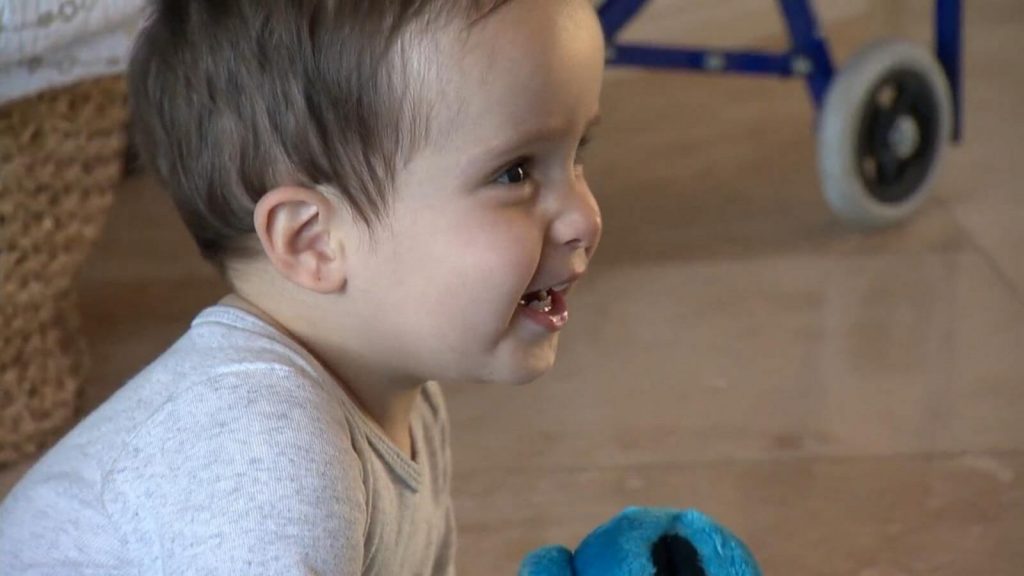 When Lexi was 6 months pregnant, the doctor told her that her unborn child had a condition called spina bifida, something that occurs when tissue that should enclose and protect the spinal column does not form properly, leaving part of the spine uncovered, with nerves exposed. In the United States, about 2,000 children a year are born with the disorder.
Now, it is possible to operate on the fetus in utero, which can minimize nerve damage caused by severe defects in tissue around the spinal column. Closing the spine as early as possible can prevent further injury because nerve damage is irreversible and accumulates as the pregnancy progresses. Of course, the Royers said yes to the surgery.
Although the traditional way to perform the prenatal surgery has required cutting open the uterus, Lexi and her husband, Joshuwa, chose an experimental approach: fetoscopic surgery. This newer approach was developed at Texas Children’s Hospital by Dr. Michael A. Belfort, the obstetrician and gynecologist in chief, and Dr. William Whitehead, a pediatric neurosurgeon. Surgeons at Stanford and Johns Hopkins are also performing fetoscopic surgery for spina bifida in clinical trials.
Fetoscopic surgery involves the doctors opening the abdomen and making tiny slits in the uterus to insert a camera and miniature instruments. The camera then sends images to a monitor so the surgeons could watch what they were doing. The operation has two advantages. By not making a big cut in the uterus it decreases the odds that the mother will give birth prematurely and need a cesarean. However, the operation is unfortunately not appropriate for every case of spina bifida.
For the Royers, the experiment worked out. Charley had the surgery as a six-month fetus in September 2017. He was born full-term in January 2018, and a cesarean was not needed. What made the most impact, though, was how the fetal surgery had quickly reversed a dangerous condition in which part of Charley’s brain stem had sunk into his spinal canal, which could have led to physical and cognitive disabilities.
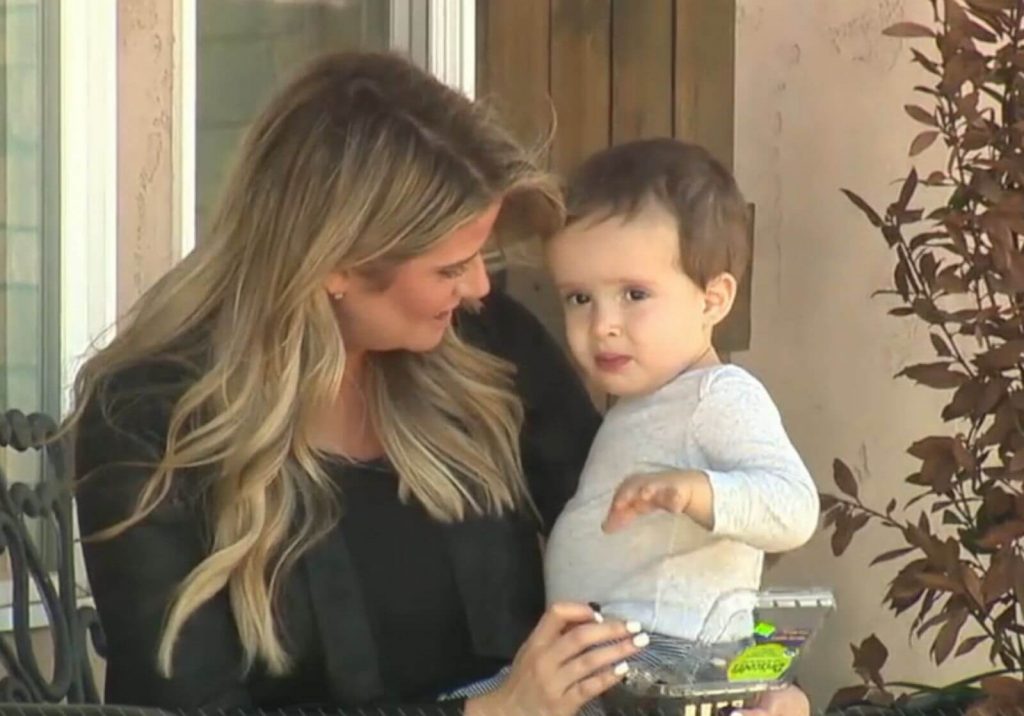 “He’s on track with everything — speech, fine motor, cognitive — except for gross motor, which we expected,” Mrs. Royer said. Charley seems to have had a “big language explosion” recently, she said. “He can now name his toys and stuffed animals, and, of course, Bruce.”
She couldn’t be happier. Things that might normally aggravate a parent (like putting a pair of pants on him can turn into a wrestling match) doesn’t bother her at all. “Things that might annoy other parents, I’m so thankful for,” Lexi Royer said.
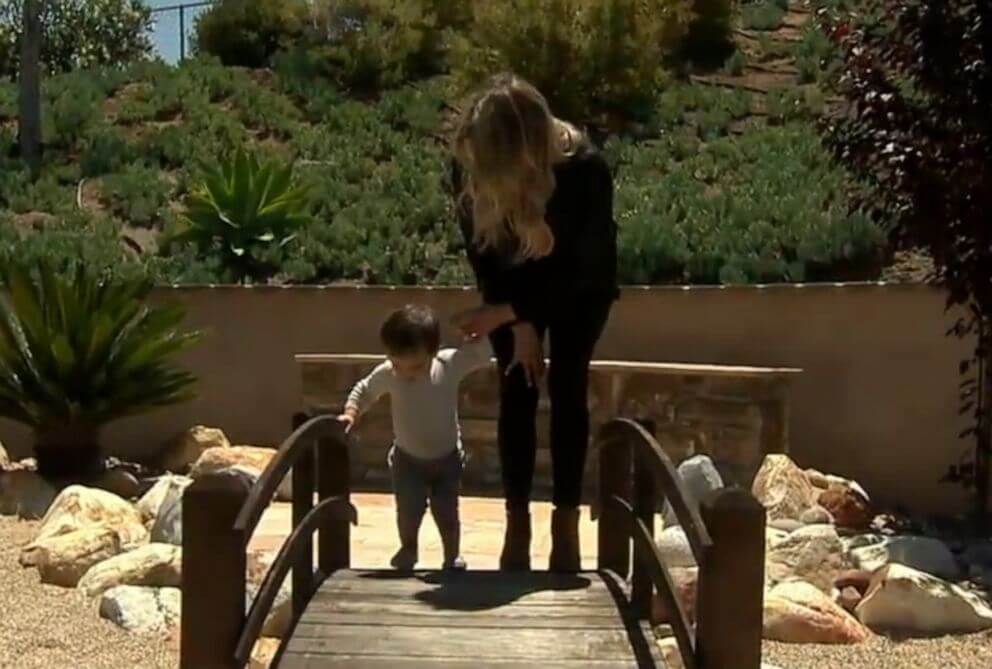 That’s because before he was born, doctors predicted that he would be paralyzed from the waist down. If it wasn’t for the surgery, the severe spinal defect might even have required him to use breathing and feeding tubes, leg braces, crutches, a wheelchair, and lifelong treatment for fluid buildup in his brain. Recently, Charley has begun to stand on his own; he crawls around and hauls himself upright against the couch. The first time he walked across a room, holding on to a walker with wheels, he finished by plopping down and yelling, “Whoa!” Mrs. Royer said. She wept.
Charley has also faced a series of complicated diagnostic tests, indicating that his bladder function is normal and he is likely to have urinary control. This too is something special because, despite fetal surgery, many children with spina bifida are incontinent.
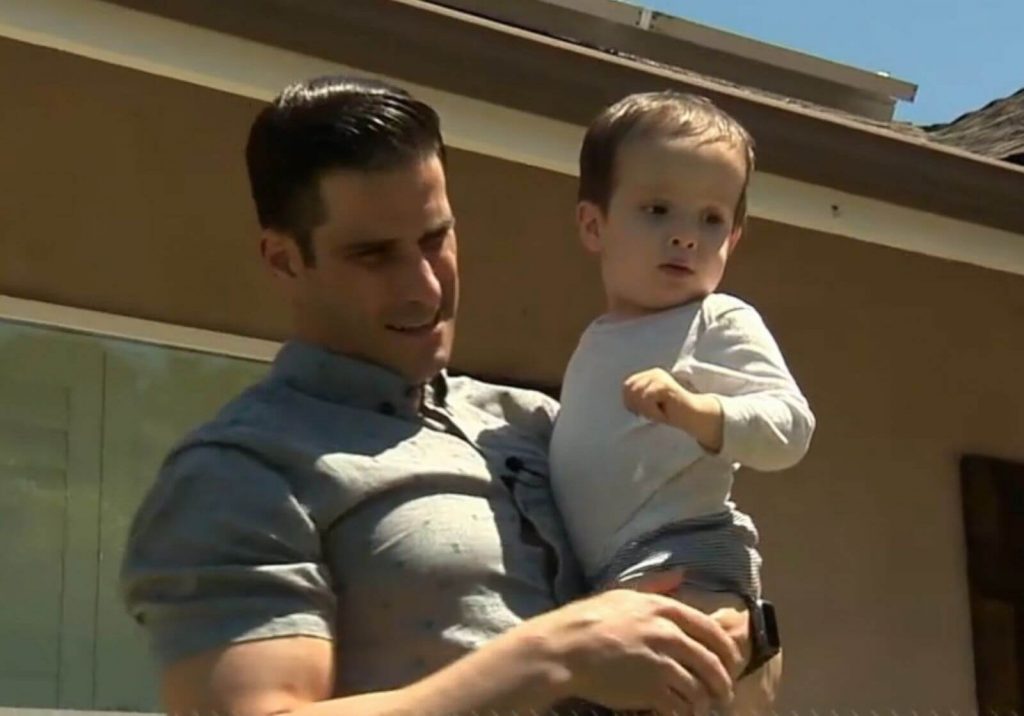 The Royers are just so grateful for their life with Charley now. Mr. Royer looks forward to hiking with Charley, camping, building fires, fishing. “All the stuff I did as a boy,” he said. “I imagine him one day in the yard with me, teaching him stuff, working on stuff, being self-sufficient, fixing cars and stuff around the house.”
“I didn’t think it would be so positive, so happy,” Mrs. Royer said. “Our days are just so normal. I wish I could have had a crystal ball then and seen how we are now. If I just could have known that everything was going to be O.K. If I could have seen him sitting here, playing now. I could have saved myself so many tears.”
Another couple that performed this surgery was Bethan and her husband, Kieron. At first, they too were devastated to hear about the condition their unborn child had developed. Then they heard about this groundbreaking new surgery that treats spina bifida outside the womb and realized that they could save their daughter’s life and future well-being. Bethan opted to undergo the surgery at 24 weeks pregnant, and it was a grand success as well!


