
Transitioning to a zero-waste kitchen can feel like a daunting task, but it doesn’t have to be. The key is to start with simple, sustainable swaps, and stainless steel offers a powerful solution. Its durability and versatility provide the foundation for a kitchen that produces less waste and functions more efficiently.
From the way you cook and store food to how you clean up, incorporating long-lasting stainless steel tools is a practical step toward creating a zero-waste haven. This guide will walk you through how this simple material can make a significant impact on your home’s sustainability.
How Stainless Steel Cookware Minimizes Food Waste
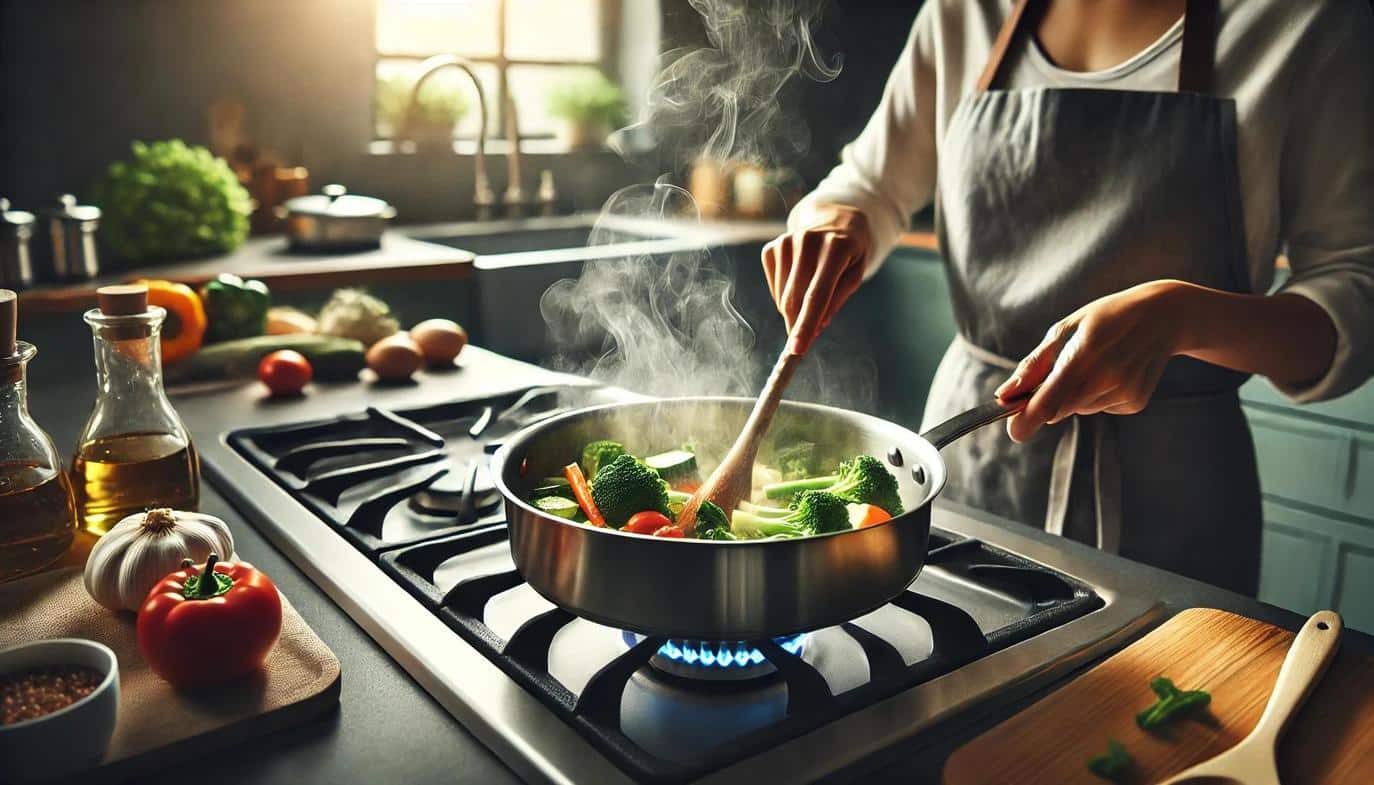
Stainless steel cookware is a reliable choice for zero-waste cooking. It’s even heat distribution ensures meals cook properly, reducing the chances of burning or unevenly cooked food that might end up discarded. Non-stick options also help preserve every bit of what you’re making without unnecessary scrubbing.
An often-overlooked option is stainless steel food pans, which are staples in commercial kitchens and can be just as useful at home. These pans can double as roasting trays, cutting down on the need for disposable aluminum trays.
From durable pots to versatile frying pans, stainless steel’s longevity means less frequent replacements. By investing in long-lasting options like these, your kitchen will generate less waste over time while helping you get the most out of every meal.
Preserving Leftovers and Preventing Waste With Stainless Steel Containers
Effective leftover storage is essential for zero-waste cooking, and stainless steel containers offer an excellent solution. They’re durable, reusable, and free of harmful chemicals like BPA (which is found in some plastic options).
These containers are ideal for storing cooked meals or prepped ingredients in the fridge without fear of odors or stains. Many come with leak-proof lids, making them perfect for sauces or soups as well. Unlike single-use plastic wrap or bags, they can be used repeatedly without degrading over time.
Additionally, stainless steel helps maintain food quality by protecting it from light exposure that can cause spoilage. With proper use of these sturdy containers, leftovers stay fresh longer—helping reduce both food waste and reliance on disposable alternatives.
How Durable Stainless Steel Appliances Promote Sustainability
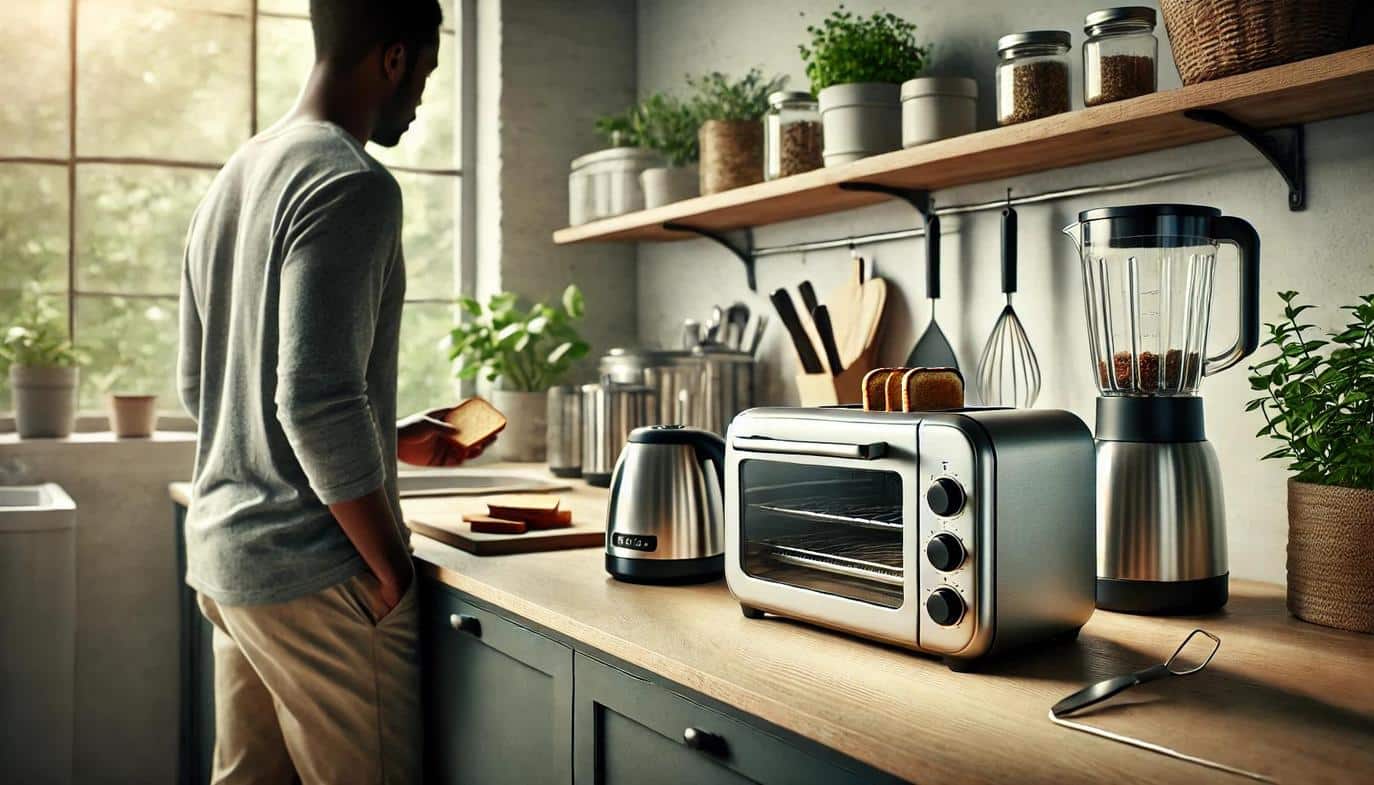
Stainless steel appliances are a long-term investment for zero-waste cooking. Their robust construction ensures they last far longer than cheaper, less durable alternatives—reducing the need for replacements that contribute to waste.
Many stainless steel kitchen appliances, such as ovens or refrigerators, offer energy-efficient designs. Using these not only saves power but also helps prevent food spoilage by maintaining consistent temperatures over time. This is especially critical in reducing wasted perishable goods. Their sleek surfaces resist rust and corrosion, making maintenance easy while ensuring longevity.
Whether it’s a stainless steel blender or dishwasher, these appliances support sustainable choices by minimizing breakdowns and unnecessary discards. A durable appliance is not just more efficient; it helps your household create less waste overall.
Reducing Single-Use Plastics with Reusable Metal Utensils
Plastic utensils are typically thrown into the trash after just one use. Switching to stainless steel utensils eliminates this waste entirely, as they are reusable and built to last.
From spoons to tongs, metal alternatives hold up against regular wear and tear without bending or breaking like plastic. They’re also safer for cooking, as they won’t release harmful chemicals when exposed to heat. Reusable stainless steel straws have gained popularity too—replacing disposable options that end up in landfills or oceans.
By incorporating these durable tools into your kitchen routine, you significantly reduce dependence on single-use plastics while maintaining functionality. This simple swap demonstrates how opting for stainless steel over throwaway materials makes zero-waste cooking more achievable.

Simplifying Composting with Stainless Steel Bins
Composting kitchen scraps is a cornerstone of zero-waste cooking, and stainless steel bins make the process simpler. These bins are designed to sit on countertops, offering easy access while prepping meals.
Unlike plastic alternatives, stainless steel compost bins offer several key advantages:
- They resist odors and stains, keeping your kitchen fresh.
- Many feature carbon filters in their lids to neutralize smells.
- Their durability ensures they withstand daily use without cracking or degrading over time.
Originally popular for professional settings, these bins have become a practical choice for home kitchens too. From vegetable peels to coffee grounds, using one encourages responsible waste management while reducing landfill contributions.
The Simple Guide to Maintaining and Cleaning Stainless Steel
Stainless steel’s easy upkeep makes it an excellent choice for zero-waste cooking. Its non-porous surface resists stains, odors, and bacteria buildup—allowing you to clean cookware, appliances, or utensils efficiently without harsh chemicals.
Natural cleaning solutions like baking soda or vinegar work well on stainless steel. This eliminates the need for chemical-laden cleaners often packaged in single-use plastics. Regular maintenance extends the life of your kitchen tools and prevents premature wear.
Whether it’s wiping down a fridge or scrubbing a pot, keeping stainless steel in good condition ensures these items remain functional for years—avoiding unnecessary replacements. Simpler cleaning means more reuse; fewer discarded tools and materials ultimately help maintain a sustainable household that generates less waste overall.

Making a Lasting Impact With a Stainless Steel Kitchen
Adopting a zero-waste cooking lifestyle is a journey of conscious choices, and selecting the right tools is a foundational step. Stainless steel proves to be an indispensable ally, offering the durability, safety, and versatility needed to create a truly sustainable kitchen. From cookware that minimizes food waste to reusable containers that eliminate single-use plastics, every stainless steel item is an investment in a cleaner, more efficient home environment.
By embracing these long-lasting essentials, you are not just organizing your kitchen; you are actively reducing your household’s environmental footprint. The simplicity of maintaining these tools ensures they remain a practical part of your daily routine for years to come. Ultimately, a stainless steel kitchen empowers you to make sustainable choices that are good for your family and the planet.
Your Questions on Zero-Waste Cooking Answered
Is stainless steel cookware truly better for reducing food waste?
Yes, its superior heat distribution ensures food cooks evenly, reducing the risk of burning or undercooking that leads to waste. Furthermore, its durability means you won’t have to frequently replace pans, cutting down on landfill contributions from discarded cookware.
How do stainless steel containers compare to glass for food storage?
Both are excellent plastic-free options. However, stainless steel is lighter, unbreakable, and completely blocks out light, which can help preserve the freshness and nutrient content of certain foods for longer periods.
Besides cookware and containers, what’s one easy stainless steel swap I can make?
Switching from disposable plastic utensils to a reusable set of stainless steel cutlery is one of the easiest and most impactful swaps. It’s a simple change that completely eliminates a common source of single-use plastic waste from your daily routine.


