
Viennese architect Ivana Steiner brought back and updated the old approach to kitchen design. Her Zero- Waste kitchen is a modern revival of cookery from before single-use packaging flooded our lives.
The kitchen compliments the zero-waste movement – a lifestyle focused on reducing the amount of waste we generate. This involves, for example, bringing your own bags and reusable containers to the grocery store to avoid buying individually wrapped items.
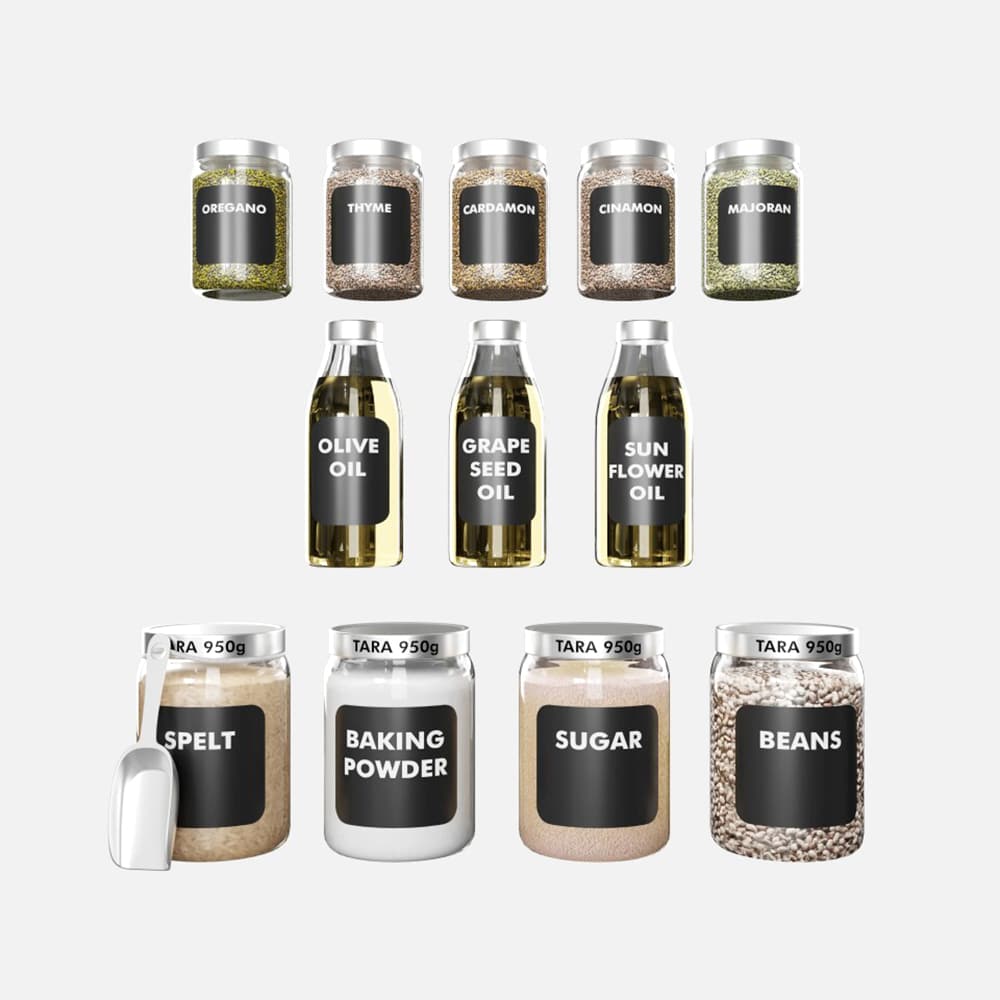
The entire world changed after Belgian chemist Leo Baekeland pioneered the first plastic in 1907, particularly in the food industry and its associated fields. Until then, most cooking ingredients (flour, sugar, produce, etc.) were purchased in bulk and stored in reusable bins in a cupboard.
This “unpacked” system is beginning to come back around, too, with many supermarket chains introducing loose produce and packaging-free isles featuring refillable products – anything from cereals to cleaning products.
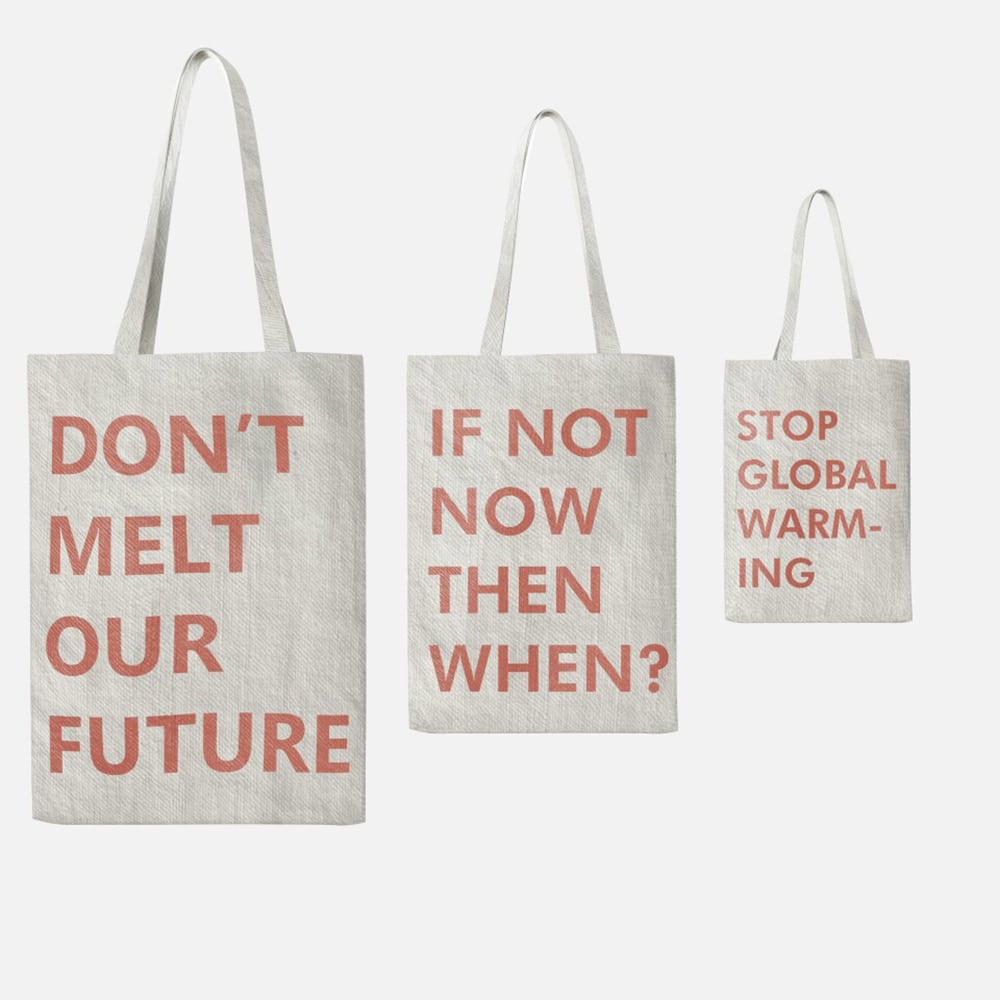
Steiner’s Zero Waste kitchen includes all the containers and linen totes you need to shop responsibly. She makes it effortless to live the zero-waste lifestyle. Steiner said:
Zero Waste does not hope that politics and business will tell you how and when you will implement your environmental measures and goals, but rather that each of us can actively contribute to climate protection through a resource-saving lifestyle. Zero waste not only includes avoiding waste but also how we deal with nutrition and cooking. If we concentrate on fewer, regional foods without packaging, we can actually implement changes in our immediate surroundings.
She was inspired to create the perfect low-fuss solution after visiting several “unpacked” shops in Vienna, which left her bewildered by how much effort it takes to live without waste. Steiner told New Atlas:
I got to know people who live a zero-waste lifestyle and was very impressed by their mindset and how much effort they take to live their lifestyle. As an architect, I asked myself what the kitchen looks like so that one can live zero-waste, and after many discussions with the community, this kitchen was created.
Steiner based the whole design around the idea that every move in the space has to happen with maximum efficiency and every element made for sustainability. Furthermore, everything had to be made of recycled materials.
Steiner continued:
There is a difference between the production of steel from iron at 3,000 degrees in a blast furnace and the production of recycled steel in completely different processes is an electrical process at 1,000 degrees where there are no emissions. The interesting thing about recycled steel is that it can be recycled several times without the material changing. For example, wood becomes paper when recycled or wood chips.
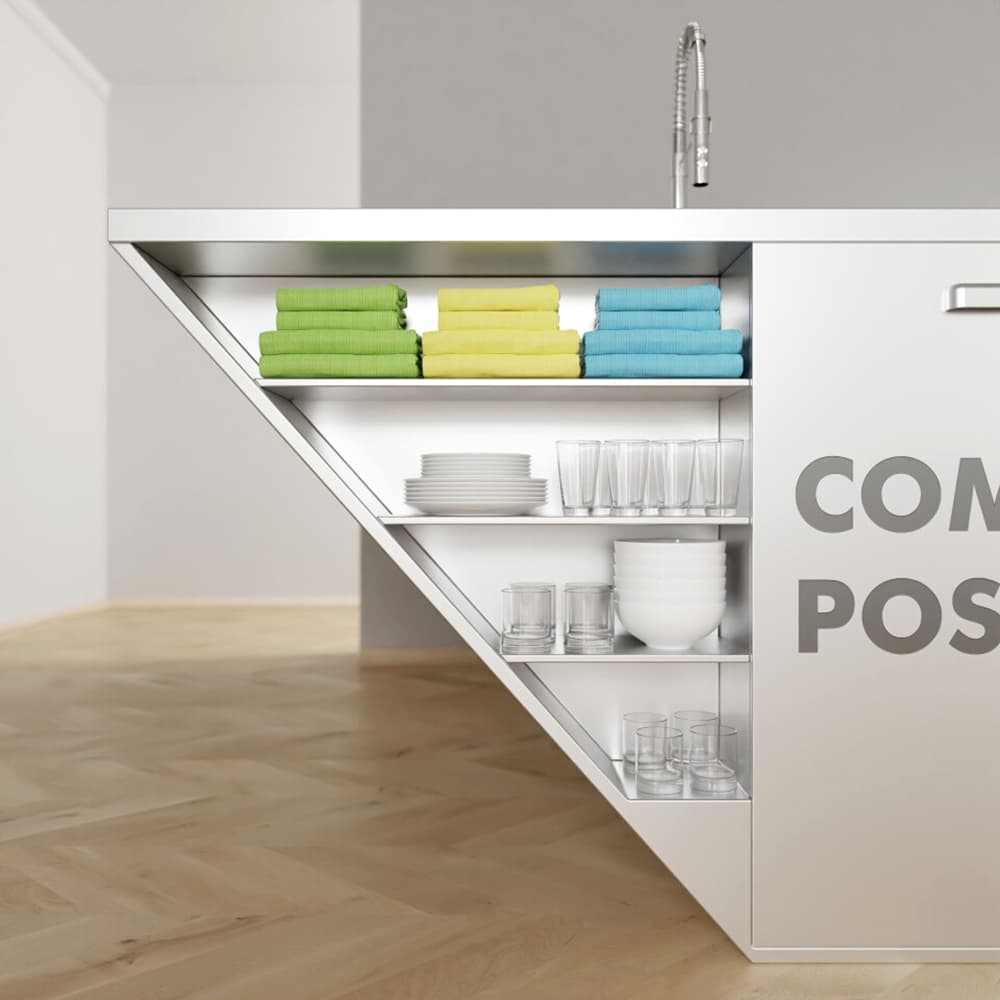
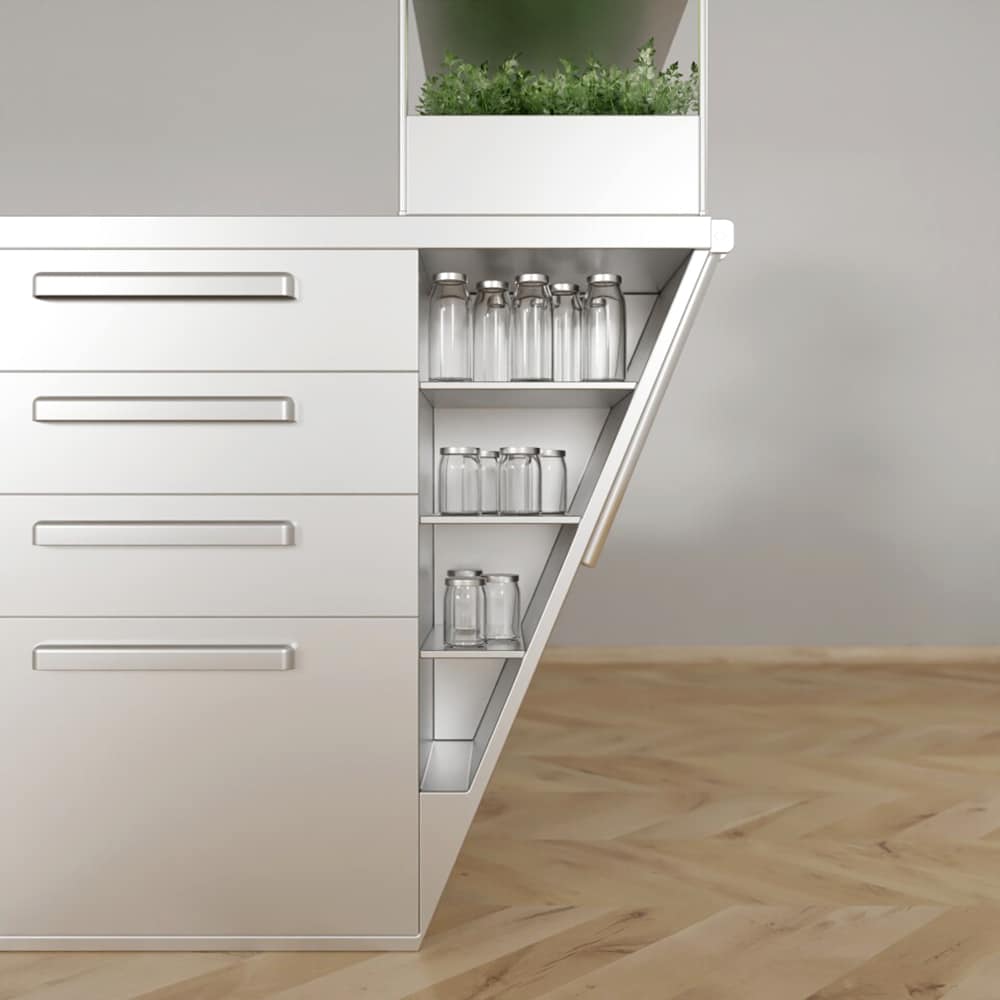
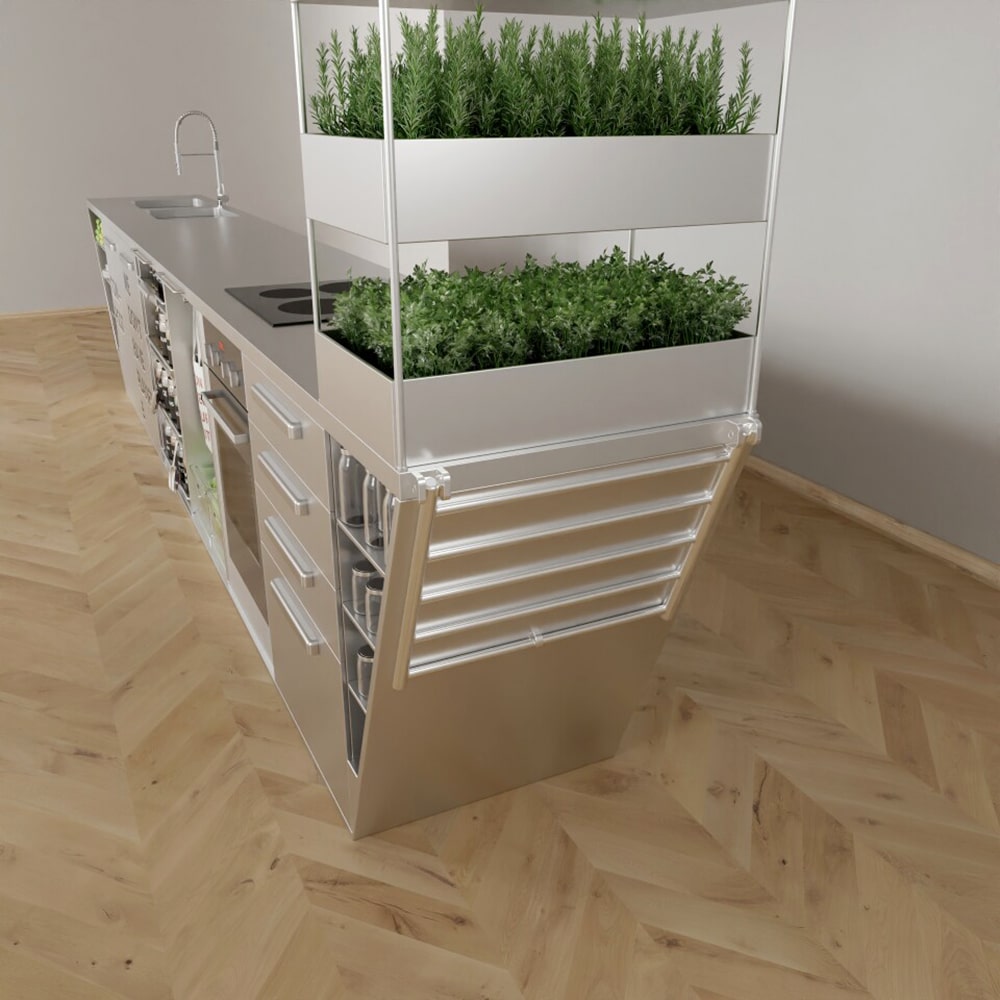
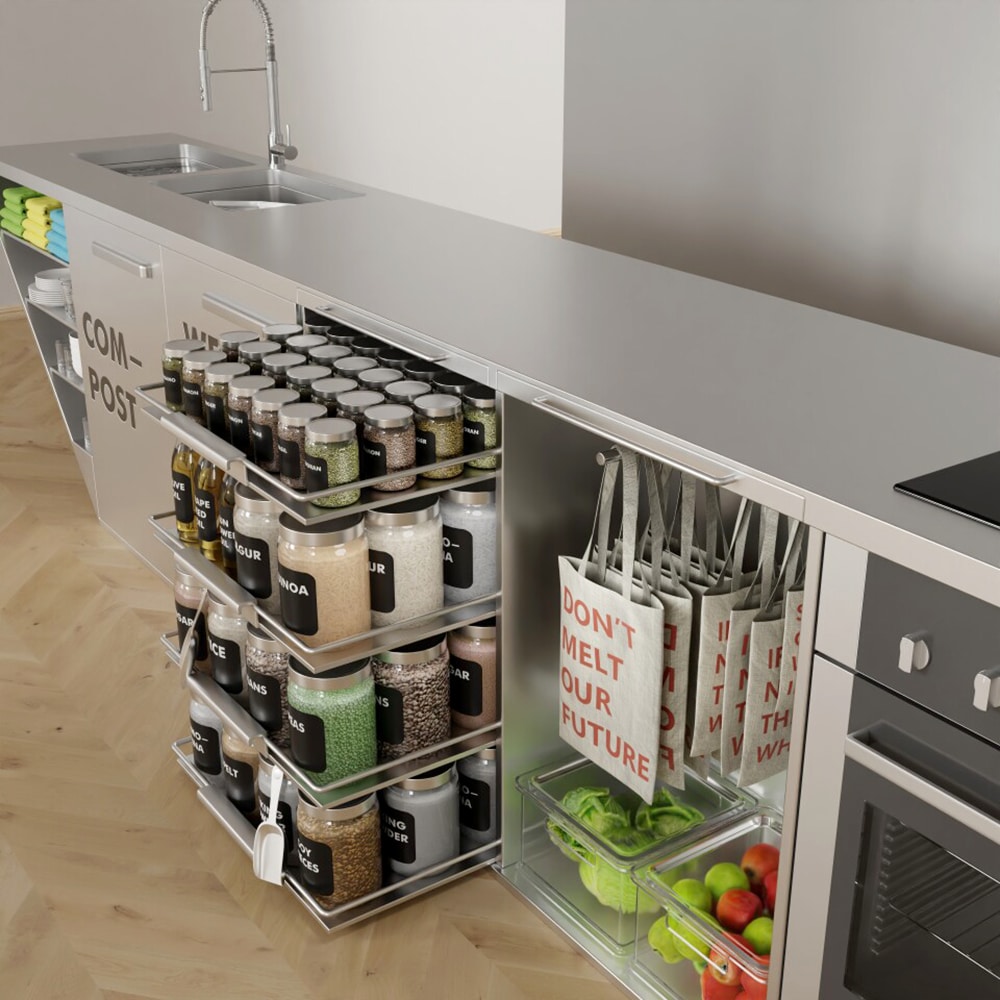
The Zero Waste kitchen measures 157 inches (400 centimeters) long, 23.6 inches (60 centimeters) wide, and 33.8 inches (86 centimeters) high. The main structure is a monolithic unit made of recycled stainless steel, and the reusable storage containers are made of recycled glass.
The structure features sections for the glass containers and fruit and vegetable baskets. It also features:
- Additional storage space
- Two sinks
- A composting worm box under the sink
- A vertical herb and vegetable garden with its own daylight lamp
- A water jug for watering the garden
- Linen bags on hooks
- A fold-out towel rack for drying textile wipes.
The humus produced by the composter could be used in the garden or elsewhere if the user has more plants around the house. Also, Steiner points out how the towel rack is one of the critical sustainability elements. She said:
A tumble dryer is also essential for the zero-waste kitchen. This is important because you do without kitchen rolls and serviettes and only work with textile wipes that you wash and dry regularly. The wipes are divided into three groups: for products, for hands, and for cleaning surfaces. The towels are washed every other day, or as often as necessary.


The Zero Waste Kitchen is a multi-functional space with a sizeable open benchtop, which also doubles as a table for cooking, dining, or gathering around to socialize. In addition, there are two pull-out workbenches if more counter space is needed for food preparation.
The whole structure is taken off the wall because it’s meant to be the room’s centerpiece to invite a community aspect to the kitchen.

Steiner spent €20,000 (approximately US$23,700) to make the Zero Waste kitchen prototype. However, she finished this project feeling inspired and plans to continue incorporating creative ways to make sustainable living easier in her future design projects. She concluded:
Achieving’ zero waste’ is an ambitious project, but sometimes when the crisis is there, radical concepts are needed. I think that’s the future. We have to live more regionally and more sustainably, and architects and designers have to think about how we adapt our surroundings and the products which we use daily. My experience with the Zero Waste Community was very inspiring, that people care about how we pollute our planet and that each of us can do something about it.
Many people select certain products over others because of cost, quality, marketing, and ingredients. However, as we trek into the future while combating the plastic crisis and climate crisis, we will also have to consider a new, crucial deciding factor; packaging. For example, boxes filled with individually wrapped, single-serve items are a big NO. The more you shop with a zero-waste mindset, the more you will begin to see how much unnecessary waste there is and veer for the least wasteful option available.


