
Awareness of the impact plastic pollution is having on our planet is mounting but it’s not so easy to cut plastic out of our lives. While many of us are doing our best to change our habits, avoiding plastic packaging when weekly shopping at the grocery store can feel near impossible.
According to experts, the Environmental Investigation Agency, and Greenpeace UK, supermarkets in the UK alone are producing 810,000 tons of single-use plastic every year. This number doesn’t include the over 1.1 billion single-use bags, 958 million “bags for life” and 1.2 billion plastic bags for fruit and vegetables, which supermarkets also produce annually.
Makes sense why it’s so difficult to avoid plastic doesn’t it? The thing is, plastic food packaging does help protect food from damage and helps it last longer, which are both important for reducing food waste, another problem the world is facing. So, in order to do our part in helping tackle the plastic pollution crisis, it is important for consumers to know just how much of the packaging is recyclable and how to dispose of it correctly so it can be recycled.
Many supermarkets recently have been taking measures to curb their plastic use. In the UK, almost all of the supermarket chains signed up to the UK Plastics Pact back in April 2018. This pact aims to tackle plastic waste. Since then, some of the country’s biggest stores have been implementing tactics to hold up to the pact. Here are a few examples of what some of them are doing to tackle plastic pollution:
Aldi
Aldi is a German budget supermarket chain with stores across Europe. It has pledged to make all of its own-label packaging recyclable, reusable or compostable by 2022, and aims to reduce packaging by 50% by 2025. It has also stopped selling 5p plastic bags from all of its stores across the UK. By imposing this ban the supermarket should be able to get rid of 80 million bags from circulation every year.
This year, the supermarket launched a trial that will be offering paper bags for 19p at half of its UK stores, while the other half will offer compostable bags for 6p. The new compostable bags are made of biodegradable material, called Bioplast. They are designed to be 100% compostable within 12 months. When the trial is over they will make the most popular choice of the two Aldi’s new permanent shopping bags. The change could reduce plastic pollution by up to 1,300 tons every year.
Speaking of the trial, Fritz Walleczek, managing director of corporate responsibility at Aldi, said:
Reducing the amount of plastic we produce is fundamental to our commitment to being a sustainable and environmentally responsible business. Cutting waste is part of Aldi’s DNA and we are constantly looking for new ways to reduce our environmental impact.
Asda
Asda got rid of 5p plastic bags from its stores and increased its reusable plastic bags from 9p to 15p. The supermarket vowed to replace the polystyrene boards on all fresh pizzas with cardboard, a move it says will eliminate 178 tonnes of polystyrene. The supermarket also has plans to launch a zero profit re-usable coffee cup and to replace 2.4m plastic drinking straws in its cafes with paper alternatives.
Simon Gregg, Asda’s vice president of online groceries, said:
We’re working hard to reduce avoidable plastic wherever we can – because helping to reduce its impact on the environment matters to us, and we know it matters to our customers too. This is a simple change, but will have a significant impact on the amount of plastic we use as a business.
Iceland
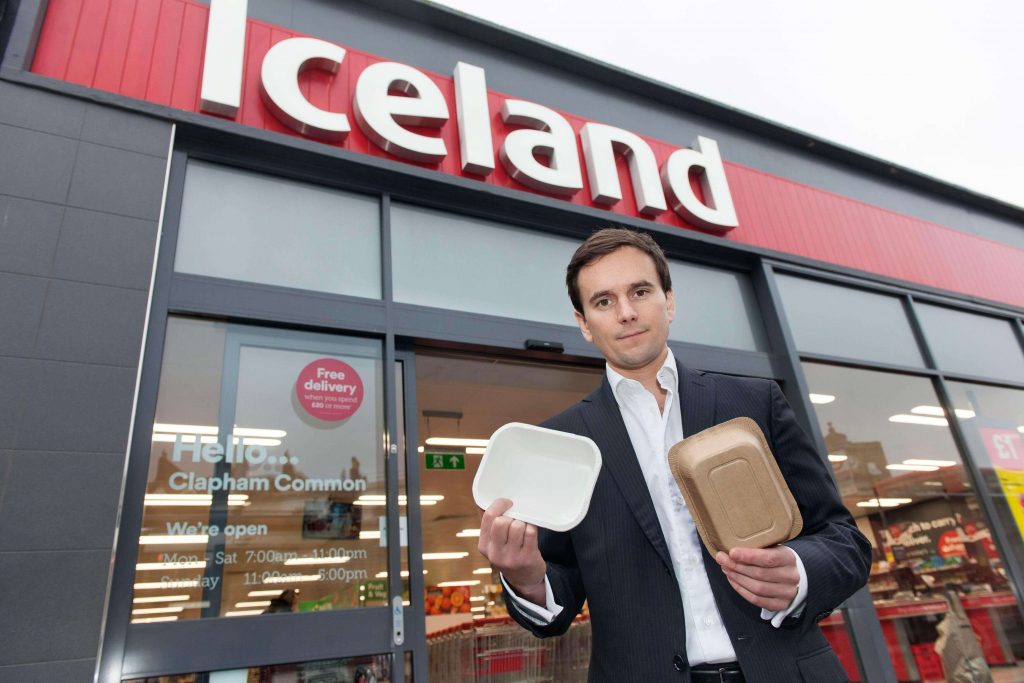
In June 2018, Iceland introduced a plastic bottle recycling scheme in four of its stores across the UK. The stores rewarded consumers with a 10p voucher for every deposit. As a result, 311,500 plastic bottles had been recycled in just seven months with shoppers earning the equivalent of more than £30,000 in total!
Then this year, the supermarket announced plans to bring back the traditional greengrocer with packaging-free fruit and vegetables. As for the future, Iceland has pledged to eliminate plastic packaging from its own-label range by 2023.
Richard Walker, Managing Director at Iceland, said:
We know that many customers are using ‘bags for life’ only once and the retail industry needs to work together to challenge this behavior and find alternative solutions. Over 1.2 billion plastic bags for life were sold last year in the UK and this needs to change drastically.
These trials will help us to understand how our customers feel about removing one of the most common objects associated with plastic, the supermarket carrier bag, and how they respond to various alternatives. We’re looking forward to seeing how customers respond and using the results of the trials in our wider plans to reduce our plastic footprint.
Lidl
Back in August 2018, Lidl began a six-month trial of a scheme aimed to cut food waste. It involved selling slightly damaged fruits and vegetables at very low prices. Now, the supermarket has announced that its £1.50 Too Good To Waste boxes would be launching across the country, extending the program to 122 stores in England. The trial had gone so well that the company sold more than 50,000 Too Good To Waste boxes, and prevented 250 tons of food from going to waste! In addition, the supermarket has also pledged to reduce plastic packaging by 20% by 2022.
The chain has also started rolling out reusable polyester bags for loose fruit and vegetables across its stores nationwide. The bags are available for 69p for two.
Morrisons
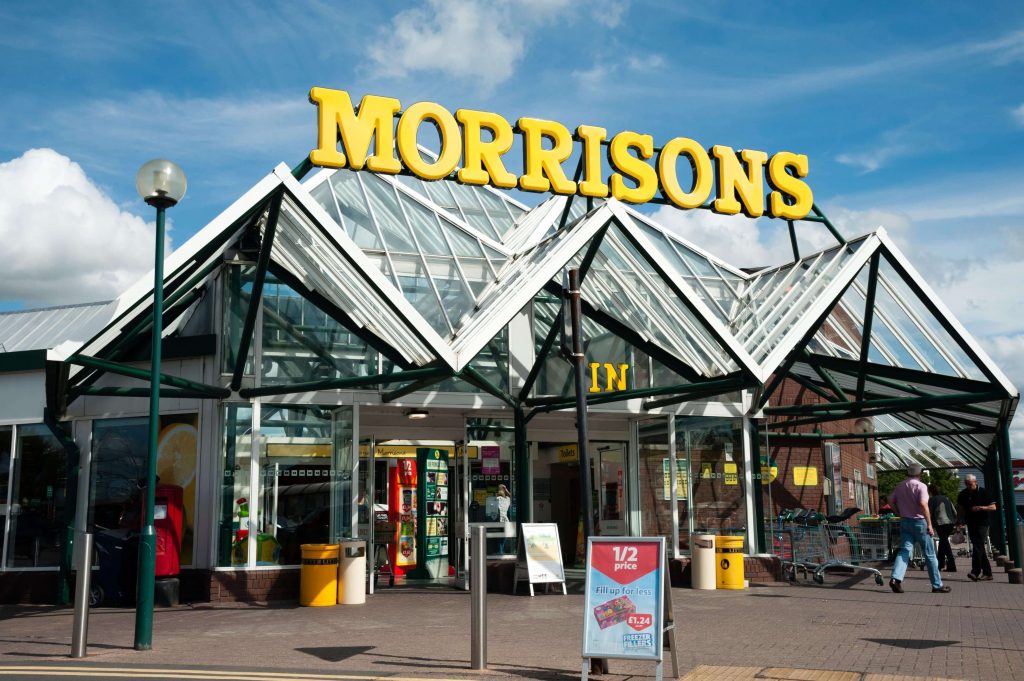
In response to customers stating that reducing plastic is their top environmental concern, Morrisons has introduced a new paper bag aimed at reducing plastic use across the company. The supermarket has also raised the cost of its plastic bags to 15p.
Sainsbury’s
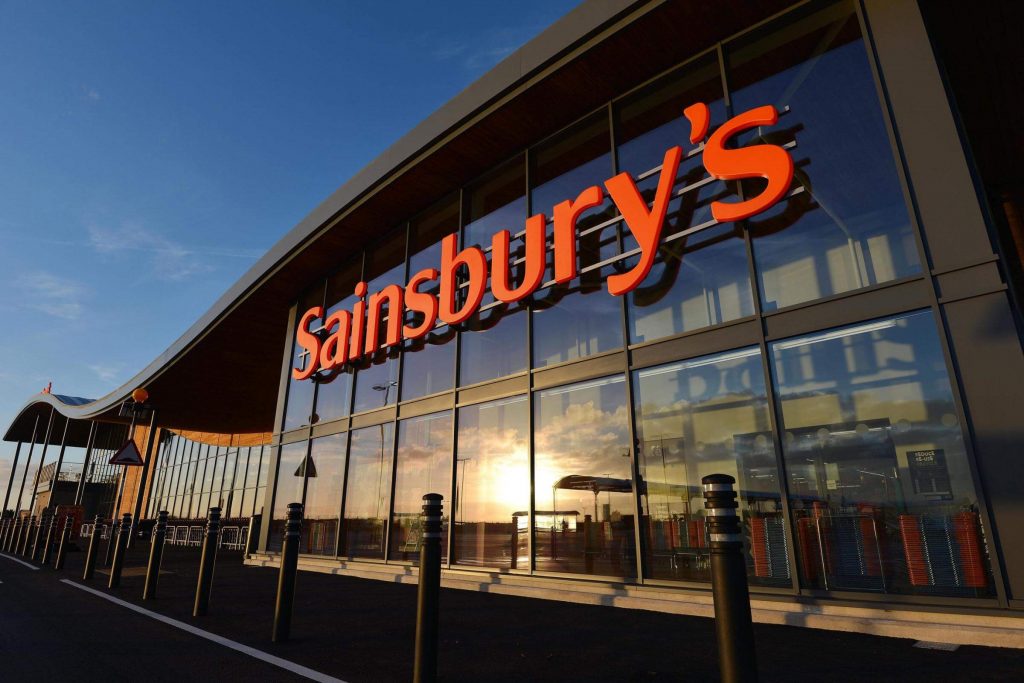
Sainsbury’s has been working to cut its plastic use down for a long time already. Since 2005, the company has reduced its own brand packaging by 35% and almost 40% of its packaging already uses recycled materials.
This year, the supermarket announced it is removing all plastic bags for all loose fruit, veg, and bakery items. Beginning September, paper bags will be available for customers in the bakery section and they can bring their own bags or buy reusable ones (made from 100% recycled materials for 30p) when purchasing fruit and vegetables. They say transition should reduce their plastic output by 489 tons. In addition, the supermarket has vowed to remove plastic cutlery from its stores as well as plastic lids from cream pots and plastic trays for tomatoes and carrots.
Mike Coupe, Sainsbury’s CEO said:
We are absolutely committed to reducing unnecessary plastic packaging in Sainsbury’s stores. Our customers expect us to be leading the way on major issues like this, so I am determined to remove and replace plastic packaging where we can and offer alternatives to plastic where packaging is still required to protect a product.
Another couple of measures Sainsbury’s has taken include the launch of water refill stations at over 300 stores, as well as a series of recycle vending machine recycling trials. With the vending machines, customers can deposit up to 500 items including plastic bottles and aluminum drinks cans in exchange for a coupon that’s worth 5p per item towards their shopping, which means customers could save up to £25 per week.
Judith Batchelar, director of Sainsbury’s Brand, said:
We’re delighted to offer a new way to help our customers recycle while saving on their shop.
Tesco
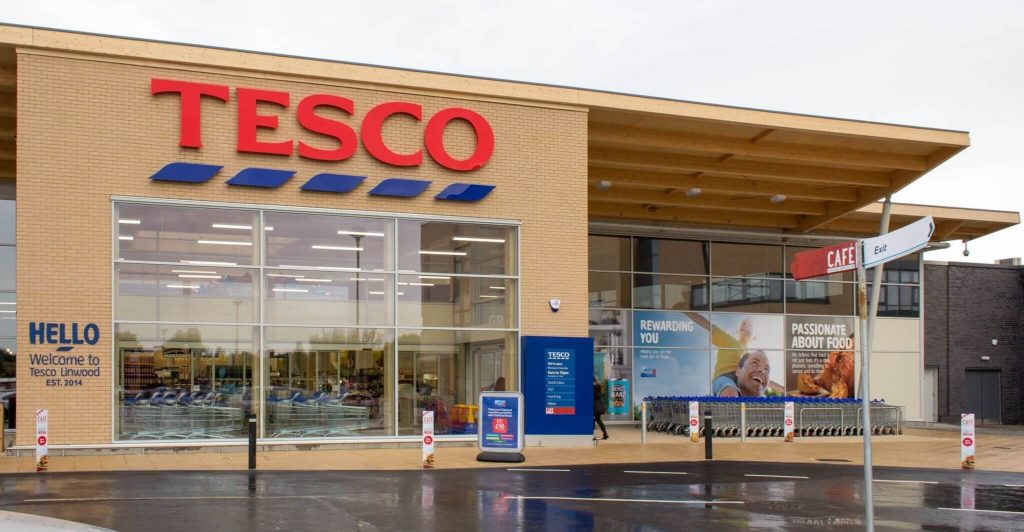
Tesco is launching a trial to remove a selection of plastic-wrapped fruit and vegetables in a bid to cut down on packaging waste. The trial involves the company removing plastic packaging from 45 food products where loose alternatives are available at two of its Extra stores, in Watford and Swindon. In addition, they have stopped using plastic carrier bags to deliver online groceries in a move that will save around two tonnes of plastic a year.
The supermarket further states that by the end of the year it will have removed the hardest to recycle materials from its own-brand packaging. To fulfill this promise, 570 more products now have widely recyclable packaging, and around 3,000 tons of “bad”, hard-to-recycle, plastics have been removed in the process.
For the future, the supermarket has also vowed to ensure that all paper and board used will be 100% sustainable and aims to halve (compared to 2007) packaging weight by 2025.
Waitrose
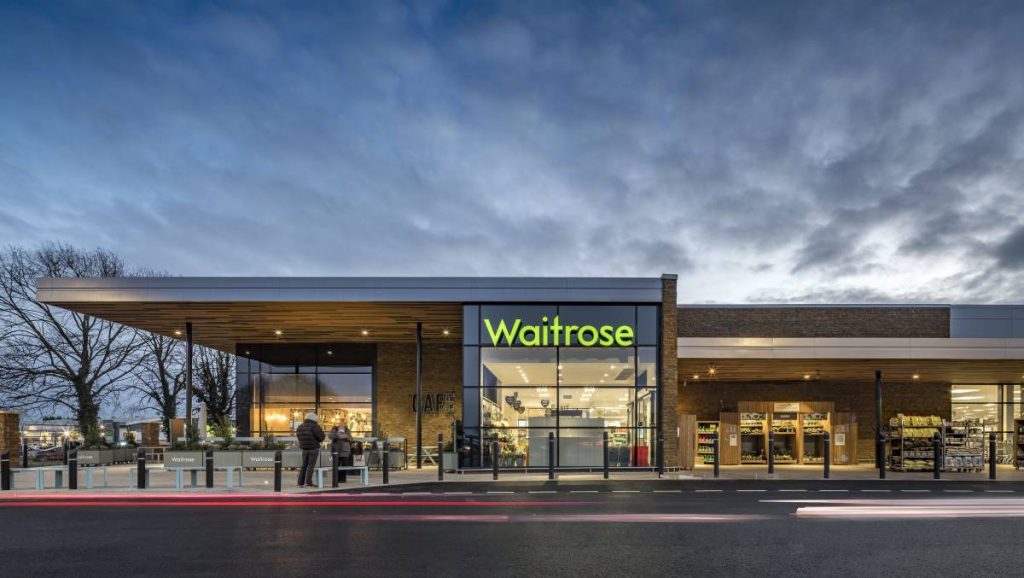
Waitrose no longer sells single-use plastic straws and has removed all takeaway disposable coffee cups from its shops, saving more than 52 million cups a year. The supermarket has also committed to stopping the use of black plastic packaging for all own-label goods by the end of 2019. As a part of this commitment, the supermarket has introduced multicolored recycled trays for its ready meals as part of ongoing efforts to become more environmentally sustainable. This will save 500 tons of black plastic going to landfills and it means the trays are more widely recyclable.
Waitrose packaging manager Karen Graley said:
This is an exciting example of packaging innovation that helps us move even more ready meals out of hard-to-recycle black plastic into a rainbow of recycled content that can be recycled again and again.
The supermarket has also launched a trial allowing customers to fill up their own containers with products ranging from pasta and wine to washing up liquid, as well as the first UK supermarket “pick and mix” for frozen fruit including mango, strawberries, and pineapple.


