
In today’s world, plastic waste has become a major problem for our environment. Landfills are overflowing with non-biodegradable plastics that take hundreds of years to break down, and plastic pollution is harming wildlife and ecosystems across the globe. Biodegradable plastics offer a solution to this issue by breaking down in a relatively short amount of time, reducing pollution and waste. Biodegradable glass is another promising material that is gaining popularity due to its environmental benefits. In this article, we will explore why biodegradable plastic and biodegradable glass are so important for our planet and how they can help us move towards a more sustainable future.
First, we will delve into the science behind these materials and why they offer a great alternative to traditional plastics and glass. From there, we will explore the different uses of biodegradable plastics and biodegradable glass, including their potential applications in industries such as food packaging, agriculture, and medicine. We will also highlight some of the innovative research being done in this field to further develop and improve these materials. By the end of this article, readers will have a thorough understanding of why biodegradable plastic and glass are important and how they can help reduce our impact on the environment.
Biodegradable Plastic: What You Need to Know
Plastic is ubiquitous in our everyday lives. We use plastic items every day, from plastic water bottles to plastic bags, and almost all of them end up in the landfill. Traditional plastics are made from fossil fuels, take hundreds of years to degrade, and release toxic chemicals as they break down. These non-biodegradable plastics are also contributing to the pollution of our oceans and harming the natural environment.
However, there’s a new type of plastic emerging in the market, which promises to tackle the plastic problem. The new type of plastic is known as compostable plastic. Compostable plastic is designed to break down within a few months in industrial composting facilities, creating organic matter that can be used as fertilizer. Compostable plastic is made from materials like polylactic acid (PLA) and bio-based PET, which are derived from corn or sugarcane, and doesn’t contain any petroleum-based plastic.
As our dependence on plastic grows, so does the need for more sustainable alternatives. Enter biodegradable plastic, hailed as the solution to the plastic waste problem. But what exactly is biodegradable plastic, how does it differ from traditional plastics, and is it really as sustainable as it seems? Read on to find out.
What is Biodegradable Plastic?
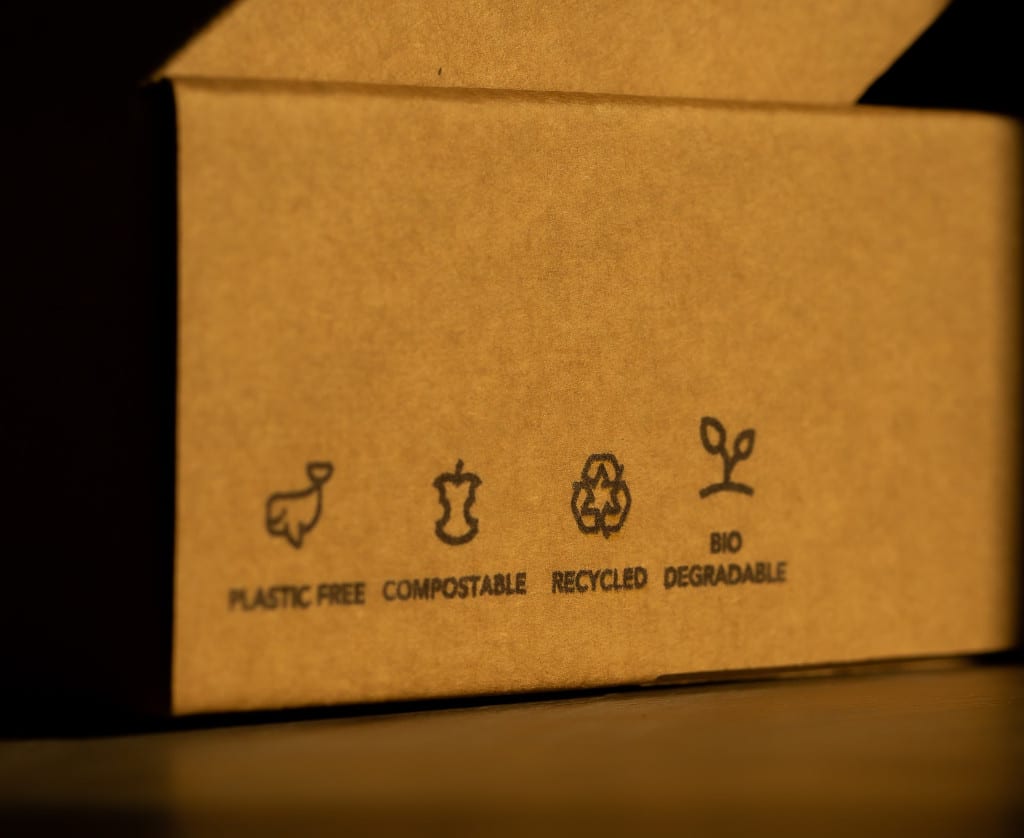
Biodegradable plastic is a type of plastic that can decompose into organic matter when exposed to certain conditions, such as those found in industrial composting facilities. Unlike traditional plastics, which can take hundreds of years to break down and release harmful chemicals into the environment, biodegradable plastics break down into harmless materials that can be absorbed by the natural environment.
Benefits of Biodegradable Plastic
The benefits of biodegradable plastic are clear. It can reduce the amount of plastic waste that ends up in landfills and oceans, and it breaks down into harmless materials that can nourish the natural environment. Additionally, biodegradable plastic production can reduce our dependence on fossil fuels, as it relies on renewable resources instead of petroleum-based plastic.
Challenges of Biodegradable Plastic
Despite the potential benefits of biodegradable plastic, there are still challenges that need to be addressed. For example, while biodegradable plastic items can break down in industrial composting plants, they cannot decompose in regular landfills, where they can still contribute to plastic pollution. Additionally, the biodegradable properties of these materials depend on certain conditions, such as exposure to sunlight and high temperatures, and not every environment can provide these conditions.
Types of Biodegradable Plastics in Consumer Products Today
The increasing concern over plastic pollution has led to a surge in interest in bioplastics, compostable plastics, and biodegradable plastics. These innovative materials have been gaining popularity in the market, appealing to consumers who want to make a positive impact on the environment. Biodegradable plastics, in particular, have emerged as a promising alternative to traditional plastics. With the development of biodegradable plastics like polylactic acid (PLA), polybutylene adipate terephthalate (PBAT), and bio-based polyethylene terephthalate (PET), there is now a wide range of options for eco-friendly packaging and consumer products. In this section, we will examine the different types of biodegradable plastics and how they can potentially revolutionize the way we manufacture and consume goods.
Wheat Straw Bioplastic
Wheat straw bioplastic is a type of biodegradable plastic made from agricultural waste. It’s an eco-friendly alternative to traditional plastics and can be used in various applications such as packaging and utensils. Wheat straw bioplastic is made by combining polymeric material with wheat straw, which is left over after the harvest of wheat crops. The wheat straw acts as a reinforcement agent, giving the bioplastic strength and durability. One of the significant benefits of wheat straw bioplastic is its ability to biodegrade. It decomposes into natural material in the presence of organic matter and microorganisms, making it a natural and sustainable option, unlike petroleum-based plastics that take hundreds of years to degrade. The use of wheat straw bioplastic has been gaining popularity in recent years, with many companies turning to it as a more sustainable alternative.
Simpl Wheat Straw Fiber On-The-Go Mug
Are you on the hunt for a water bottle that is versatile enough to store both hot and cold beverages? Look no further because Simpl’s water bottle mugs have got you covered!

Designed with your comfort and convenience in mind, this water bottle features cutting-edge attributes that will leave you delighted. Boasting a standard capacity of 400ml (13.5oz), the Simpl water bottle is crafted from wheat straw fiber, making it both durable and environment-friendly. Unlike its plastic counterparts, this biodegradable water bottle is easy to clean and store, and it is sure to amaze you with its nice hand feeling and multiple color variants.

The versatility of this tumbler cup with lid is unmatched, making it suitable for coffee, tea, milk, juice, and other beverages. If you’ve been seeking an eco-friendly water bottle that is both durable and practical, look no further because Simpl’s water bottle tumbler provides that and much more.
Pela’s Flax-Based Compostable Products
With a commitment to providing customers with high-quality, sustainable products, Pela proudly uses innovative, plant-based materials, providing a sustainable alternative to synthetic, non-recyclable materials. For example, their Flaxstic material is made from 45% plant-based materials, while their new Clear case’s back panel is made from 100% plant-based materials.

But what really sets Pela apart is its mission to create products with a lifespan of less than one year by offering certified compostable products. Their compostable phone case is certified by third-party certification. It fully composts in under six months without leaving any harmful chemicals or microplastics behind.
In a 12-week compost test, the Pela case almost completely broke down in a composting environment, while a traditional phone case remained largely intact. This is just one of the ways Pela differentiates itself from greenwashing techniques often used in the market.

Choose to join the thousands of people who have switched to Pela, helping to keep over 313,528 pounds of plastic from being produced. By choosing sustainable and environmentally friendly products, you can make a difference and support the movement toward a greener, cleaner future.
Bio-based Polyethylene (PET)
Bio-based PET is a type of biodegradable plastic that is made from renewable resources, such as biomass feedstocks, agricultural waste, or plant-based sugars, and it is considered an alternative to traditional petroleum-based PET. Bio-based PET has similar properties compared to traditional PET; it is lightweight, durable, and versatile, making it ideal for applications such as beverage bottles, packaging, clothing, and other consumer goods.
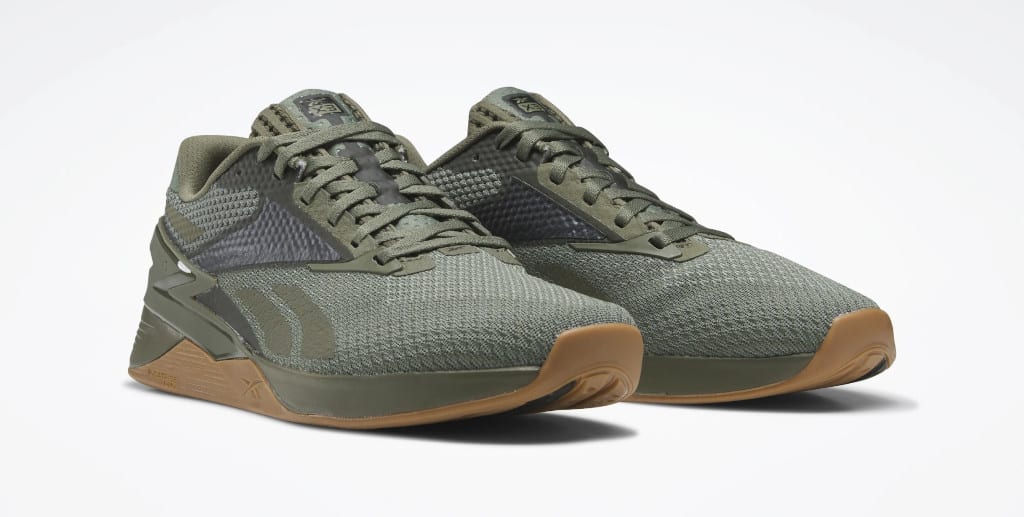
The biodegradability and compostability of bio-based PET depend on the source materials used, but in general, it is considered more sustainable than petroleum-based PET because it reduces our reliance on non-renewable fossil fuels and contributes towards a circular economy. Bio-based PET can be recycled alongside traditional PET, making it an even more practical and sustainable option for everyday use.

Polylactic Acid (PLA)
PLA (polylactic acid) is a bioplastic made from renewable resources, such as corn starch, sugarcane, and other plant sources. It’s a thermoplastic material that’s used in a variety of applications, including packaging, textiles, and 3D printing. The production process of PLA involves the fermentation of plant-based sugars to create lactic acid, which is further polymerized to form PLA. PLA is compostable, which means it can break down into organic matter when exposed to the right conditions, such as in industrial composting facilities. The decomposition process of PLA produces carbon dioxide, water, and organic matter, making it a sustainable alternative to traditional plastics made from fossil fuels. The use of PLA-based products reduces the dependency on non-renewable resources and reduces the carbon footprint of the plastic industry.
Biodegradable PLA Cups for Business and Events
These eco-friendly compostable cups are made from Nature Works polylactic acid (PLA), derived from corn grown in the USA. These cups provide a sustainable alternative to petroleum-based plastic cups that result in negative environmental consequences.
These compostable cups meet the ASTM D6400-99 certification for “compostable plastics” and are fully biodegradable and compostable, breaking down into water, carbon dioxide, and organic material. These cups are indistinguishable from normal plastic cups and are lightweight and durable, with a strength comparable to traditional plastic cups.
Using compostable cups made from readily renewable resources like corn, rather than petroleum-based plastic cups, helps to reduce environmental pollution and toxicity.
It’s to be noted that composting is required for biodegradation. These cups can biodegrade within 180 days in a commercial composting facility but may take longer to decompose in a home composting system.
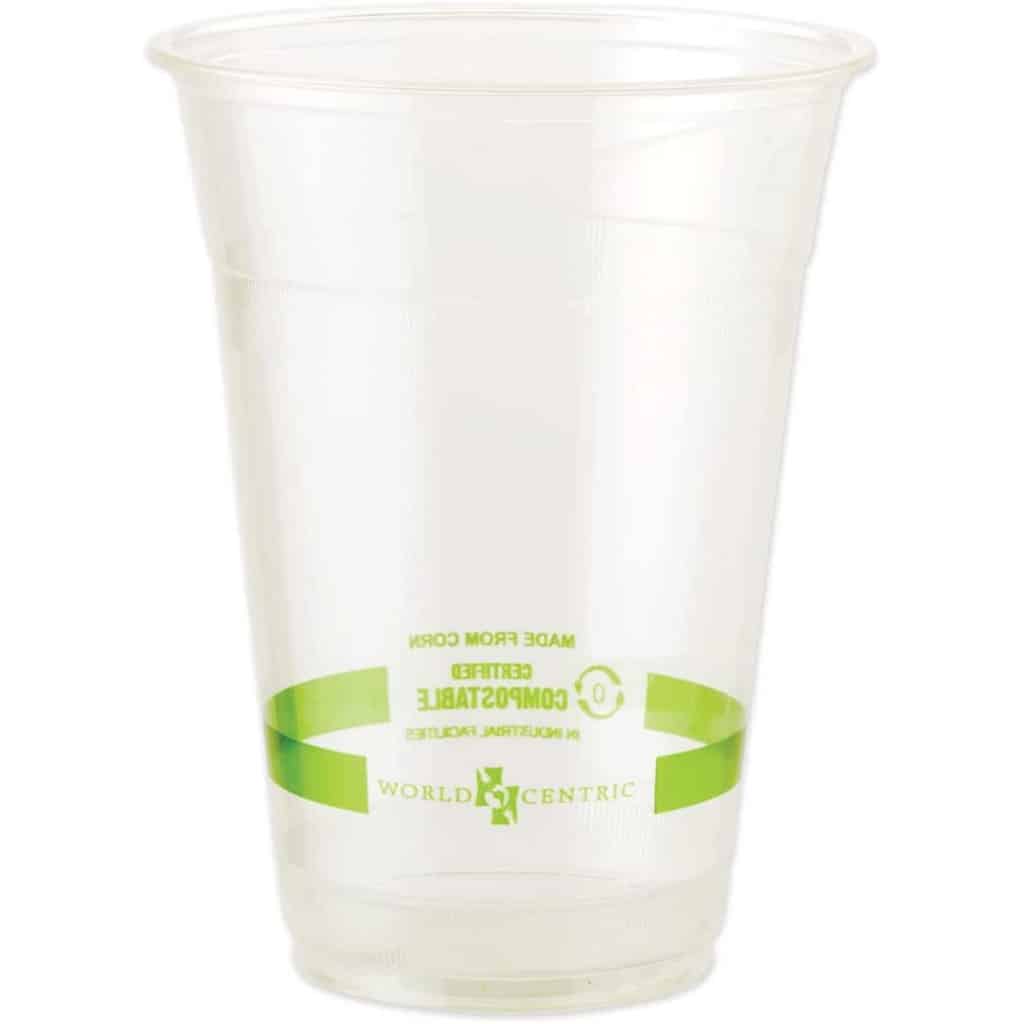
To distinguish them from regular plastic cups, these biodegradable cups feature a “Bicompostable logo” and “This cup is made from corn and is 100-percent compostable” printed in green on one side. This facilitates sorting in municipal recycling and composting facilities, promoting proper disposal.
These compostable cups are an excellent option for individuals seeking a sustainable alternative to traditional plastic cups that harm the environment. With a limit of 110F for hot drinks, these compostable cups are perfect for small events and gatherings, offices, and personal use at home. Choose to make a difference in the environment by choosing compostable cups made from renewable resources.
Polybutylene Adipate-co-terephthalate (PBAT)
PBAT is a biodegradable copolymer made from four main components: 1,4-butanediol (BDO), adipic acid (AA), terephthalic acid (TA), and optionally, starch. The acronym PBAT stands for polybutylene adipate-co-terephthalate. PBAT is a biodegradable polyester that decomposes under industrial composting conditions (high temperature and high humidity). It is used in various applications such as packaging films, shopping bags, and agricultural films. PBAT is a promising bioplastic as it’s derived from renewable resources and can biodegrade into natural substances, potentially reducing the amount of waste that ends up in landfills.
Free The Ocean PLA, PBAT, and Recycled Ocean Plastic Products
Free The Ocean’s product line is carefully curated to cater to different lifestyles and needs, offering biodegradable sponges, reusable dishcloths, and dryer balls as alternatives to single-use laundry sheets. Free The Ocean is committed to promoting a plastic-free future for all. With every purchase, the company removes ten pieces of plastic from oceans and coastlines. Their strong partnerships with Sustainable Coastlines Hawaii and Parley demonstrate their firm commitment to removing plastic waste from our oceans and the planet.

The company goes the extra mile to ensure all its products are shipped carbon-neutral and with plastic-free packaging, thereby minimizing its carbon footprint on the environment. By choosing Free The Ocean’s sustainable product line, you’re supporting a business that values transparency, quality, and long-term environmental conservation.

Their working relationships with small businesses that share similar values underscore their focus on creating a better tomorrow. In addition to safeguarding the environment, every purchase helps in the fight to protect our health as well, as plastic pollution has been linked to a host of health problems.
If you’re looking to make a worthwhile impact on the environment and preserve your health, Free The Ocean is the perfect place to purchase your eco-friendly and sustainable products. Convert your daily actions into a ripple effect with Free The Ocean’s sustainable product line.
Biodegradable Glass: The Future of Sustainable Green Packaging
Glass is a popular and versatile material that has been used for many different applications over the centuries. However, as concerns over environmental sustainability continue to grow, there is an increasing need for more eco-friendly forms of glass production and use. One approach that is gaining traction is the development of biodegradable, or biorecyclable, glass that can be safely broken down or recycled after use without leaving behind any harmful residues.
Efforts to make glass biodegradable have resulted in the emergence of “green glass” materials, which are designed to mimic the look, feel, and functional properties of traditional glass while also being environmentally friendly. One of the most popular applications for biodegradable glass is in the production of glass bottles, which are a common source of waste and litter in many parts of the world. By using biodegradable glass bottles, consumers can enjoy the benefits of traditional glass packaging while also reducing their impact on the environment.
There is a lot of potential for the emerging field of biorecyclable glass and the potential benefits it offers to the sustainable production of glass products.
What is biodegradable glass?
Unlike traditional glass, which can take hundreds of years to decompose and may release harmful chemicals into the environment, biodegradable glass is a material that breaks down naturally over time. It’s made from a combination of organic compounds and silica and can be created from sustainable materials.
The key difference between biodegradable glass and conventional glass lies in the materials used to make them. While traditional glass is made primarily from sand, soda ash, and limestone, biodegradable glass incorporates responsible ingredients that are sourced sustainably. These materials are designed to decompose naturally and safely without causing any harm to the environment or wildlife.

Why is biodegradable glass important?
In addition to its potential to reduce plastic waste and break down without leaving toxic residue behind, biodegradable glass is also an important step toward the creation of sustainable glass products. While traditional glass can be recycled, the process requires a significant amount of energy and can be costly. Biodegradable glass, on the other hand, is made from sustainable materials and breaks down naturally over time, reducing the need for energy-intensive recycling processes.
With the amount of plastic waste in our oceans and landfills continuing to rise, there’s an urgent need for more sustainable alternatives to single-use packaging. Biodegradable glass offers a promising solution, as it can be used to create durable and long-lasting products, such as bottles, jars, and cups, without contributing to the plastic waste problem.
One of the most exciting aspects of biodegradable glass is its wide range of potential uses. From food and beverage packaging to cosmetic products and even industrial applications, this material has the potential to replace conventional glass in a variety of settings. Glass with biodegradability also offers more design flexibility than conventional glass, making it ideal for use in creative, innovative projects that demand new thinking and new solutions. As society becomes increasingly focused on sustainability and reducing our impact on the planet, biodegradable materials like biodegradable glass will become more and more important in helping us achieve our goals.
How is biodegradable glass made?
Biodegradable glass is made from a combination of amino acids, peptides, and silica, which can be sourced from natural materials such as sand and rice husks. These materials are processed and molded into glass-like structures that are strong, durable, and can be shaped to fit various packaging needs.
One promising type of biodegradable glass material is biomolecular glass, which is made from chains of amino acids, peptides, and derivatives of amino acids. This material is attractive for several reasons. First, it has excellent mechanical properties, such as high strength and thermal stability, which make it suitable for use in a range of applications. Second, it is flexible in terms of processing and can be molded into a variety of shapes and sizes during glass manufacturing. Third, it is derived from biological sources, making it a sustainable and eco-friendly glass material.
The manufacturing process for biomolecular glass is relatively straightforward. The starting materials, which are accessible raw materials, are mixed in a solvent to create a homogenous solution. This solution is then slowly evaporated, causing the molecules to gradually form a glassy structure. This process can be modified to control the final properties of the glass, such as its thermal stability and mechanical strength. The resulting product is a biodegradable glass material that has a range of potential applications, from food packaging to implantable medical devices.
What are the benefits of biodegradable glass?
Biodegradable glass is often referred to as “green glass” or “eco glass” due to its eco-friendly properties. As more consumers become aware of the environmental impact of traditional glass and plastic packaging, there is a growing demand for sustainable alternatives. Biodegradable glass offers a promising solution that can meet this demand while also offering added benefits such as increased design flexibility and reduced environmental impact. As such, it’s likely that we will see increased investment and innovation in the production and use of biodegradable glass in the years to come.
In addition to its sustainability benefits, biodegradable glass offers numerous advantages over traditional glass and plastic packaging. For starters, it’s completely recyclable and can be broken down into its basic components and reused to create new products. It’s also resistant to heat and can be used to store both hot and cold beverages, making it a versatile choice for companies looking to reduce their environmental impact.

What’s the future of biodegradable glass?
While biodegradable glass is still a relatively new concept, its potential for disrupting the single-use packaging industry is huge. Major companies such as Heineken and PepsiCo have already begun exploring the use of biodegradable glass for their products, and more are sure to follow as consumer demand for sustainable alternatives continues to rise.
In addition to a potential application in the beverage industry, biodegradable glass has been identified as a promising material for use in medical devices and solar panels. The flexibility in processability of biodegradable glass makes it an ideal candidate for the manufacturing of flexible and easily shapable solar panels. Furthermore, biodegradable glass is a strong contender for medical devices as it shows potential in reducing the negative impact of certain medical waste products that are harmful to the environment.
With a range of possible applications, from packaging to electronic devices, biodegradable glass shows promise as a major factor in the development of new and more eco-friendly products. Retail companies are already exploring its use in green packaging solutions, and the production of eco-friendly glass will significantly reduce the amount of waste generated by discarded glass items. Moreover, biodegradable glass presents excellent glass performance, and the biorecyclability features of biological origin can facilitate its disposal and reuse.
Conclusion
Looking forward, it’s clear that biodegradable glass will play an increasing role in the development of new, eco-friendly technologies. The circular economy, as it is called, is driving the use of recycled glass and the production of novel glass substrates has been identified as a major area for research and development. Furthermore, scientists are investigating ways to use biologically-sourced materials to enhance the properties of commercially-used glasses, leading to greener, more sustainable products. As eco-friendly practices continue to be a priority across all sectors, the future of biodegradable glass looks incredibly bright.
Overall, biodegradable glass is an important step towards sustainable glass manufacturing. By utilizing natural and eco-friendly ingredients, biodegradable glass offers a promising alternative to traditional glass, which can take thousands of years to decompose in landfills. With the continued development of biomolecular glass and other biodegradable ingredients, there is great potential for the creation of a more sustainable and eco-friendly world.
Biodegradable glass is a truly exciting innovation that has the potential to transform the way we think about packaging. By using sustainable materials that decompose naturally over time, biodegradable glass is a major step forward in the fight against plastic waste and climate change. As further research and development is conducted, we can expect to see more widespread adoption of biodegradable glass in the coming years, offering a more sustainable future for our planet and its inhabitants.


