
Technology has been advancing exponentially, bringing about various innovations that have transformed how we live and do business. One of the major areas that these tech advancements have greatly impacted is internet plans. The emergence of cutting-edge technologies like 5G, the Internet of Things (IoT), and artificial intelligence (AI) has compelled internet service providers to adjust and transform their offerings to stay abreast of the dynamic tech environment. This article delves into the influence of technological advancements on internet plans, examining their repercussions on both consumers and providers in the digital era.
Evolution of Internet Plans: From Dial-Up to High-Speed
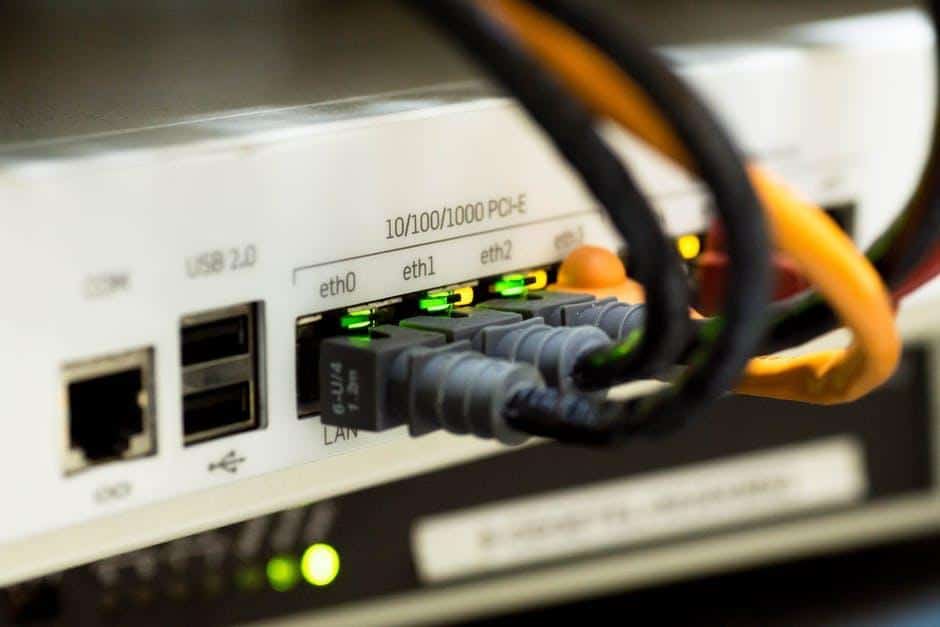
The evolution of internet plans can be traced back to the early days of dial-up connections, where users had to use their phone lines to access the internet. However, as technology advanced, so did the demand for faster and more reliable internet speeds. This led to the development of high-speed internet connections such as DSL and cable. However, owing to recent technological advancements, fiber optic internet has emerged as the cornerstone of future internet connectivity.
According to Clearwave Fiber, fiber internet provides the reliability and secure connectivity all businesses need now and in the future. Due to its capacity to deliver swift speeds, increased bandwidth, and reduced latency, fiber internet packages have garnered widespread popularity among both businesses and consumers.

Emergence of 5G: Impact on Internet Plans
5G has emerged as one of the most discussed technological breakthroughs in recent times. This next-generation wireless technology promises to provide lightning-fast internet speeds, lower latency, and increased capacity for connected devices. With the rise of 5G, internet service providers are faced with the challenge of upgrading their existing infrastructure to support this new technology.
Upgrades mean investing in new equipment and infrastructure to deliver 5G internet plans to their customers. While this may lead to higher costs for providers, it also opens up new opportunities for businesses and consumers who can now access faster internet speeds on their devices. The increased capacity of 5G networks allows for a wider range of connected devices, paving the way for the growth of IoT.
IoT and Smart Homes Change How We Use Internet
The Internet of Things (IoT) has significantly transformed our daily technological interactions. With the ability to connect various devices and appliances, IoT has paved the way for smart homes that can be controlled through a smartphone or voice assistants. This has greatly impacted internet plans as these connected devices require constant internet access to function effectively.
From thermostats and security systems to kitchen appliances and entertainment systems, smart home technology has changed how we use the internet in our homes. This increased demand for reliable and high-speed internet has led to the development of specialized plans to cater specifically to smart home users.

AI and Personalized Internet Plans: Future Prospects
Internet plans have also witnessed the profound influence of Artificial Intelligence (AI). Leveraging its capacity to gather and process extensive data sets, internet service providers harness AI to deliver tailored plans and services to their clientele.
Providers can tailor internet plans that cater to individual needs and preferences by understanding consumer behavior and usage patterns. This not only improves the user experience but also helps providers optimize their resources and improve overall efficiency. In the future, we can expect to see more personalized internet plans being offered as AI continues to advance and become an integral part of our daily lives.
ISP’s Face Challenges in Meeting Demand
As technology progresses, the expectations of knowledgeable tech consumers rise in tandem. This poses a challenge for internet service providers, who have to constantly upgrade their infrastructure and services to keep up with these evolving demands. While the expense of upgrading equipment and technologies can be substantial, neglecting to do so could lead to customer attrition as they seek out competitors providing quicker and more dependable internet services.
Providers also face the challenge of balancing these investments with maintaining affordable prices for their customers. Given the continuous emergence of new technological advancements, providers are compelled to constantly adjust and develop to satisfy the requirements of a technology-centric consumer base.

Data Privacy and Security in the Age of Tech
As we become more reliant on technology and the internet, data privacy and security have become major concerns for both consumers and providers. With the rise of IoT and smart devices, personal information is constantly collected and shared through our connected devices. As a result, there has been a surge in the adoption of more stringent data privacy rules like the General Data Protection Regulation (GDPR) in Europe and the California Consumer Privacy Act (CCPA) in the United States. Internet service providers also face the challenge of ensuring the security of their networks and protecting customer data from cyber threats.
Government Regulations Shape Internet Plans
Government regulations aim to protect consumer data and privacy and help create a level playing field for providers in terms of competition and pricing. Governments also promote access to high-speed internet for all citizens, especially those in rural or underserved areas. At times, governments have offered incentives to encourage providers to enhance infrastructure and technologies, thus boosting internet accessibility for their populace. As technology progresses, the influence of government regulations is poised to significantly impact the trajectory of internet plans, guaranteeing equitable and cost-effective access to all individuals.

Evolving Internet Plans Adapt to the Impact of Tech
The impact of tech innovations on internet plans has been significant and continues to shape the way we access and use the internet. From the evolution of internet connections to the emergence of 5G, IoT, and AI, these advancements have brought about faster speeds, increased capacity, personalized plans, and improved user experiences. However, along with these benefits come challenges for internet service providers, such as the need to constantly invest in new technologies and infrastructure while balancing costs for their customers. As we move towards a more connected future, providers must adapt and evolve with technology to meet the demands of a tech-driven consumer market.


