
As energy costs continue to rise, many homeowners are looking for ways to take control of their bills and reduce the impact of rising energy costs on the environment. It’s evident that solar is an increasingly popular choice for those seeking sustainable and cost-effective solutions—and solar has come a long way from its early days as a niche market. Nowadays, solar technology offers more than ever before when it comes to savings, efficiency, and scalability; these features allow homeowners the flexibility to invest in solar power in small increments or large leaps.
In this guide on future home energy solutions using solar panels, we will discuss all you need to know as a homeowner interested in making the jump into renewable energies while saving money! From basic installation questions to what systems are available on the market today – we have you covered!
Understand your home’s energy needs
No matter what type of home you have, understanding its energy needs is one of the most effective ways to reduce your carbon footprint and make a positive impact on the environment. To do this, you’ll need to analyze your energy usage, consider your home’s insulation, and find ways to reduce demand. By doing so, you may discover areas where you’re wasting energy or where you could make some simple changes that will help you save money and reduce your environmental impact.
With a little bit of effort, you can create a home that is both comfortable and sustainable and feel good about the impact you’re making on the world. One of the benefits of solar panels is that they are scalable and can be used to meet your home’s needs as they change or grow. This means that, as you make changes to your home or lifestyle, you can adjust the size and power of your solar system accordingly.

Learn about the different types of solar systems available
As more and more people become environmentally conscious, the popularity of solar energy has skyrocketed. But as a homeowner, it can be tough to know where to start! There are two main types of solar systems you might want to look into: photovoltaic (PV) and solar thermal. Each one serves a different purpose.
A PV system might be right for you if you want to generate electricity using the sun’s power. However, if you’re going to heat your home or water supply, you’ll want a solar thermal system. Either way, investing in solar technology can help you save money on your energy bills in the long run and reduce your carbon footprint.
Investigate the financial benefits of a home solar system
Investigating the financial benefits of installing a home solar system can certainly be an exciting venture for any homeowner. Beyond the reduction in energy bills, solar systems come with several financial incentives that can provide long-term savings. One such incentive is the Federal Solar Tax Credit, which can help reduce the cost of purchasing a system by up to 26%. State and local governments may also offer tax credits and rebates to homeowners who switch to solar energy.
Additionally, many financing options, including solar-specific loan programs and leases, allow homeowners to pay for their solar systems through manageable monthly payments. In summary, the benefits of investing in a home solar system extend well beyond environmental responsibility. The potential for significant financial savings means that going solar can help you save money in the long term.
Research local regulations around solar installations
If you’re considering going solar, it’s crucial to research the local regulations around solar installations before you begin. This includes permits and zoning laws, which can vary depending on where you live. Obtaining the proper permits and following zoning laws not only ensures that your solar installation is safe and meets local requirements, but it can also save you potential headaches down the road.
Don’t let local regulations hold you back from achieving the benefits of solar energy – take the time to research and ensure your installation complies with the law.
Hire a competent solar installer to ensure a quality installation
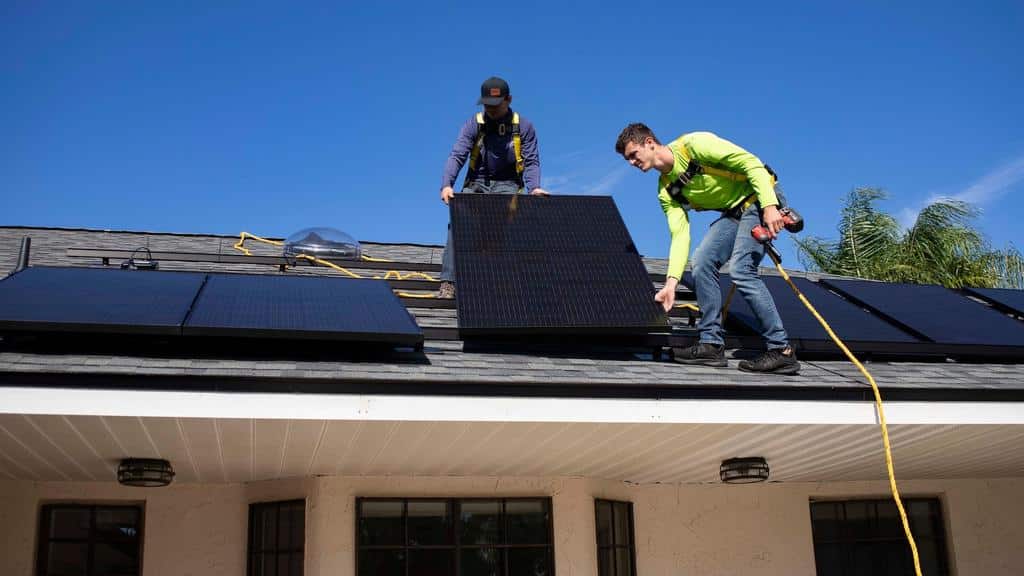
Switching to solar energy can greatly lower your carbon footprint and reduce your energy bills. However, installing solar panels requires more than just buying and plugging the equipment in. Hiring a competent solar installer is crucial to ensuring that your panels are installed correctly and efficiently.
A qualified installer can assess your energy needs, recommend the best equipment for your home, and install your panels safely and quickly. They can also perform regular maintenance to keep your panels working at their best, so you can enjoy the full benefits of solar energy for years to come.
So don’t take any chances with your solar installation – invest in a competent solar installer to ensure the job is done right.

Explore the many other benefits of using solar power for your home
As the world becomes more environmentally conscious, the benefits of solar power for households are becoming increasingly apparent. Not only does solar power reduce your carbon footprint, but it also increases the efficiency of your home.
You can take advantage of incentives and tax credits to save money and turn your home into a money-making asset. In addition, solar power is a reliable energy source that will never disappoint you. So if you’re looking for a sustainable and affordable solution to your energy needs, solar power is the way to go.
Conclusion
Solar energy has many benefits for the home and wallet. From reduced energy bills to increased efficiency, solar is a great investment opportunity that will yield numerous rewards over time. However, buying a solar system requires careful consideration and research, as several different types of plans are available, and there are myriad factors to consider.
Understanding essential items such as your home’s energy needs, potential financial incentives, local regulations, and installer qualifications are crucial steps that should be incorporated into any solar purchase decision. Ultimately, transitioning towards clean energy sources like solar is invaluable in terms of both the environment and overall monetary savings; it will surely produce positive results for you and your family for years to come.


