
Global dietary needs are rapidly shifting due to significant environmental changes. These alterations impact food availability, nutritional content, and health outcomes.
Rising temperatures affect crop yields, while increased pollution compromises food safety. Understanding how these factors shape our diets is essential for addressing future challenges.
To help you get started, this article explores several ways environmental changes influence our nutritional needs.
1. Soil Degradation Reduces Nutrient Density
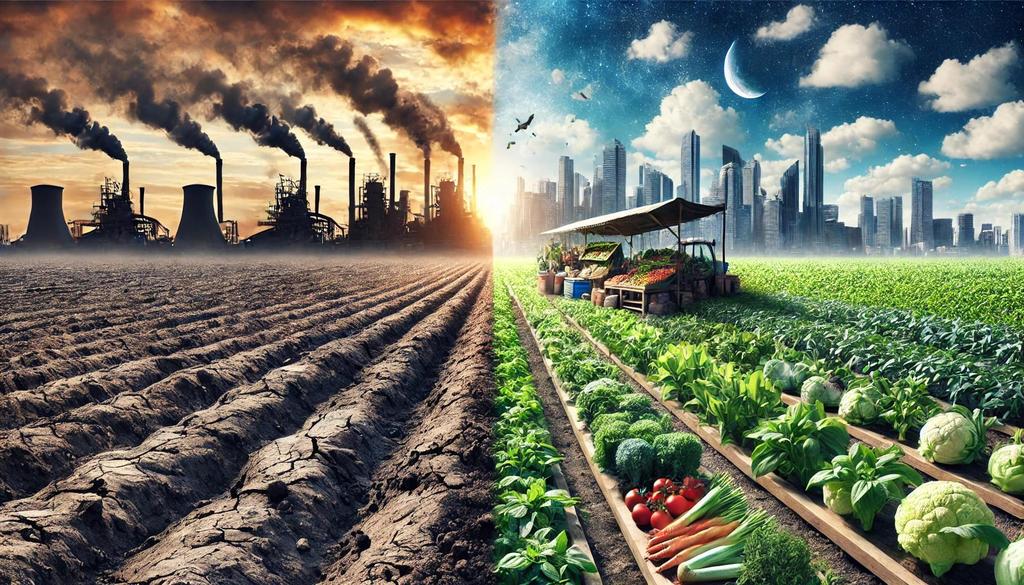
Modern agricultural practices rely on synthetic fertilizers and pesticides, which can deplete soil nutrients over time. When the soil lacks essential minerals, its crops may have lower nutritional value.
For instance, vegetables grown in degraded soils might contain fewer vitamins and minerals than those from healthy soils. As a result, individuals might need to consume larger quantities of certain foods to meet nutritional requirements, which can be challenging.
To address the nutritional gap, consider using dietary supplements. Fortunately, some stores allow you to use your HSA/FSA to buy supplements, saving you money while ensuring you stay healthy.
2. Pollution Impacts Food Safety
Pollution from industrial activities, vehicular emissions, and agricultural runoff introduces harmful chemicals into the food supply. Heavy metals like lead, chromium, and mercury can accumulate in crops and fish, posing health risks.
You need to be aware of where your food comes from and how it’s grown or harvested. Ideally, look for organic options or local farmers’ markets with transparent practices to minimize exposure.
Moreover, frequent testing of water sources used in agriculture can prevent contamination. You might also benefit from incorporating detoxifying foods like leafy greens and citrus fruits into your diet to help mitigate pollution’s impact on your body.
3. Extreme Weather Disrupts Supply Chains
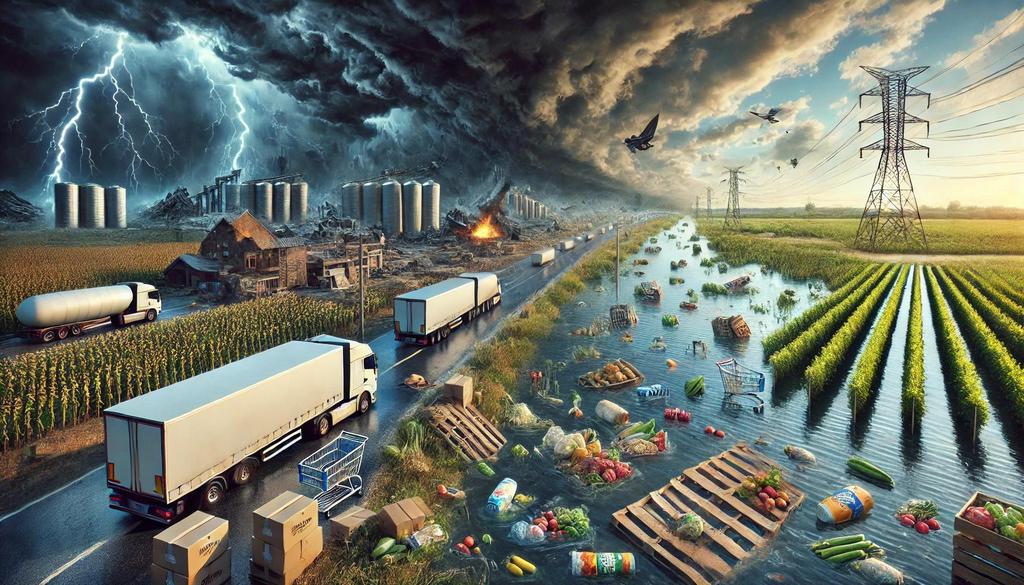
Climate change also intensifies extreme weather events, causing frequent floods, droughts, and storms. Such disruptions can devastate crops and livestock, leading to food shortages and price hikes.
It would help if you prepared for these disruptions by diversifying your food sources and building a resilient pantry. So, stock up on non-perishable items, such as canned goods, grains, and legumes.
Also, support local farms that use sustainable practices since they are often better equipped to handle weather extremes. Community-supported agriculture (CSA) programs could be a great way to ensure access to fresh produce even when supply chains falter.
4. Altered Growing Seasons
In addition to intensifying weather events, climate change shifts growing seasons for many crops. Warmer winters and unpredictable frosts can throw off planting schedules, leading to lower yields and reduced availability of certain foods.
Moreover, some crops might no longer thrive in traditional regions, forcing a shift to new areas with suitable climates. Individuals should stay informed about these changes and adjust their diet accordingly.
Incorporating different foods into your meals can help maintain balanced nutrition despite seasonal fluctuations. Also, keep an eye on emerging agricultural trends that might introduce new, climate-resilient crops to the market.
5. Climate Change Affects Crop Yields
Rising temperatures and increased CO2 levels significantly impact crop productivity. While some plants might benefit from higher CO2, others struggle with heat stress, reducing yields.
For example, staple crops like wheat and maize are particularly sensitive to heat, leading to lower production in many regions. Consequently, such produce might become more expensive or less available.
It’s crucial to explore alternative grains, such as quinoa or millet, which may be more resilient under changing climate conditions. Furthermore, focusing on sustainable farming methods like agroforestry and regenerative agriculture can boost resilience against climatic shifts while maintaining nutrient-rich produce.

6. Water Scarcity Limits Agriculture
Lastly, climate change-induced water scarcity poses a significant threat to agriculture. Droughts and shrinking freshwater sources limit the availability of water for irrigation.
When farmers can’t adequately irrigate their crops, yields drop, and food prices soar. The impact can be devastating in regions heavily reliant on water-intensive crops like rice or almonds.
To adapt, prioritize water-efficient crops such as sorghum or chickpeas in your diet. Moreover, it supports agricultural innovations like drip irrigation and rainwater harvesting that help conserve water resources.
How Climate Change Reshapes Our Diets and Health Choices
Climate change is not a hoax. It’s reshaping our world and diets in unexpected ways. Staying informed about how environmental changes affect nutritional needs helps you adapt proactively.
So, take charge of your health. Opt for sustainable food choices, diversify your diet, and explore innovative farming practices. Your efforts make a difference in navigating these environmental challenges effectively.


