
In today’s world, sustainability influences every facet of our lives, including our end-of-life planning. Making environmentally responsible decisions serves not only as a farewell but also as a meaningful example for future generations.
By choosing sustainable options, you can leave a lasting impact that inspires loved ones to consider their own environmental footprints. Every choice you make—from the materials you select to the way you commemorate your life—can contribute to a collective movement towards greater respect for our planet.
This article will explore the essential aspects of ensuring your final send-off aligns with your commitment to the planet. We will focus on practical ways to incorporate eco-friendly practices into planning a celebration of life.
Understanding the Impact of Traditional End-of-Life Choices
You begin by assessing the traditional approaches to end-of-life ceremonies and their environmental footprints. This evaluation prompts you to explore sustainable alternatives that not only honor your life but also protect the planet. As you embark on this journey, you’ll discover options that resonate with your values and minimize ecological impact while providing meaningful tributes for your loved ones.
Many conventional end-of-life practices, such as embalming and traditional burials using metal caskets, contribute to environmental degradation due to the substances involved. Understanding these influences allows you to make choices that reflect your commitment to sustainability.
- Embalming fluids may leak harmful chemicals into the soil, jeopardizing both soil health and groundwater quality.
- The use of non-biodegradable materials in burials disrupts the natural decomposition process.
By acknowledging these issues, you can begin to explore more eco-friendly alternatives for your farewell. Ultimately, your choices can pave the way for greener practices within your community, encouraging dialogue about sustainable end-of-life options. Embracing this mindful approach not only honors your legacy but also fosters a culture of environmental stewardship for generations to come.
Exploring Eco-Friendly Alternatives
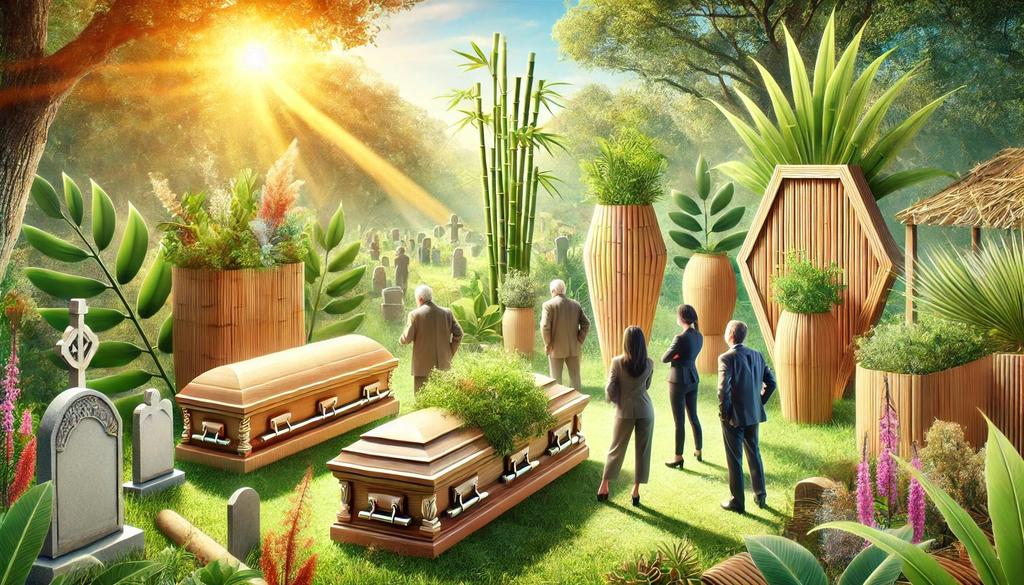
Armed with knowledge, you turn your attention to eco-friendly alternatives that honor both your life and the planet. You may find that options like biodegradable caskets, natural burial sites, cremation with minimal emissions, or even whole-body donation in Florida or other metro regions align perfectly with your values. Exploring these choices allows you to create a meaningful farewell that reflects your dedication to sustainability while providing comfort to those who remain.
- Biodegradable caskets or urns made from natural materials such as bamboo, willow, or even recycled paper offer sustainable choices that minimize environmental impact. These materials allow you to return to the earth in a manner that supports the natural cycle of life.
- Another transformative approach is the choice of a natural or conservation burial. These burials forego traditional headstones and instead use native trees or shrubs to mark the resting place, contributing to restoring natural habitats and creating a living memorial.
Such alternatives not only reduce the ecological footprint but also provide a serene final resting place that maintains the beauty and balance of nature. By selecting these environmentally conscious practices, you not only honor your values but also contribute positively to the ecosystem. In doing so, you cultivate a legacy that resonates with others, inviting them to consider their own choices in support of a healthier planet.
Planning a Celebration of Life with Sustainability in Mind
Planning a celebration of life integrates sustainability into every element, from the location to the materials used in the ceremony. You can opt for venues that prioritize eco-friendly practices, such as those powered by renewable energy or situated in natural settings. Additionally, using biodegradable decorations and locally sourced catering can enhance the celebration while minimizing waste and supporting the community.
- Opt for digital invitations to reduce paper waste and consider venues that practice sustainability, such as community gardens or natural preserves, which resonate with your commitment to the environment.
- For the ceremony itself, you can choose organic flowers or even donate to environmental causes in place of traditional flower arrangements.
- Catering can also reflect environmental values by selecting local, organic foods, minimizing waste by planning accurate headcounts, and using compostable dishes and utensils.
By thoughtfully considering these elements, you create an event that not only honors your life but also demonstrates a deep respect for the planet. This intentional approach provides a meaningful experience for attendees while encouraging them to embrace sustainable practices in their own lives.

Engaging and Educating Others
Your choice to plan an environmentally responsible celebration of life is also an opportunity to engage and educate friends, family, and the community about the importance of sustainable practices. This shared experience can inspire meaningful conversations about environmental stewardship and motivate others to consider their own impact on the planet. By exemplifying these values, you help create a ripple effect that fosters awareness and encourages collective action toward a more sustainable future.
- By sharing your decisions and their reasons, you inspire others to consider eco-friendly options in their own planning.
- Include educational components in your celebration, such as brochures about conservation burial or information on reducing one’s carbon footprint, even in farewell. This will make your celebration more impactful, spread awareness, and encourage a broader shift toward sustainability in end-of-life choices.
Ultimately, integrating these educational elements not only enriches the experience for attendees but also plants the seeds for long-term change in how we approach life celebrations. This thoughtful approach can transform a personal farewell into a powerful movement, rallying your community around the shared goal of ecological responsibility.
Crafting a Green Legacy: Thoughtful End-of-Life Decisions that Honor the Earth
As you plan your final farewell, your choices echo a commitment to a life well-lived and a legacy of respect for the natural world. Making environmentally responsible end-of-life decisions is a profound way to ensure that loved ones and the planet remember your legacy.
Each decision you make can influence others, foster a culture of sustainability, and contribute to a healthier earth. By planning a celebration of life that respects the planet, you’ll pave the way for future generations to follow in footsteps that tread lightly on the earth.

