
The chief of NHS England has warned Britain of a new “health emergency.” Figures revealed hundreds of children and adults suffering from cardiac arrests, strokes, or severe asthma attacks caused by air pollution.
In a study, researchers from King’s College London and UK100 found a significant rise in the number of hospital admissions for these particular three health conditions on days with high air pollution. This news is not surprising, due to previous government data that revealed pollution contributing to 36,000 deaths each year.
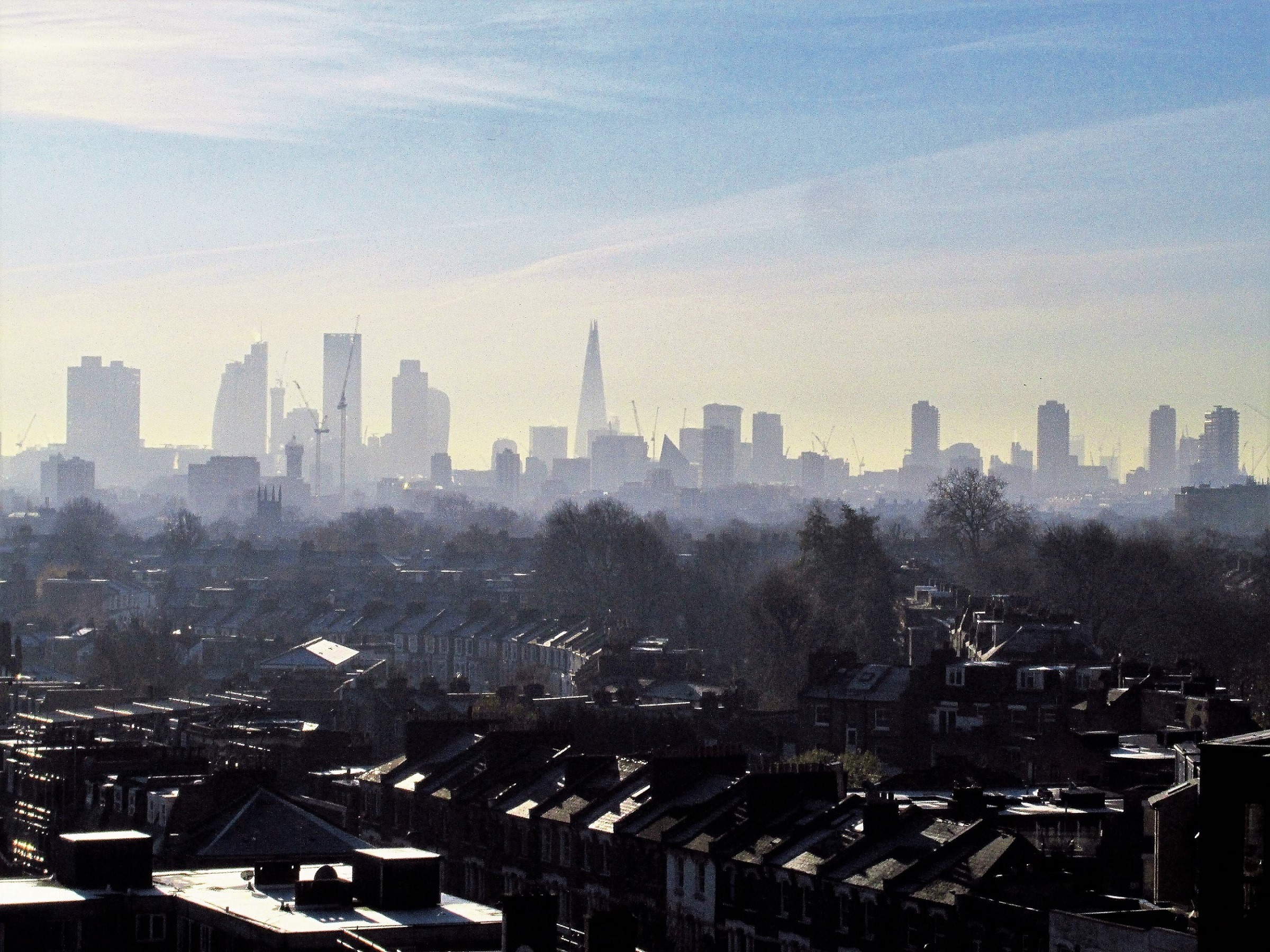 Experts highlight that these short-term and avoidable effects are in addition to the impact of air pollution. The pollution is also believed to contribute to heart disease, dementia, and respiratory conditions.
The researchers looked at hospital records from nine English cities. The records revealed that in one year, on days of high pollution, there were 124 cardiac arrests, 231 strokes, and 193 severe asthma attacks. Additionally, these records found stunted lung growth in children and links between pollution and lung cancer.
According to the research and Polly Billington, director of UK100, higher pollution days caused:
- London – 87 additional cardiac arrests, and 251 people taken to hospital for asthma or strokes.
- Birmingham – 12 more cardiac arrests, and 53 people taken to hospital for asthma or a stroke.
- Bristol – 4 more cardiac arrests, and 18 people taken to hospital for asthma or strokes.
- Derby – 16 people taken to hospital for asthma or strokes.
- Liverpool – 4 more cardiac arrests, and 24 people taken to hospital for asthma or strokes.
- Manchester – 6 more cardiac arrests, and 28 people taken to hospital for asthma or strokes.
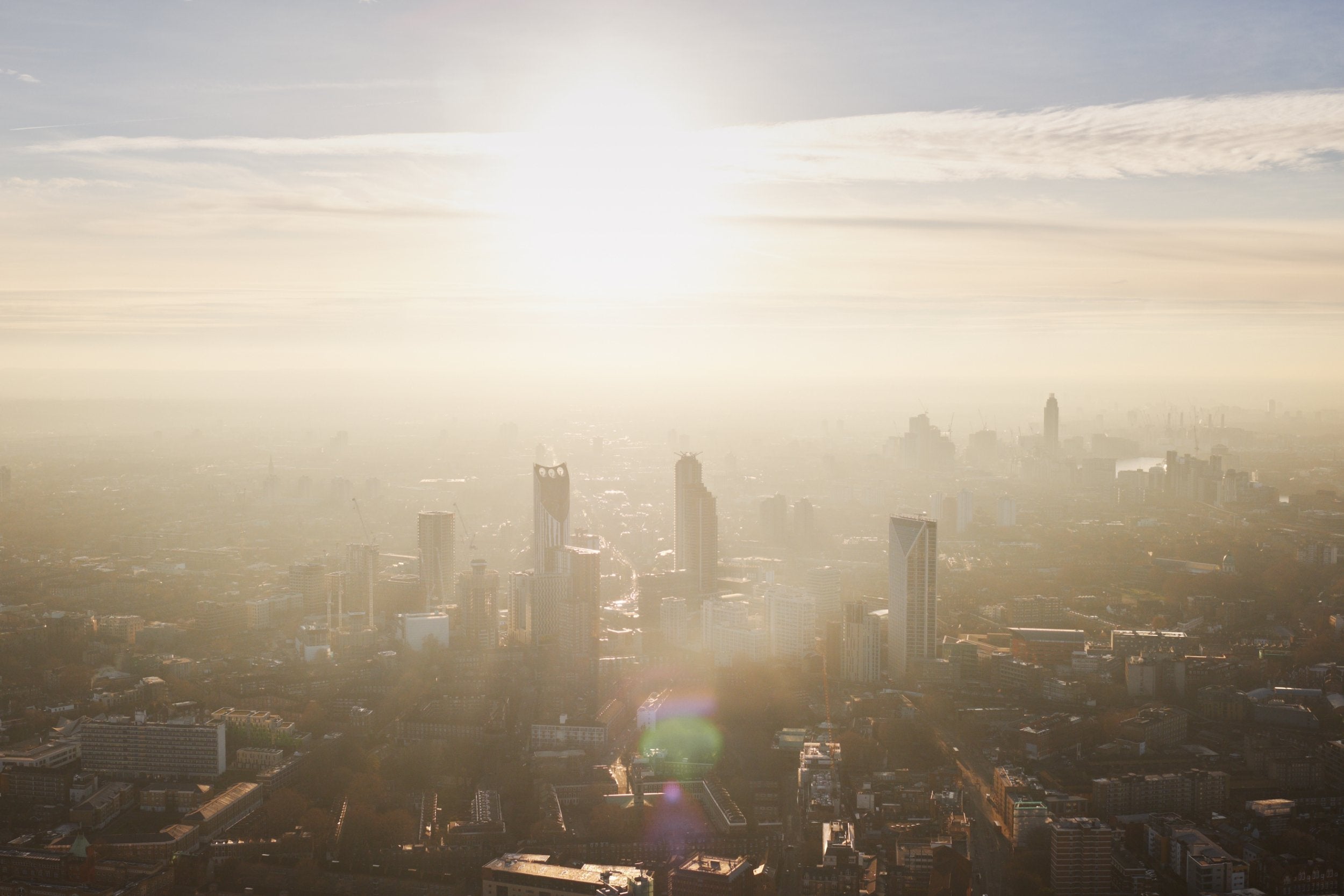
Chief executive of NHS England, Simon Stevens, said:
As these new figures show, air pollution is now causing thousands of strokes, cardiac arrests, and asthma attacks, so it’s clear that the climate emergency is, in fact, also a health emergency. Since these avoidable deaths are happening now – not in 2025 or 2050 – we need to act now.
Stevens makes it clear that NHS will also have to make changes. NHS plans to cut its greenhouse gas emissions. “Our NHS energy use, supply chain, building adaptations, and our transport will all need to change substantially,” he added.
If you happen to live in a place that has high air pollution, perhaps you should consider wearing a nose mask when you’re in the streets.


