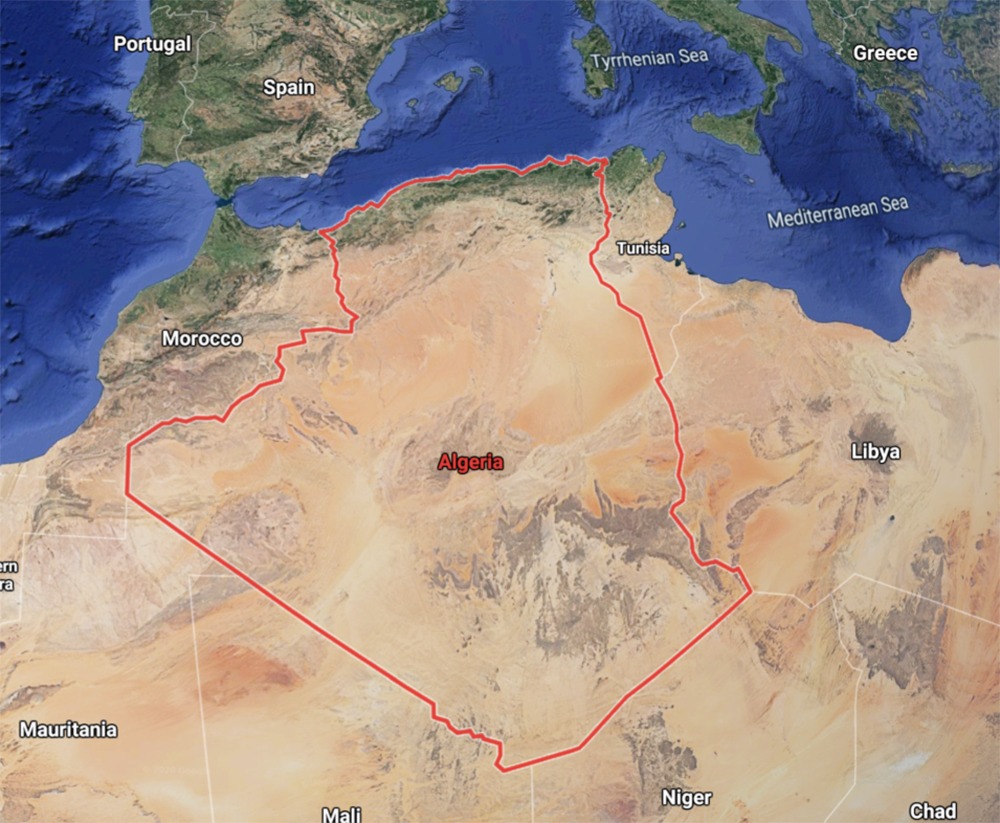
Algeria plans to build 4 gigawatts (GW) of solar capacity in five years, increasing the country’s solar power capacity 10-fold – a bold target.
How will Algeria achieve this target? With a lot of money. “The so-called TAFOUK1 project, the work of the Energy Ministry, foresees the investment of US$3.2–3.6 billion to deploy the 4GW of solar over the five-year period,” reported PV-Tech.
Some of the best job makers out there are solar energy infrastructure projects, along with being well paid, health-infusing, and honorable jobs that clean the air for other citizens, improving their lives. In Algeria’s case, the 4 GW solar PV initiative is projected to create 56,000 jobs during construction, and 2,000 permanent jobs later on for operations.
Abdelaziz Djerad, Algeria’s prime minister, said:
In addition to satisfying national energy demand and preserving our fossil resources, the completion of this project would allow us to position ourselves on the international market, via the export of electricity at a competitive price, as well as the export know-how.
Algeria is a fossil fuel country, with oil and gas responsible for “about 70% of total budget receipts. Oil and gas export earnings made up more than 97% of total exports.” However, the country is branching out the energy sector and economy, and are shifting income from oil and gas sales into more stable investments such as solar farms. Globally, oil demand is already falling significantly, and nobody knows where the industry will be in the next 2–3 years.
Investing in solar energy helps numerous things all at once, it creates jobs, offers a secure return on the investment, cleans the air, benefits public health, and helps stop global warming.