
Sudden cardiac arrest transforms ordinary environments into high-stakes medical emergencies where every heartbeat determines a survivor’s future. While professional medical response is essential, the critical minutes before paramedics arrive often define the outcome.
Integrating an Automated external defibrillator AED into public and private spaces creates a robust ‘Chain of Survival,’ empowering everyday citizens to act decisively when a life hangs in the balance. These portable, high-tech devices represent a pinnacle of modern emergency innovation, designed specifically to strip away the complexity of cardiac care.
By combining automated heart rhythm analysis with intuitive voice prompts, the AED turns bystanders into active life-savers. From bustling transit hubs to quiet corporate offices, the presence of an AED is a silent promise of protection and a testament to community-wide safety preparedness.
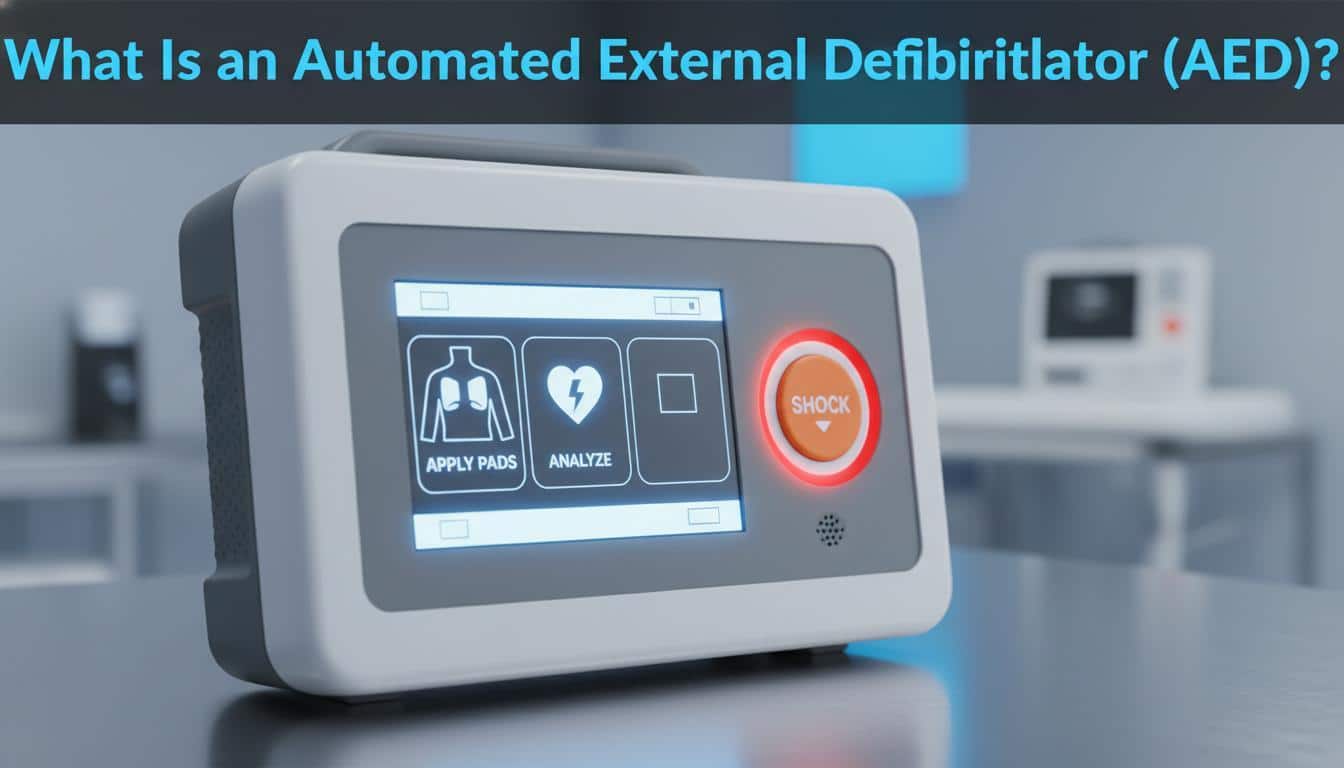
What is an Automated External Defibrillator (AED)?
Modern emergency care relies on the automated external defibrillator (AED), a portable electronic instrument engineered to combat the immediate effects of sudden cardiac arrest. The device identifies lethal arrhythmias and administers a controlled electrical pulse to help the heart regain its natural pace.
AED engineering prioritizes public accessibility, diverging from the complex systems utilized by hospital professionals. They feature:
- Simple visual diagrams
- Clear voice instructions
- Automatic heart rhythm analysis
These features allow individuals without a medical background to use them safely and effectively.
The Vital Importance of Immediate Defibrillation
Sudden cardiac arrest strikes when the heart loses its ability to pump blood effectively. This cessation instantly cuts off critical oxygen flow to the brain and vital organs, leading to a loss of consciousness within seconds.
Global medical data consistently highlights the extreme time-sensitivity of cardiac resuscitation. Clinical studies indicate that survival rates plummet by 7–10% for every sixty seconds that pass without defibrillation. Conversely, deploying an AED within the initial 3–5 minute window can elevate survival probabilities to a staggering 50–70%.
Professional medical response often faces unavoidable delays, particularly within dense metropolitan traffic. AEDs bridge this life-threatening interval, enabling immediate defibrillation within corporate and communal environments.

How an AED Works
An AED operates through several straightforward steps:
- Turn on the Device: Opening the device lid or engaging a clearly marked power button typically initiates the system’s automated startup sequence.
- Attach the Pads: The device provides clear instructions on where to place adhesive pads on the casualty’s chest.
- Heart Rhythm Analysis: The AED analyzes the heart rhythm and determines whether a shock is necessary.
- Deliver Shock if Advised: If a shockable rhythm is detected, the AED prompts the user to press a button or delivers the shock automatically.
- Continue CPR: The device guides the rescuer to continue CPR until emergency services arrive.
AEDs are designed to never deliver a shock unless it is medically necessary, ensuring they are extremely safe.
Who Can Use an AED?
Defibrillation technology caters to a diverse range of potential responders, ensuring that life-saving intervention remains accessible without a professional medical license. Integrated audio systems deliver real-time guidance, escorting the user through each phase of the rescue process.
- Public accessibility remains a core design philosophy for all modern units.
- Legal frameworks ensure that no specialized medical license is required for operation.
- Intelligent voice prompts and visual cues provide real-time, step-by-step guidance.
By removing the fear of making a mistake, these safeguards allow bystanders to focus entirely on the casualty. Integrating this ease of use with comprehensive first aid and CPR courses builds the necessary confidence to act swiftly when every second determines the outcome.
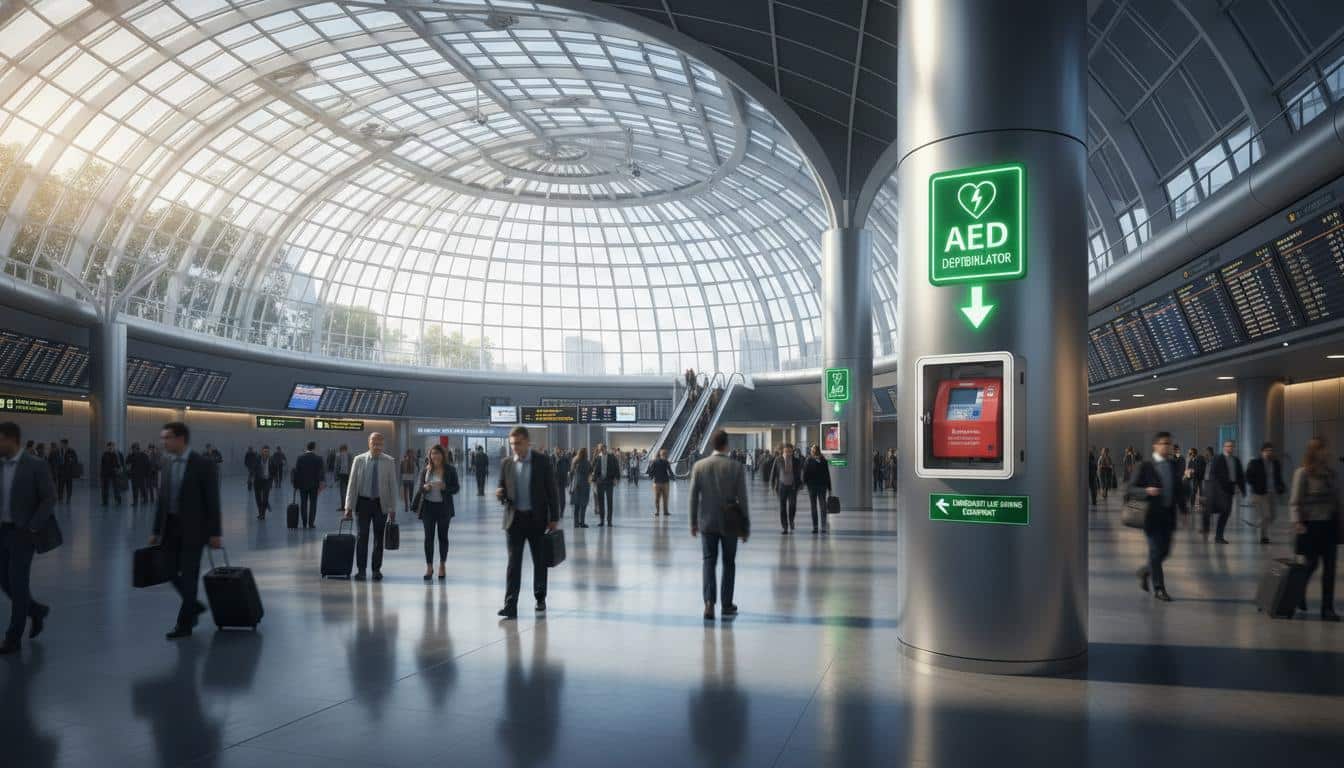
Strategic Public and Workplace AED Deployment
Strategic placement of emergency equipment is vital for reducing response times in high-traffic urban and commercial zones. Safety organizations and government agencies identify specific locations where the risk of cardiac events is statistically higher due to physical exertion or large crowd density.
- Large-scale retail hubs and local supermarkets.
- Global transit centers including airports and railway stations.
- High-density professional environments such as offices and manufacturing plants.
- Educational institutions ranging from primary schools to universities.
- Recreational venues like sports complexes and community gyms.
- Hospitality settings including major hotels and event spaces.
These placements are often mandated by local safety regulations to ensure that defibrillation remains within a three-minute reach. Understanding where to look for these devices in your daily environment is a fundamental component of personal and professional emergency preparedness.
AED vs CPR: What’s the Difference?
Both CPR and AEDs play crucial roles during cardiac arrest, but they serve different purposes.
| CPR | AED |
|---|---|
| Manually pumps blood | Restores heart rhythm |
| Keeps oxygen flowing | Treats fatal arrhythmias |
| Can be done immediately | Requires device availability |
Resuscitation efforts maximize effectiveness when chest compressions sustain circulation while the AED prepares to disrupt lethal ventricular fibrillation.
Technical Safeguards and Operational Safety
Safety remains the primary concern for manufacturers developing devices intended for public deployment. Rigorous testing and advanced software algorithms ensure that the equipment performs with clinical precision while maintaining absolute user safety.
- Advanced sensors accurately detect if a cardiac rhythm is shockable.
- Internal locks prevent the delivery of an electrical pulse to healthy hearts.
- Integrated audio warnings provide clear safety zones before activation.
These technical safeguards ensure that a shock is withheld whenever a non-shockable rhythm is detected, effectively preventing accidental harm to the patient or the rescuer. This level of automation allows users to operate the device with the certainty that they are assisting rather than complicating the emergency.
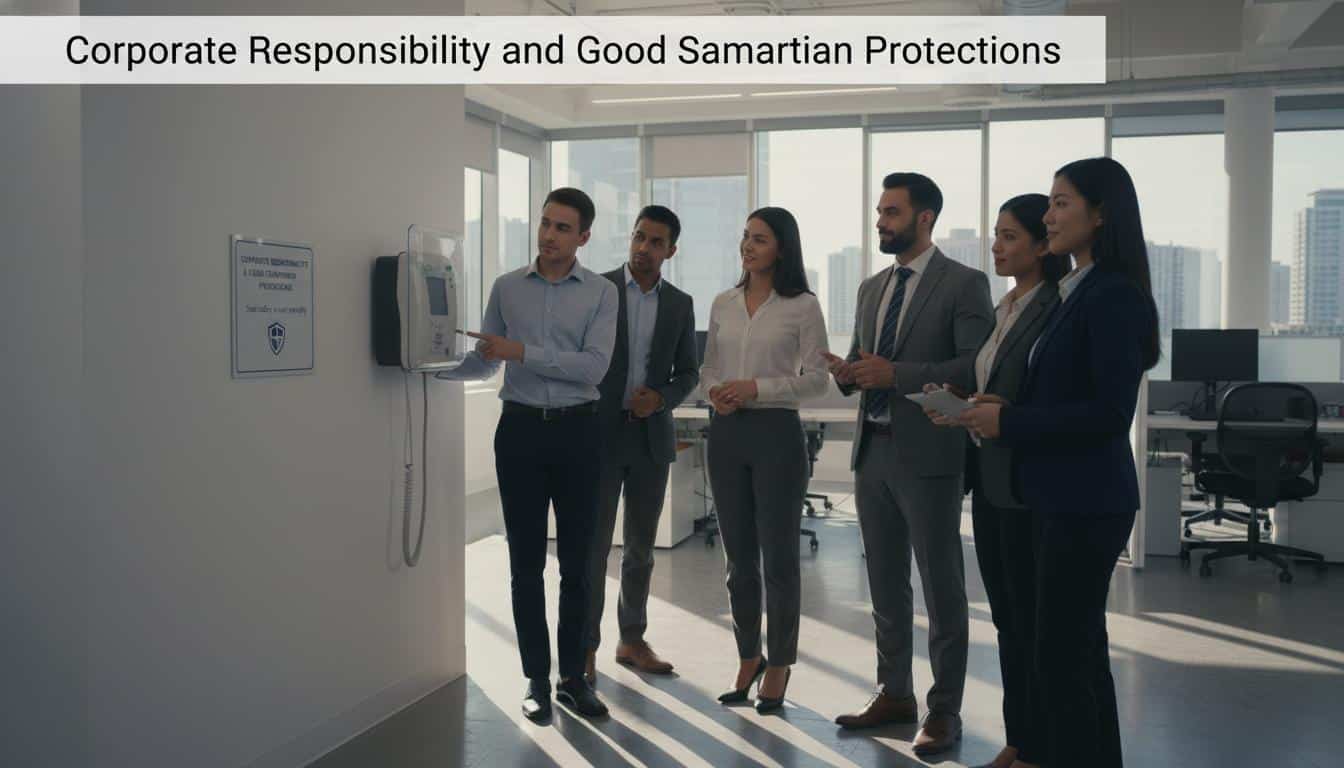
Corporate Responsibility and Good Samaritan Protections
Navigating the legal and operational landscape of emergency care is essential for organizations looking to implement safety protocols. Legislative protections and workplace safety benchmarks have evolved to encourage immediate bystander intervention without the fear of litigation.
- Strategic placement enhances long-term employee safety and health security.
- Proactive installation demonstrates a high level of corporate social responsibility.
- Deployment helps facilities meet or exceed occupational safety guidelines.
- Rapid access significantly reduces critical response intervals during crises.
Most jurisdictions protect responders under Good Samaritan laws when they act in good faith to preserve life. Modern companies now view these devices as essential components of their workplace emergency preparedness plans, treating them with the same importance as fire safety equipment.
Maintenance and Readiness of AEDs
Owning a life-saving device is only effective if the equipment remains in peak operational condition at all times. Regular oversight and routine checks are the only ways to guarantee that the unit will perform correctly during a sudden cardiac crisis.
- Consistent battery status monitoring ensures the unit is powered for deployment.
- Expiry date verification for adhesive pads maintains electrode effectiveness.
- Strategic visibility checks ensure the device remains accessible and unobstructed.
- Routine internal diagnostic reviews confirm the hardware is functioning correctly.
Many contemporary units feature self-diagnostic systems that provide audible or visual alerts when a component requires attention. Establishing a dedicated maintenance schedule within your organization or home ensures that your preparedness translates into real-world results.
Why AED Training Still Matters
Formal education amplifies the utility of these intuitive devices by providing several critical advantages for the first responder:
- Formal practice results in significantly faster response and deployment times.
- Hands-on drills improve the technical quality of chest compressions and CPR.
- Exposure to the equipment builds the mental resilience needed for emergencies.
- Collaborative exercises improve teamwork and communication among first responders.
Most reputable safety programs now combine CPR and AED training into a single, cohesive curriculum suitable for schools and workplaces. This holistic approach ensures that rescuers understand both the manual and mechanical aspects of the Chain of Survival.
The Role of AEDs in Community Safety
Urban and rural districts alike observe a measurable surge in survival statistics when they prioritize widespread accessibility to defibrillation technology. Public education, clear signage, and community training programs all contribute to making AEDs more effective.
Public access to this hardware equips ordinary citizens with the tools of a first responder, providing the means to intervene effectively before professional help arrives.
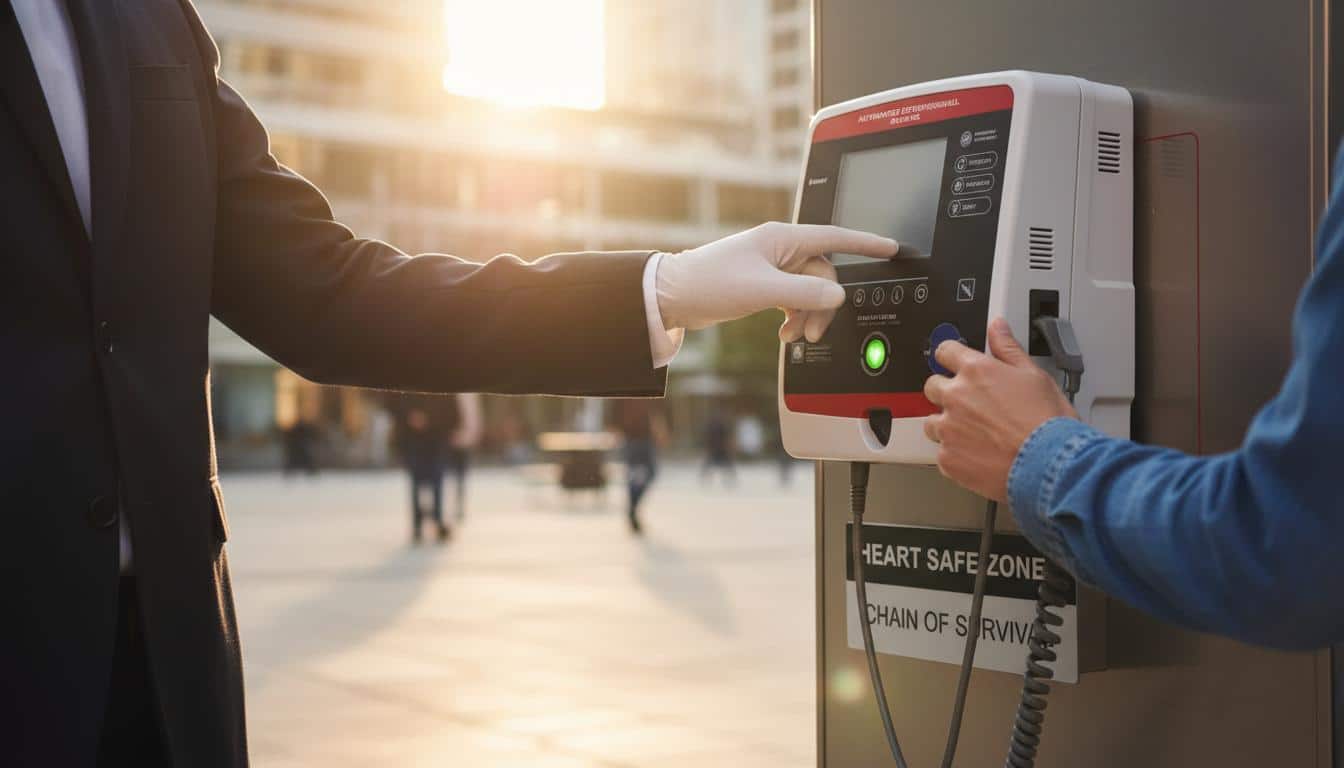
Strengthening the Community Chain of Survival
Prioritizing access to an automated external defibrillator (AED) is a definitive step toward building resilient, safety-conscious communities. As these devices become a standard fixture in modern architecture and public planning, the barrier between a fatal event and a successful resuscitation continues to shrink.
Commitment to AED placement, combined with consistent maintenance and visibility, ensures that your environment is prepared for the unpredictable nature of cardiac emergencies. Empowering individuals through awareness and equipment accessibility transforms a passive environment into a proactive safety network.
Whether you are an employer looking to safeguard your team or a community leader advocating for public health, the integration of AED technology is a vital investment in human life. Ultimately, the power to reset a heart and save a person’s future lies in the readiness of the tools and the confidence of the people surrounding them.
Essential Insights for Cardiac Emergency Preparedness
How Does an Automated External Defibrillator Save Lives?
The device analyzes lethal heart rhythms and administers a precision electrical shock to stop irregular activity, allowing the heart to regain its natural, effective beat.
Can You Use an AED Without Medical Training?
Yes, these machines are engineered for public use with simple diagrams and real-time voice instructions that guide users through every step of the process.
Where Are AEDs Most Commonly Located in Public?
Standard placement strategies target high-visibility areas within shopping centers, transit terminals, airports, fitness facilities, and professional office lobbies.
Is It Possible to Accidentally Shock Someone with an AED?
No, the device utilizes advanced sensors to detect shockable rhythms; it will not deliver a pulse unless the patient’s cardiac state strictly requires it.
What Is the Difference Between CPR and AED Use?
Manual compressions sustain vital blood flow to the brain, whereas an AED administers the precise electrical pulse required to reset the heart’s biological rhythm.


