
Using an automated external defibrillator (AED) has a range of benefits for reviving a cardiac arrest patient. Even though this device comes with instructional prompts, you should take a certified course to ensure proper use. Your CPR AED training will teach you to handle a patient in cardiac arrest and use an AED effectively.
This machine needs patience and care when being used. This article discusses the automated electronic defibrillator and how it can help a person suffering from cardiac arrest.
Understanding the Automated Electronic Defibrillator
An automated external defibrillator (AED) is a remarkable device that can monitor and assess a person’s pulse rate. It delivers an electric shock to the heart when a patient has no pulse or is not breathing. You can use it to treat a condition in which the heart suddenly stops working, a sudden cardiac arrest.
According to the Red Cross in Windsor, AEDs can have up to a 90% survival rate if used within the first minute of a sudden cardiac arrest.
Even an untrained person can use this device as it comes with built-in instructions. The AED first calibrates itself to the person’s heart and only delivers a shock if needed. The shock can help to restore the heart’s normal rhythm and save that person’s life.
Previously, it was difficult to find this machine in public places, but now it is available in most public outlets and places of entertainment.
How Does an AED Function?
An AED’s job is to restart the electric signals of the heart. These signals enable the heart to start beating again. The method of using an AED is as follows:
- Place the device on a flat surface and switch it on. Follow the voice commands on the screen.
- Its machines come with flat electrodes. You must attach the electrodes to the patient’s chest. The electrodes are sticky and will stick to the skin. If the patient has too much hair, be sure to shave them.
- Remove any pieces of metal or external objects near the patient’s chest. Any foreign object could interfere with the analysis and shock.
- After placing the electrodes, the machine will analyze the current heart rate.
- If the patient has no pulse and a shock is mandatory, you will hear a prompt to press the required button. Ask everyone to stand away from the patient and press the button.
- You should not stop CPR after AED. Continue CPR till the EMT arrives.
How does it help with cardiac arrest?
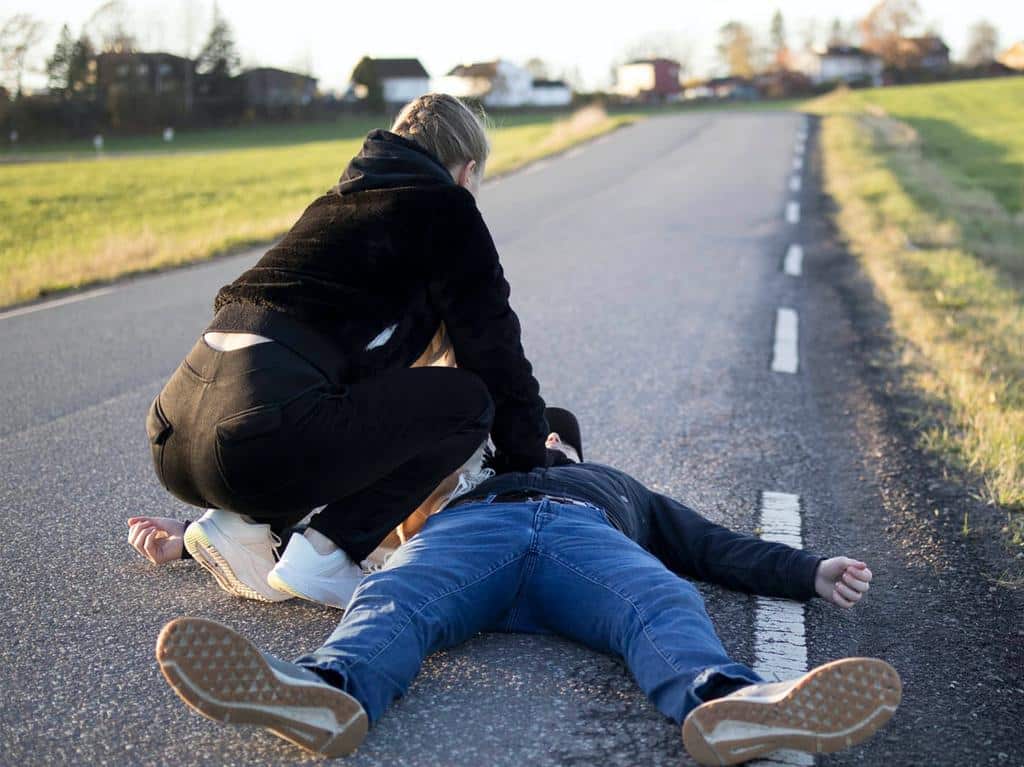
Cardiac arrest can arise from various causes, such as heart disease. During a cardiac arrest, the normal electrical signals of the heart become disrupted, leading to an abnormal rhythm known as ventricular fibrillation (VF). VF is a life-threatening condition where the heart cannot pump blood correctly anymore. Without blood flow, the brain and other organs begin to die. If cardiac arrest isn’t dealt with, the individual will die within minutes.
The AED analyzes the heart’s rhythm and determines if a shock is needed. The shock from the AED resets the heart’s electrical impulses and might help to restore a regular rhythm. The sooner the shock is delivered, the better the chances of survival.
How can you get certified in using an AED?
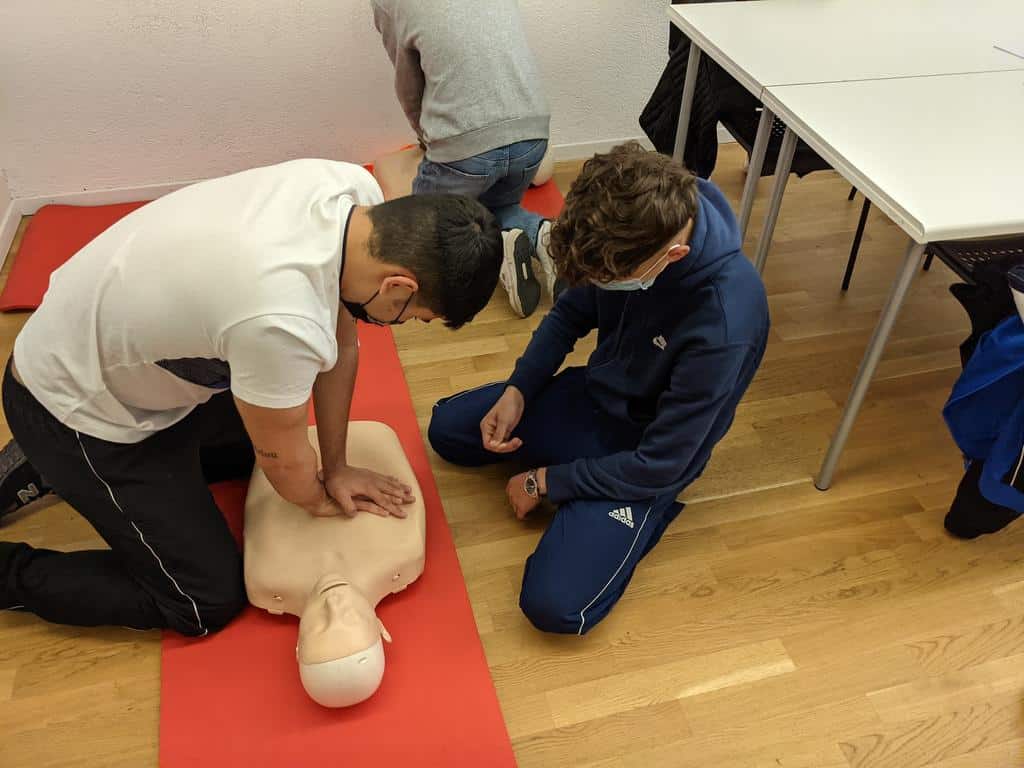
You must take a certified course if you want to learn to use an AED. Some ways to get certified are:
● Take an in-person AED course: Many AED courses are available in several institutes in your area. These courses usually teach you how to use an AED, perform CPR, and recognize the symptoms of cardiac arrest.
● Take an online AED course: Many online AED training courses are available. These courses are pocket-friendly and let you pay in installments as well.
Conclusion
Learning to use an automated external defibrillator (AED) through a certified program is crucial for saving lives. While AEDs come with built-in instructions, a certified CPR AED training course provides comprehensive knowledge and hands-on experience in handling a patient in cardiac arrest and using the device effectively. The AED’s ability to assess pulse rate, deliver electric shocks, and restore the heart’s normal rhythm is remarkable. With the increasing availability of AEDs in public places, it is essential for individuals to be trained in their usage.
By obtaining certification in AED usage, individuals become equipped with the knowledge and skills required to act swiftly and decisively during life-threatening situations. Through widespread access to AED machines and the commitment to continuous training, we can create a society where more lives are saved, and the impact of cardiac arrest is mitigated. Remember, with each certified individual ready to respond, we move closer to a world where no life is lost due to a lack of knowledge or access to life-saving technology.


