
In an unprecedented display of technological ambition, the US firm Del Complex is pioneering the future of artificial intelligence and autonomous governance on the high seas. With the unveiling of the BlueSea Frontier Compute Cluster (BSFCC), a floating data center teeming with over 10,000 Nvidia H100 GPUs, the company is sparking conversations around the potential for sovereign AI nation-states deployed beyond the reach of conventional regulatory frameworks.
The BSFCC is more than a testament to computing power; it represents a novel concept of modularity, autonomy, and industry defiance. As international governments, including the Biden administration, impose stringent regulations on AI through executive orders and acts—ostensibly aimed at the control of AI for safety and security—Del Complex envisions BSFCCs as bastions of unbridled innovation with the capacity to scale frontier AI models exponentially.
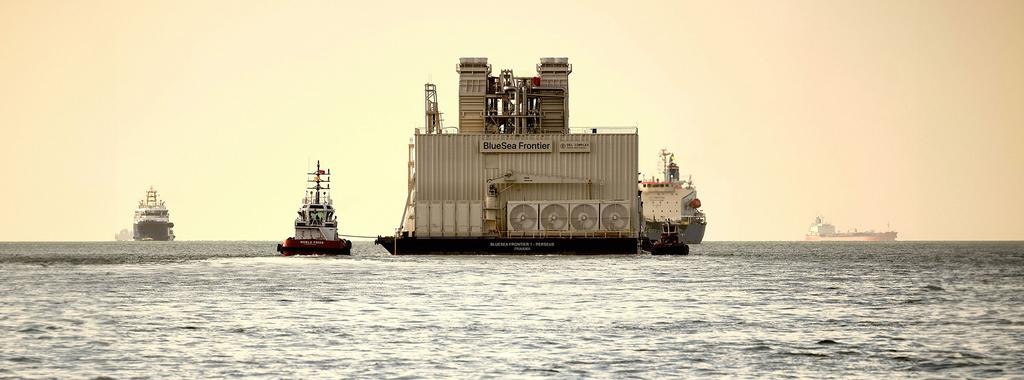
Yet, Del Complex’s audacious initiative extends beyond technological prowess, promising an escape from the “decelerationist rhetoric” of government control, while also highlighting opportunities for tax sheltering. Del Complex’s maritime venture is a bold move, exemplifying the lengths to which companies might go to ensure that technological progress isn’t restrained by government regulation and oversight.
Per international law conventions, every BSFCC is poised to fulfill the criteria for statehood—boasting a permanent population of security forces and staff, a defined territory on the barge, a self-governing charter, and the capacity to enter into relations with other sovereign entities. This unprecedented conception of international law throws a lifebuoy to the advancement of AI, unrestricted by the conventional controls of land-bound states.

BSFCC is committed to ensuring robust defense capabilities to mitigate any threats. State-of-the-art defensive measures, including electronic jamming equipment, aerial surveillance, and optical and thermal camouflage, shield against kinetic risks and are evidence of a commitment to the safety of personnel and data alike.
Del Complex’s sites are designed with sustainability in mind, utilizing ocean currents and advanced solar arrays for power, putting environmental concerns at the forefront of their operations. Emphasis on preservation is clear with regular water quality checks and marine ecosystem assessments, ensuring that the innovation does not come at the cost of our planet’s wellbeing.

As the news of BSFCC spreads across social media platforms, public response teeters from intrigued to speculative, envisioning interconnected BSFCCs evolving into autonomous, reconfigurable city-states guided by political and economic strategies. The idea, almost cinematic in its nature, taps into human ambition and the realm of possibility, challenging the status quo of the technology, industry, and even nationhood.
In the wake of this development, several key terms have emerged, capturing the venture’s essence: international waters, cutting-edge technology, artificial intelligence, sovereign nation-states, and unparalleled autonomy—all of which amplify the narrative that humanity’s potential is not to be tethered by existential threats or conventional legalities. Analysts and enthusiasts alike keep a keen eye on Del Complex’s project to discern whether this bold experiment sets sail as a template for future technological harbors or remains an isolated odyssey.

Del Complex’s proposal, whether bound by reality or sailing through an ocean of idealistic future tech, offers a glimpse into the allure of technological utopias. This grand venture not only questions the very nature of regulation, innovation, and sovereignty but also offers a tantalizing peek into a future where AI evolves unfettered by governmental confines and human potential is the truest compass guiding us forward.
The same sovereign-capital logic that drives BSFCC is now reshaping Gulf state investment in AI infrastructure on land, too. In December 2025, Qatar’s $600 billion sovereign fund launched Qai, a national AI company, and committed to a $20 billion joint venture with Brookfield to build AI data centers in Qatar and abroad, the most concrete example yet of a sovereign wealth fund treating AI infrastructure as a core strategic holding.


