
EDAG is a German automobile engineering firm that specializes in concept cars, and this year they have released their new 3D printed car, named Genesis.
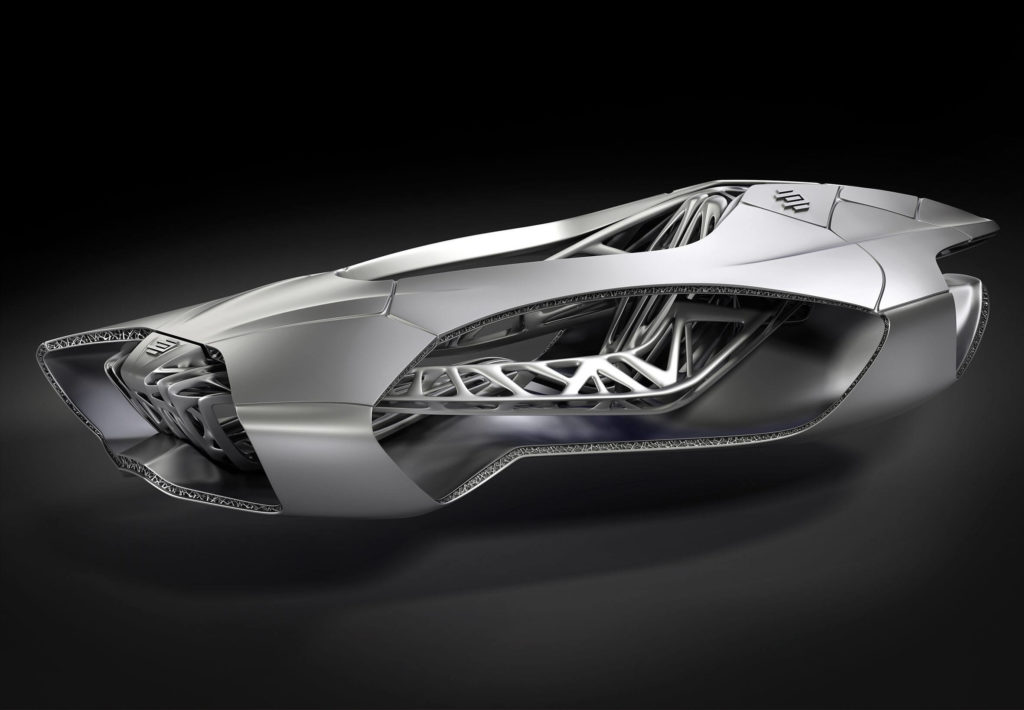
The company is a subcontractor to major car makers and at this year’s Geneva Motor Show, which had over 600,000 people in attendance to view the cars, they showed off this new design made entirely out of 3D printed material and was inspired by a turtle skeleton. This is not a complete and working car however, it is just a conceptual sculpture, but it gives a glimpse into what cars might be looking like in the future and how they will be produced.

The concept of using 3D printing, also known as additive manufacturing, into cars is not new, but in the past, it has involved printing many smaller pieces and assembling them. With the new Genesis, EDAG was able to print a one-piece vehicle body produced in a single production process. This makes the Genesis unique in the world of additive manufacturing and it should be no surprise that it comes from a unique company such as EDAG. EDAG is rare because they combine the design as well as the production aspects of automobiles. They consult with the leading car companies as well as production companies, and they work not only with automobiles but also aerospace, train, light rail, and commercial vehicle manufacturing. An example of the innovative style of the car previously made by this company is the genX, which first premiered in 2004. The genX is a sports car that had a single, built-in, pop-up bed on the roof to allow the driver a spot to sleep if they need.
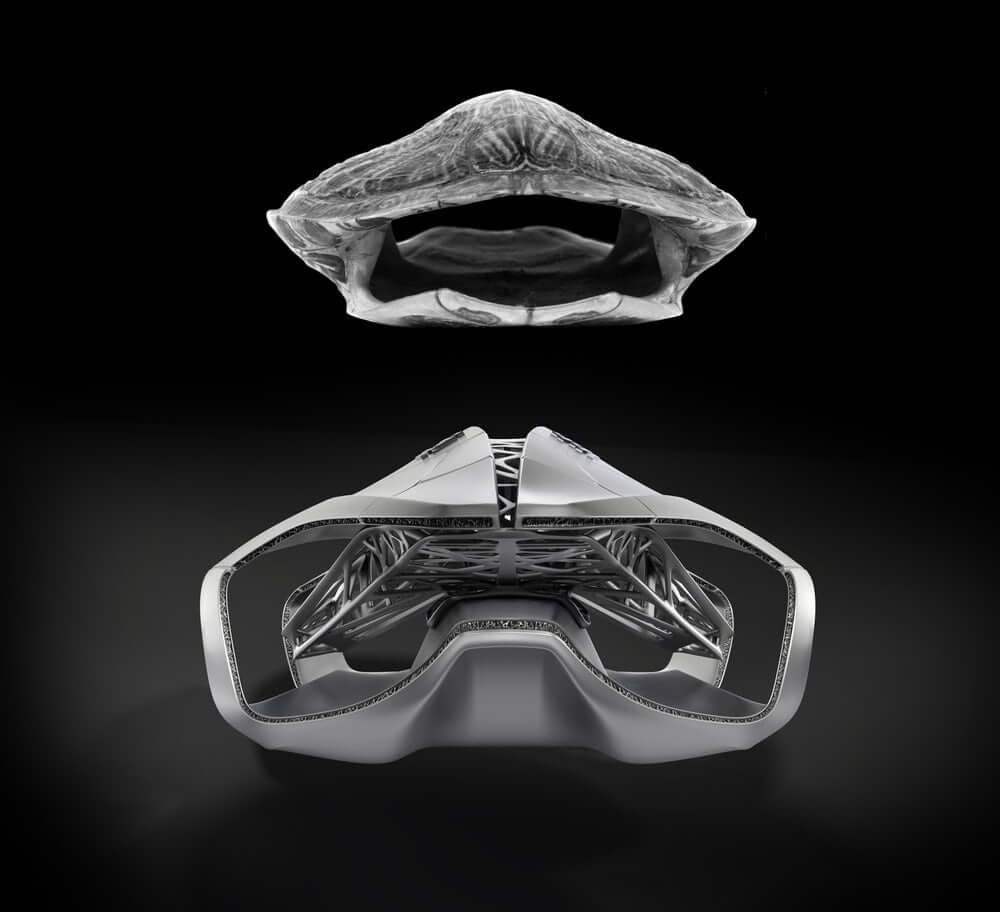 While some of the concepts that EDAG creates might seem like they aren’t very practical, these designs are well thought out and careful consideration is taken from a practical production point of view. EDAG is not necessarily promoting this show car for the car buying public, but rather it is more for the car manufacturers. They are demonstrating their understanding of 3D printing processes and their industrial applications for such things as components, modules, and with the case of the Genesis, complete vehicle bodies.
The Genesis was created by the EDAG Competence Centre for Lightweight Construction, which is made up of a collaboration of a multi-disciplinary team of engineers, designers, and specialists. This prototype is an example of biomimicry, which is the solving of complex engineering problems by imitating solutions that we see in nature. In the case of the Genesis, the design is based on the turtle’s shell which provides cushioning and protection. EDAG describes the design in their media release, “The framework of the exhibit calls to mind a naturally developed skeletal frame, the form, and structure of which should make one thing perfectly clear: these organic structures cannot be built using conventional tools. In the future, additive manufacturing could benefit designers and engineers by opening up enormous freedoms and new design options for development and production.”



[…] by opening up enormous freedoms and new design options for development and production.” Intelligent Living M […]