
Sustainability is no longer an optional consideration for businesses in New Zealand; it has become a critical measure of success. Across all industries, organisations are fundamentally rethinking how workplaces are designed, furnished, and operated. This shift is driven by a powerful convergence of factors: the urgent need to minimise environmental impact, the strategic goal of maximising operational efficiency, and the growing demand for enhanced employee well-being.
From reducing physical waste through circular procurement to adopting innovative, energy-saving technologies, sustainable offices are now central to shaping the future of work in Aotearoa. These modern environments are more than just buildings; they are dynamic ecosystems that reflect a company’s values, foster a positive culture, and deliver a competitive advantage in a rapidly evolving world.
Redefining the Modern Office: Space, Function, and Flexibility
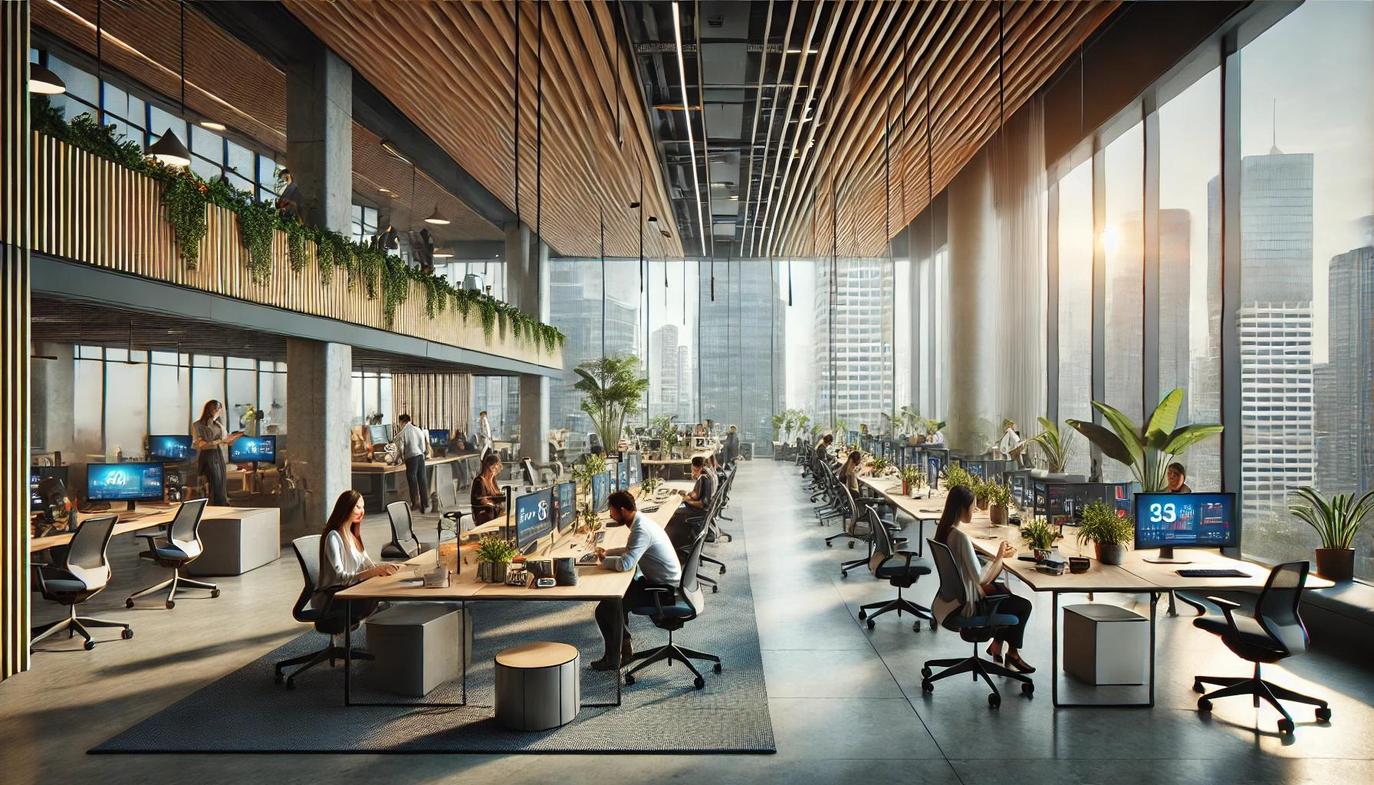
One of the most prominent changes driven by sustainability is the way offices are now being designed and used. Traditional layouts, with fixed desks and expansive floor plans, are increasingly being replaced with flexible, adaptable environments that reduce resource consumption.
This reconfiguration actively supports hybrid working models, leading to reduced square footage requirements and smarter use of communal areas.
These shifts minimise the environmental footprint while promoting collaboration and agility. With fewer employees commuting daily and a reduced reliance on static infrastructure, the modern office is becoming a more fluid and sustainable hub for collaboration.
Embracing the Circular Economy in NZ Offices
Sustainability is also shaping procurement practices in New Zealand workplaces. Where once the default was to purchase new, mass-produced office furniture, many businesses are now embracing reuse and refurbishment.
This growing preference for second-hand furniture reflects a broader commitment to the principles of a circular economy, where the lifespan of products is extended, and waste is dramatically reduced. The adoption of high-quality refurbished office setups through providers like FIL Furniture in NZ enables businesses to meet both design standards and sustainability goals without compromise.
Fostering a Culture of Environmental Consciousness
The shift to sustainable offices influences workplace culture as much as it does infrastructure. Employees are increasingly aware of the values their employers promote through everyday decisions.
A company’s priorities are clearly communicated through its physical environment. A sustainably designed office sends a powerful message by incorporating key elements:
- The use of natural and recycled materials.
- Optimised lighting and ventilation for employee well-being.
- Considered layout choices that promote collaboration and efficiency.
This thoughtful approach leads to a stronger sense of engagement and pride among teams.
People are more likely to feel a strong connection to organisations that mirror their environmental values, boosting both talent retention and recruitment. The workspace becomes a symbol of shared responsibility, reinforcing sustainable habits both in and out of the office.
Boosting Operational Impact and Long-Term Efficiency
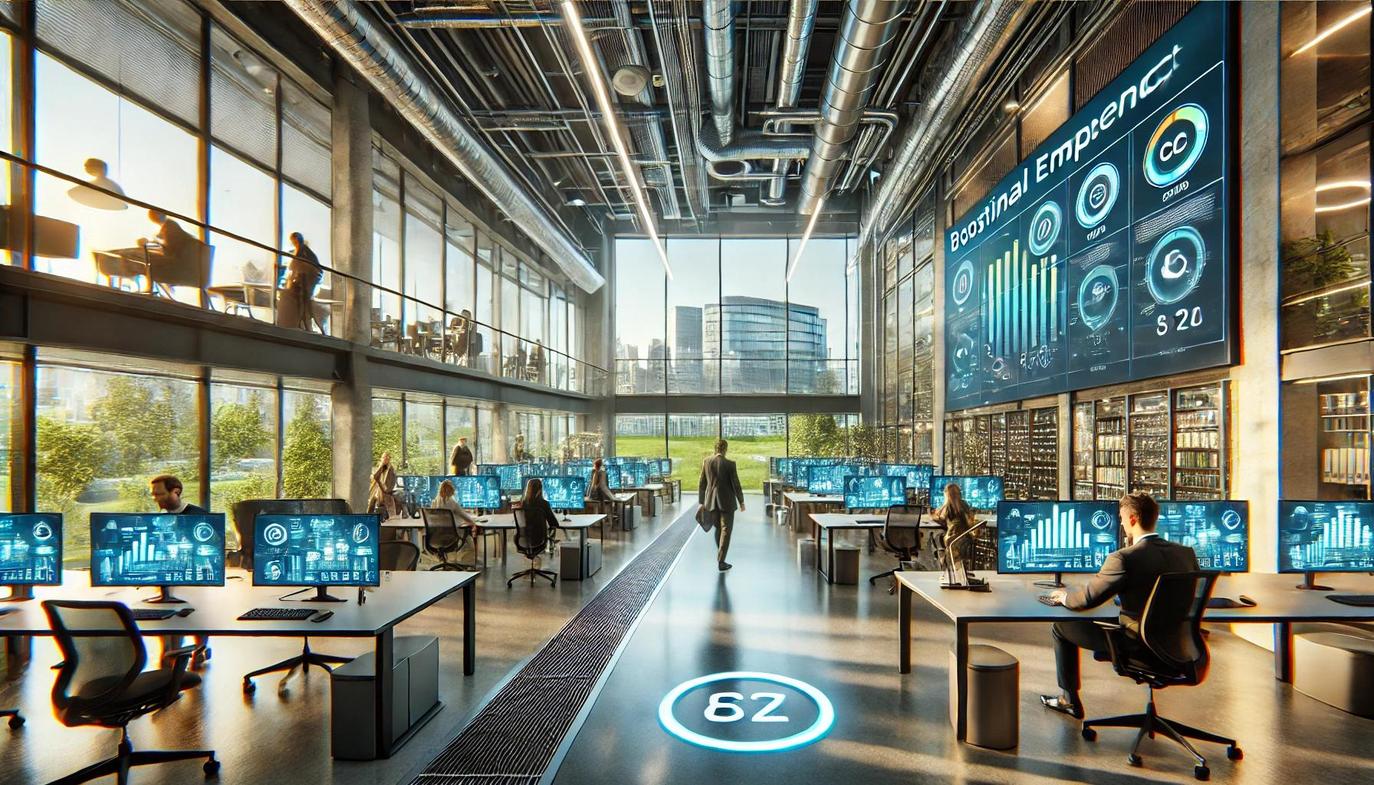
Environmentally conscious office environments, often supported by building management systems (BMS), are driving practical changes to business operations. These systems provide intelligent control over a building’s core infrastructure to optimise energy efficiency and reduce waste, including:
- Power distribution and usage.
- Automated lighting systems.
- HVAC (heating, ventilation, and air conditioning).
- Water pumps and management.
This level of granular control delivers significant long-term environmental and financial benefits.
Physical Upgrades and Digital Integration
Physical improvements, including upgraded insulation, work in tandem with these active systems to deliver substantial long-term environmental and financial benefits.
The integration of digital tools to replace paper-based systems and reduce travel helps businesses cut operational emissions. Businesses are strategically using technology to streamline systems and reduce the environmental cost of day-to-day activities.
Future-Proofing Workplaces Across Aotearoa
Regulatory standards, consumer expectations, and employee demands are all converging on a single point: the need for lower-impact, more responsible operations.
Workplaces that invest in sustainability now are more likely to remain relevant and resilient in the face of changing conditions. The office is no longer a static setting but a dynamic reflection of wider values and goals.
Businesses that treat their physical spaces as active contributors to positive environmental outcomes are strategically positioning themselves for long-term success.
Building a Smarter, More Sustainable Workplace
Smarter design, circular procurement, cultural transformation, and improved efficiency are redefining the modern office. As a result, these workplaces are becoming more than just places of labour.
Sustainable workplaces are becoming enablers of climate action, wellbeing, and innovation. As sustainability becomes embedded in every workplace decision, it fundamentally reshapes how work is done, where it happens, and the overall value it provides to the people involved.
Paving the Way for a Greener Future in NZ Workplaces
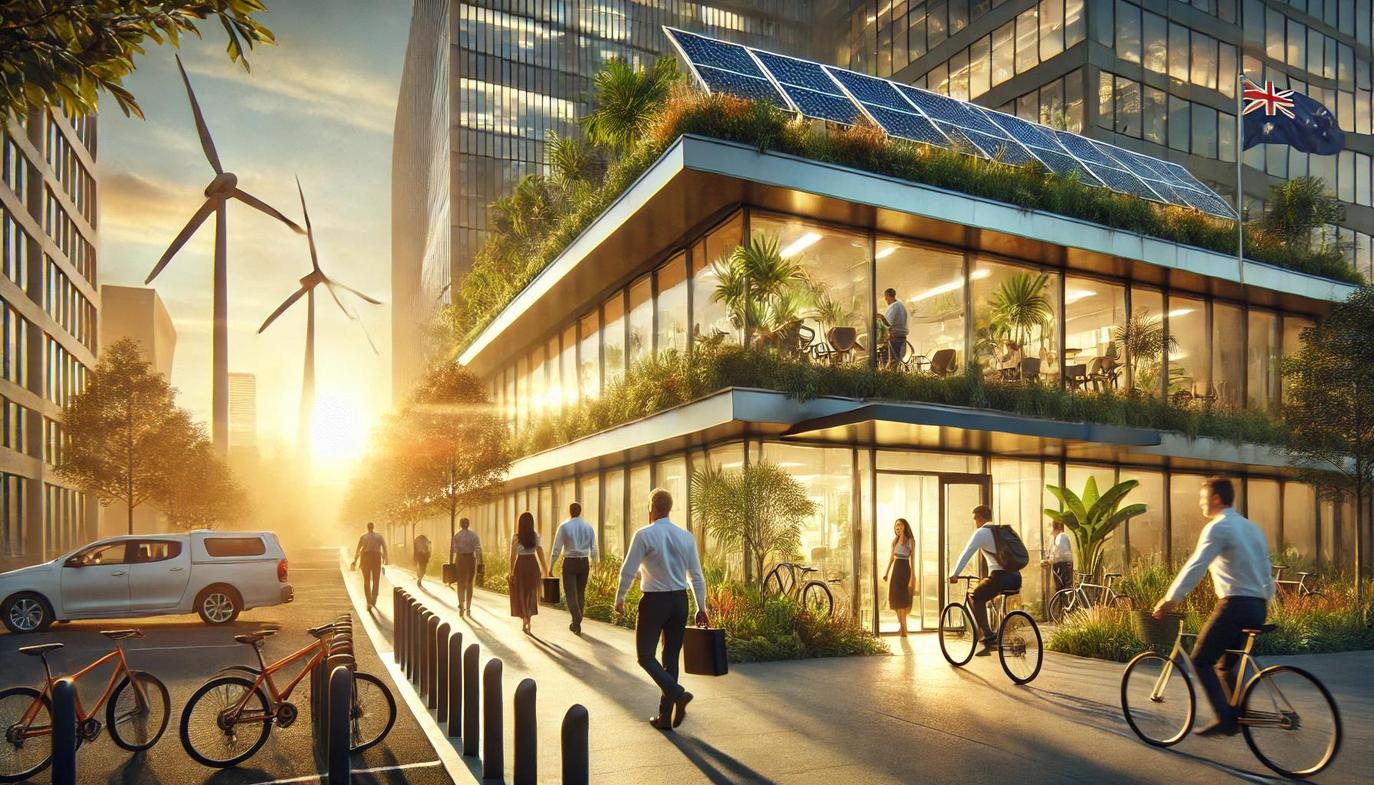
The transition to sustainable offices in New Zealand marks a fundamental shift in how businesses operate, innovate, and grow. By embracing flexible design, circular procurement, and energy-efficient systems, companies are not only reducing their environmental footprint but also fostering a more resilient and engaged workplace culture. This evolution moves beyond simple corporate responsibility; it is a strategic investment in long-term operational efficiency and employee well-being, proving that what is good for the planet is also good for business.
As Aotearoa continues to navigate the future of work, these green workplaces will serve as crucial hubs for innovation and climate action. The focus on sustainability is reshaping physical environments and embedding a deeper sense of purpose in the national work identity. For businesses ready to lead, creating a sustainable office is the most tangible step towards building a future-proof, thriving, and responsible organisation.
Your Questions on Sustainable Offices Answered
Why Are Sustainable Offices a Key Trend for NZ Businesses?
Sustainable offices are critical for NZ businesses because they directly address the growing demand for environmental responsibility from customers, employees, and regulators. They also lead to significant long-term operational savings through energy efficiency and reduced waste, while enhancing a company’s brand reputation and ability to attract top talent.
What Does a “Circular Economy” Mean for Office Furniture?
In an office context, the circular economy focuses on breaking the “buy, use, dispose” cycle. Instead of purchasing new, businesses opt for high-quality refurbished office furniture, repair existing items, and ensure that old assets are repurposed or recycled. This approach extends the life of products, minimises landfill waste, and reduces the carbon footprint associated with manufacturing new goods.
How Does an Eco-Friendly Office Design Improve Employee Well-being?
An eco-friendly office design often incorporates elements like improved natural lighting, better air quality through advanced ventilation, non-toxic materials, and biophilic design (integrating nature). These features are proven to reduce stress, improve cognitive function, and boost overall employee health and satisfaction, leading to a more positive and productive workplace culture.
What Is the First Step to Making Our Workplace More Sustainable?
A great first step is to conduct a simple audit of your current procurement practices and energy consumption. Switching to a provider of refurbished office furniture offers a high-impact, immediate change. Simultaneously, engaging employees to identify areas of energy waste—like lighting or electronics left on—can build momentum and create a shared commitment to sustainability.


