
You’ve probably heard about hard water, but you may not know exactly what it is or why people are so against it. The reality is that hard water is mineral-rich and leaves damaging residue. Many people notice how it affects their skin, hair, and clothes but never give any real thought to what it’s doing to their drains. Keep reading to learn more about hard water and what you can do about it.
What is Hard Water?
Hard water is water that contains high levels of dissolved minerals, primarily calcium and magnesium. These minerals can accumulate over time, often coming from the natural geology of the area or from certain water treatment processes. Water hardness is usually measured in parts per million (ppm) or grains per gallon (gpg). If you have hard water in your home and you’re looking to soften it, using a drain unblock in Ascot can make a big difference in how you experience your water.
If you’re not sure whether or not you have hard water in your home, you can easily make the distinction. Take a look at your dishes. If you notice spots and marks on your dishes, you likely have hard water. If your clothing is stiff and scratchy after being laundered at home, you likely have hard water. Limescale buildups are another signal that you may have hard water. If you find that a chalky residue is left behind when water evaporates from pots, pans, kettles, a boiler, or a drainage system, hard water may be to blame.
The Affect of Hard Water on Drains
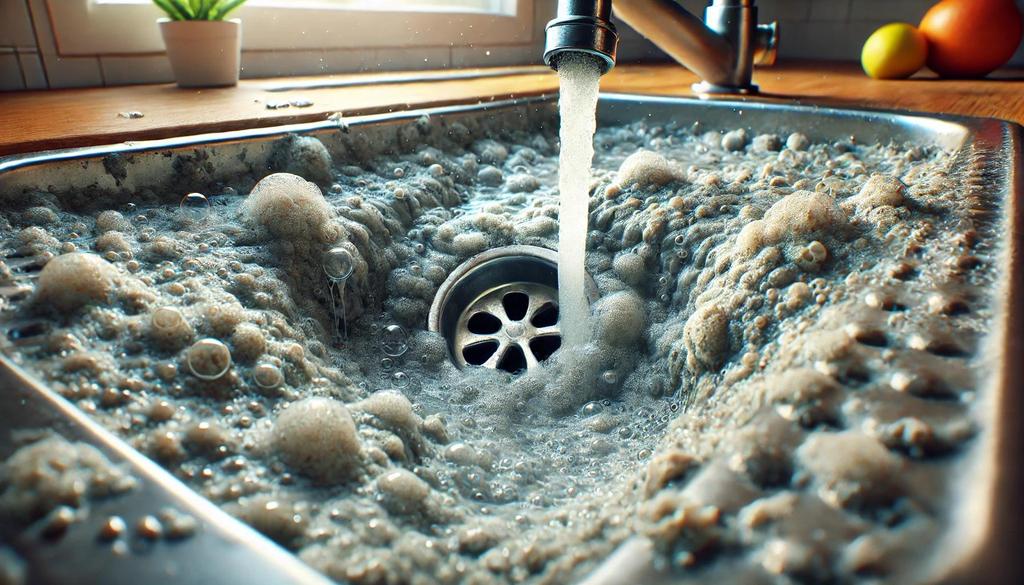
Hard water can affect drains in a variety of ways. It can negatively impact your home’s entire plumbing system. The functioning of drains, toilets, pipes, washing machines, and dishwashers are all negatively affected by hard water due to excess mineral deposit corrosion. Here are some other ways hard water impacts your drains.
- Scale Buildup: The minerals in hard water can deposit on the insides of pipes over time, creating scale. This buildup can narrow the pipes and restrict water flow, leading to slow drainage and potential clogs.
- Clogging: Scale can combine with soap scum and other debris to form more significant blockages in drains. This can make it difficult for water to pass through, causing backups.
- Reduced Efficiency: Appliances like dishwashers and water heaters can become less efficient due to scale buildup, which may also lead to more frequent maintenance or repairs.
- Foul Odors: Bacteria can thrive in scale buildup, potentially leading to unpleasant odours emanating from drains.

Ways to Prevent Damage
If you have hard water and are interested in altering it, it’s not an impossible task. There are methods to soften hard water, such as using water softeners that replace calcium and magnesium with sodium ions. However, hard water can also contribute to buildup in your plumbing system, potentially leading to blocked drains in Adelaide.
Addressing these issues promptly with professional assistance can help maintain the efficiency of your plumbing. Here are some additional strategies to implement if you have hard water:
- Regular Descaling: Use descaling products in appliances like dishwashers and water heaters periodically to remove mineral buildup.
- Vinegar Rinses: For fixtures and appliances, a vinegar rinse can help dissolve mineral deposits. Soak faucets or showerheads in vinegar for a few hours, then rinse.
- Use of Chelating Agents: Some laundry detergents and cleaning products contain chelating agents that bind to minerals, helping to prevent buildup.
- Routine Maintenance: Regularly check and maintain plumbing systems and appliances to catch any buildup before it becomes a problem.
- Install Filters: Point-of-use filters can reduce hardness in water for specific faucets or appliances.
- Reduce Hot Water Temperature: Lowering the temperature on your water heater can minimize mineral buildup, as hot water tends to precipitate minerals more quickly.
Cost-Benefit of Softening Hard Water: Protect Your Home and Wallet
Softening hard water does involve certain costs, but these expenses pale in comparison to the potential financial burden of replacing plumbing and appliances that sustained damage from hard water. To discover the most suitable options for your home, it’s wise to consult a trusted plumber. They can provide valuable insights tailored to your specific situation, ensuring you make an informed decision.

