
Is artificial grass worth the investment? It’s a question that many homeowners are asking as they consider their landscaping options. In this comprehensive guide, we’ll explore the pros and cons of artificial grass to help you make an informed decision.
Artificial grass and its benefits
Artificial grass is a synthetic material that resembles natural grass and provides the look and feel of a lush, green lawn. It has numerous benefits that include:
- being low-maintenance
- ensuring no dirt or mud in your home
- saving time on mowing and trimming
- reducing water consumption
- conserving resources
- eliminating the need for fertilizer and pesticides
In addition, artificial grass doesn’t require reseeding every year like natural lawn turf and has a longer lifespan. Finally, its vibrant colors and alluring texture add aesthetic value to any yard. All this makes investing in artificial grass an attractive choice for anyone looking to transform their outdoor space into something beautiful and functional.
Comparison of artificial and natural grass
When it comes to artificial grass, the first thing one may consider is cost. Artificial grass, indeed, has an upfront cost that may feel unsettling at first. However, artificial turf can be an investment worth considering compared to natural grass. To determine whether artificial grass is the right option for you, use an artificial turf cost calculator to determine its cost and the money you will save in the long run. Artificial turf saves you time in maintenance and money, as most artificial turf fields can last up to a decade before needing replacement. Therefore, when weighing your options between natural grass and artificial turf, be sure to factor in costs over the years with the upkeep required by both grass types before settling on a choice.
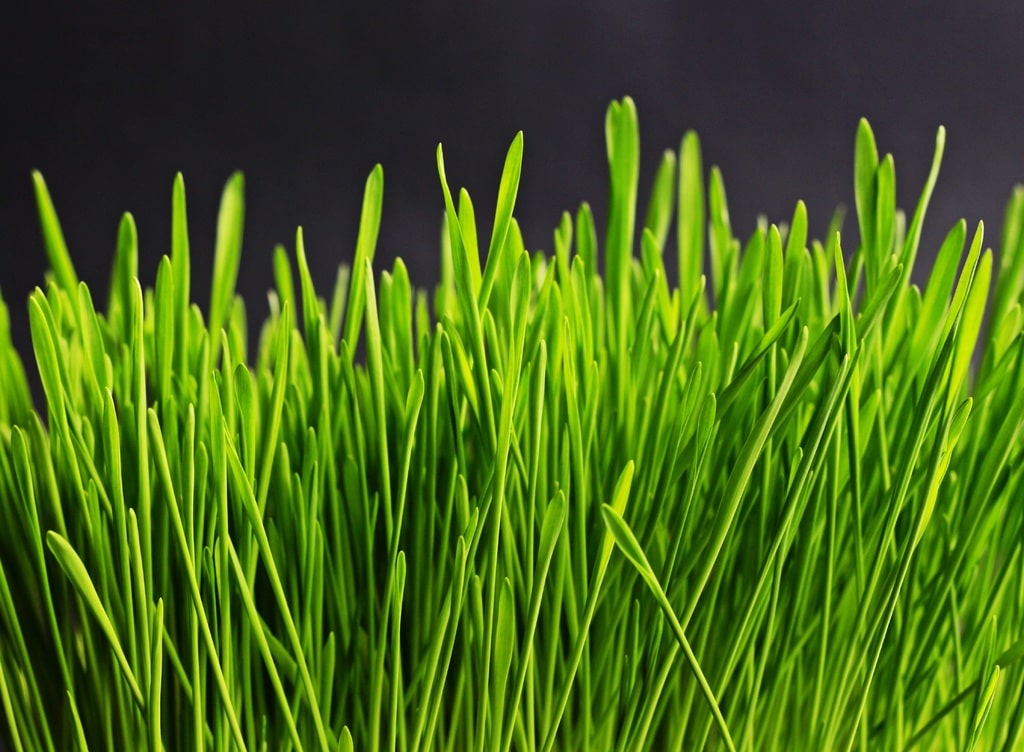
Maintenance requirements for artificial grass
Maintaining artificial grass can seem daunting, but it doesn’t have to be. Regular cleaning is essential to keep your grass looking good and provide maximum longevity. Artificial grass should be swept weekly to remove dust and debris and disinfected periodically using a dedicated artificial turf cleaner. In addition, yearly infill inspections should also be conducted to ensure the integrity of the surface. It’s essential to perform these tasks to guarantee that your artificial grass remains in top-notch condition for many years.
Pros and cons of artificial grass
It is essential to weigh the pros and cons of investing in artificial grass before making the final decision. While synthetic lawns are low maintenance and require minimal effort for upkeep, they typically cannot withstand heavy use, temperature changes, or natural grass. Artificial turf may also come with a higher cost than traditional lawns, which might present a conundrum for those on a restricted budget.
Additionally, many have expressed concerns about the health risks associated with using artificial grass due to the presence of specific abrasive components. Ultimately, the best option is to research the factors most important to you and make an informed decision that fits your environment and lifestyle best.
Concluding Thoughts
When deciding to install artificial grass, it is essential to consider all the factors involved. Carefully weigh the pros and cons of artificial grass to make the best choice for you and your home. Define your needs and consider both the cost of installation and maintenance. By considering all of these things, you will be able to make an informed decision about whether or not artificial grass is suitable for you.


