
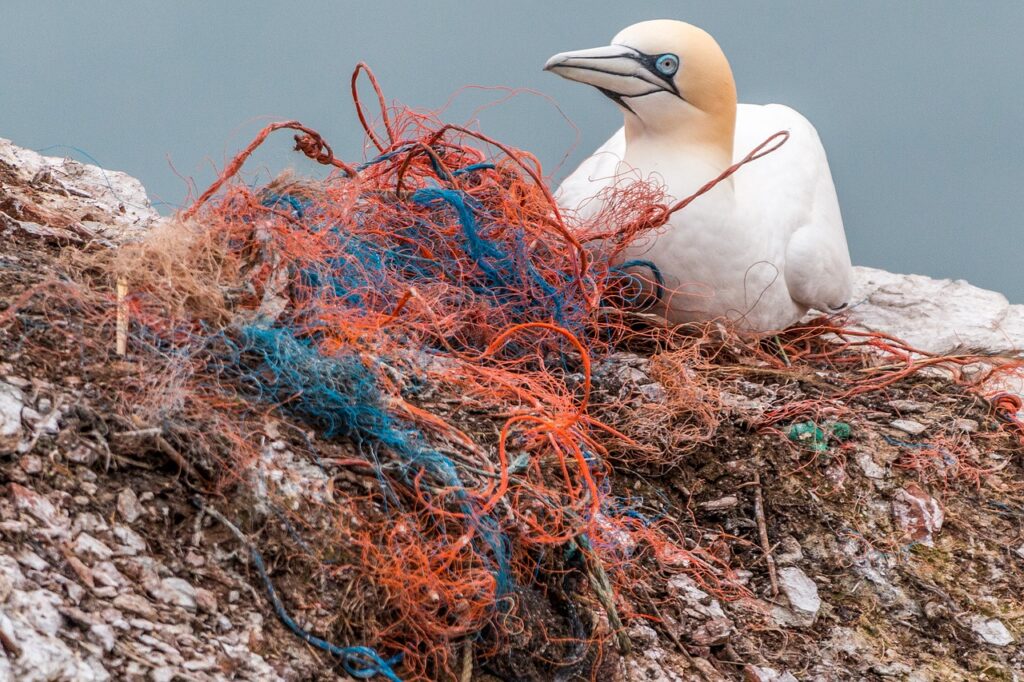
The plastic pollution crisis is so out of hand that even our fruits and vegetables have microplastics in them, sucked up by the roots from the soil when they’re growing. Meanwhile, it is killing and harming animals in nature. For example, hermit crabs have been found dead along the coasts, plastic waste found in the bodies of seabirds, and so much more – too many sad stories to list.
In light of the mounting quantity of concerning news regarding the global plastic pollution problem, organizations are coming together to reach out to citizens and businesses for their opinion. A survey was conducted and a report published on the findings. It shows that consumers and companies are concerned about plastic waste, but they expect governments to do more.
The report says:
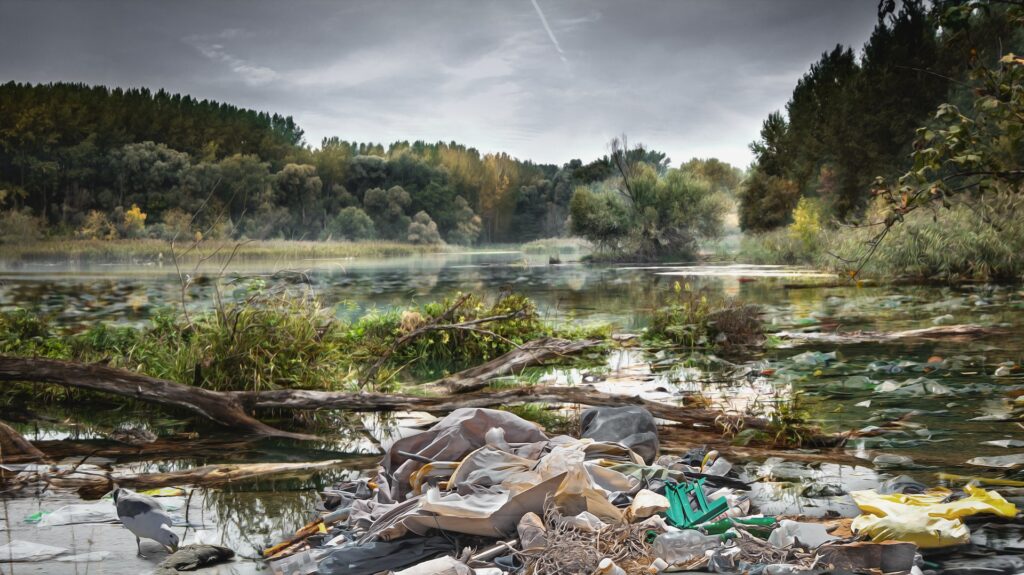
The development of plastics over the last eighty years has led to a revolution in packaging and consumer goods and enhanced convenience for billions of people. Yet a massive amount of plastics has leaked into our environment, with an estimated 8 million metric tons of plastics entering the oceans of the world annually. In less than ten years, there could be 250 million tons of plastics in the oceans. Once in the marine environment, plastics harm marine animals; ingestion has been shown to inhibit growth, making them more prone to tumor development, less successful in reproduction, and less able to detect and evade predators.
The report was conducted by the SEA circular project and Food Industry Asia (FIA) in collaboration with AlphaBeta. SEA circular is an initiative of the UN Environment Programme (UNEP) and the Coordinating Body on the Seas of East Asia (COBSEA), supported by the Government of Sweden.
The Swedish Ambassador to Thailand, Lao PDR, and Myanmar, Staffan Herrström, said:
This study provides valuable insights that can help accelerate the behavioral change needed to beat plastic pollution and prevent marine litter. Importantly, it shows that opinions among consumers and businesses provide ample opportunity for governments to take tangible, effective actions, such as promoting waste segregation at the household level, improving waste collection and recycling capacity, and ensuring better product labeling, all of which will increase recycling rates. This can be pursued through a combination of regulations and incentives, and I encourage governments to use this opportunity.

The regional survey took place across South-East Asia and polled 2,000 consumers and 400 food and beverage businesses. The five countries involved – Vietnam, Thailand, Philippines, Malaysia, and Indonesia – are estimated to be among the top ten sources of plastic marine debris globally.
Dechen Tsering, UNEP’s Regional Director for Asia and the Pacific, said:
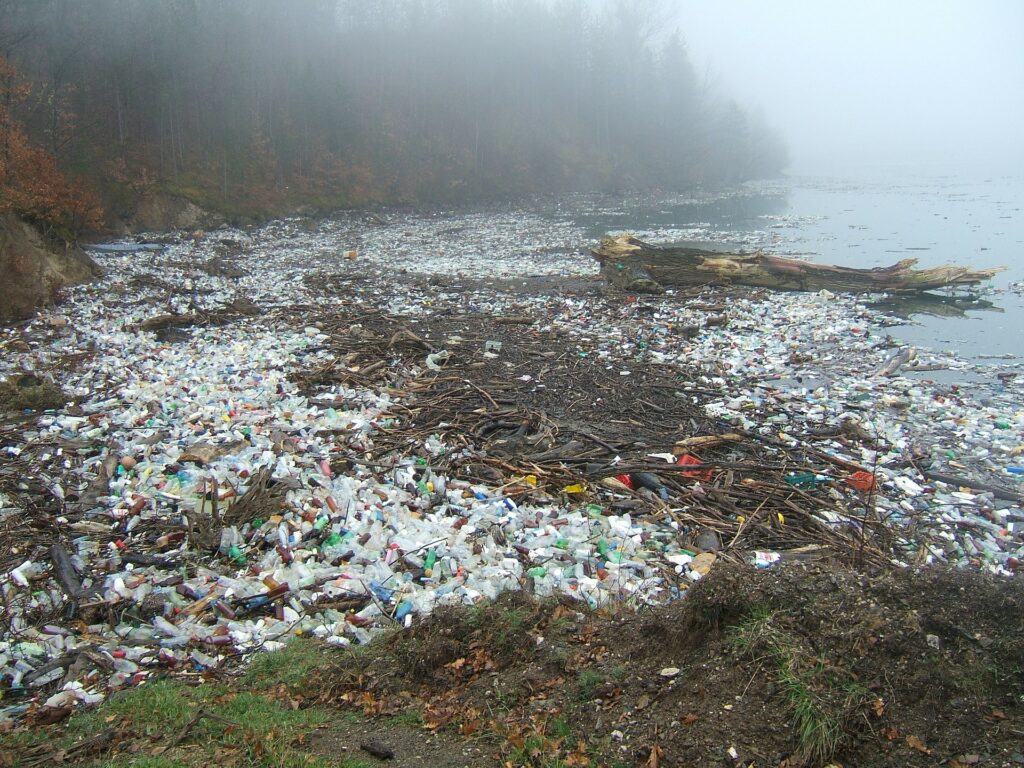
Plastic pollution is choking the waters of South-East Asia. We will need fundamental change throughout the plastic value chain to achieve clean seas and beat plastic pollution. Governments, businesses, and consumers can all increase their ambition and improve their efforts to achieve this goal.
A UNEP press release outlines the key findings as such:
Consumers are concerned about plastic waste but are not changing habits. While 91% of consumers state that they are concerned about plastic waste issues, fewer than half are less likely to buy a product from non-recycled material.
Consumers’ focus on recycling is increasing. While only 54% of consumers are recycling and converting their plastic waste into useful products, 38% more have indicated their interest to do so in the next 12 to 18 months.
Businesses understand that their current efforts are not sufficient. While 82% of businesses are extremely concerned about plastic waste issues, less than half feel their current efforts are sufficient to address the problem.
Targets by businesses on plastic waste need strengthening. 80% of businesses have targets to address plastic waste but of those companies with a target, less than one-third communicate it externally. Among business targets to reduce plastic waste, 74% are quantitative but only 59% have indicated deadlines.
Many businesses are not yet engaged in industry collaborations to tackle plastic waste issues. Over half of businesses (51%) in the five countries are not part of any group tackling plastic waste issues. This ranges from 76% in Viet Nam to 24% in Thailand.
Both consumers and businesses want and expect further action by governments. Consumers and businesses recognize that governments are concerned with plastic waste. Key actions by governments considered most critical include mandating waste segregation, enhancing collection systems, ensuring consistent labeling on product recycling, and imposing littering fines and charges.

Matt Kovac, Executive Director for Food Industry Asia, said:
We are encouraged that companies have been much more involved in coming together to support cities and communities in a significant way to tackle post-consumer plastic waste by accelerating packaging innovation and enhancing plastics collection and recycling, through initiatives like the Circular Materials Lab and the Packaging Recycling Organization Viet Nam. But as the surveys show, many more businesses need to join platforms to scale up efforts. Policies, projects, and funds must work concurrently, as must key actors across the plastics value-chain to build a multi-stakeholder approach that enables businesses, consumers, and governments to find ways to create circular approaches to plastics.
They plan to conduct a similar survey in 2022 for comparison.


