
The human body is just like an ordinary machine that wears away faster at the points where the most stress and tension are focused. Researchers at Sandford searched for solutions and came upon a way to induce cartilage tissue to regenerate in joints by altering the stem cells in that area.
The soft, shock-absorbing tissue that sits between bones in joints like fingers, elbows, knees, and toes is called articular cartilage. This cartilage wears away with age or is damaged by injury, which leads to ongoing pain, inflammation, and eventually, it can turn into arthritis and other conditions.
Charles K.F. Chan, the study’s co-senior author, said:
Cartilage has practically zero regenerative potential in adulthood, so once it’s injured or gone, what we can do for patients has been very limited. It’s extremely gratifying to find a way to help the body regrow this important tissue.
For the study, published on August 17 in the journal Nature Medicine, the team looked into what happens during and after an existing treatment by a technique known as microfracture. This method involves drilling small holes into the joint’s surface, which stimulates the growth of new cartilage-like tissue. While it helps, it’s not the real deal; it’s ‘cartilage-like,’ not cartilage.
Chan explained:
Microfracture results in what is called fibrocartilage, which is really more like scar tissue than natural cartilage. It covers the bone and is better than nothing, but it doesn’t have the bounce and elasticity of natural cartilage, and it tends to degrade relatively quickly.
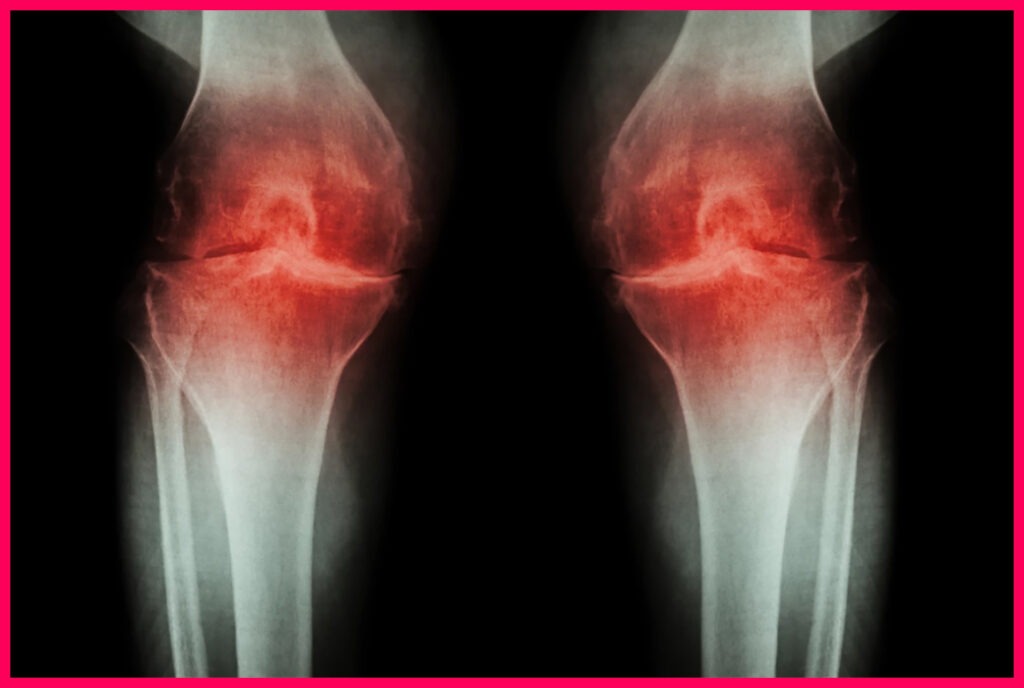
Microfracture stimulates the skeletal stem cells in the joint to regrow tissue. However, the researchers didn’t want this tissue. Therefore, they tested on mice whether they could grow cartilage instead.
Bones go through a phase of being cartilage as they develop, so the team set out to find out whether they could be paused at that point of development. They used a molecule called bone morphogenetic protein 2 to start the bone formation after a microfracture process. Before it turned into bone, the researchers then paused the process by blocking a molecule known as a vascular endothelial growth factor. The results were successful.
Chan concluded:
What we ended up with was cartilage that is made of the same sort of cells as natural cartilage with comparable mechanical properties, unlike the fibrocartilage that we usually get. It also restored mobility to osteoarthritic mice and significantly reduced their pain.
Since the process also proved efficient in mice with human tissue, the team’s next steps will be to investigate the treatment even further to see if it would be a viable solution in humans. If all goes well, human clinical trials will start with small joints like fingers, before moving up to larger ones like elbows and knees.
There’s a lot of research that uses stem cells for repairing or regenerating, including a recent study in which stem cell-filled capsules were implanted by the damaged hearts of mice to repair heart tissue and reduce scarring.


