
What is the first thing your fingers notice when picking up a product? It may not be the logo or the color, but the feel. Surface texture in packaging does more than catch light; it communicates subtle stories about the product, the brand, and the values they stand for. In a marketplace crowded with visual noise, texture can become the subtle differentiator that turns attention into trust and trust into loyalty.
In today’s crowded marketplace, brands compete for consumer attention in a constant battle of visuals and messaging. While color, shape, and graphics are the traditional tools of engagement, a more subtle and powerful sense is often overlooked: touch. The tactile experience of a product’s packaging can create an instant, subconscious connection, shaping opinions and influencing decisions long before a customer ever reads a single word on the label.
This guide explores the strategic importance of texture as a cornerstone of modern packaging design. We will discuss the psychology of how touch influences consumer behavior, examine the key trends driving the shift toward more diverse and sensory materials, and look at how a thoughtful approach to texture can elevate brand identity. More than just a finishing touch, the right surface feel is an essential part of a brand’s unspoken promise of quality and a key differentiator in building lasting loyalty.
Key Takeaways:
- Surface texture in packaging influences how consumers perceive quality, authenticity, and brand values, often before they even read a label.
- Matte, uncoated, and tactile finishes create a more honest, intimate feel compared to glossy surfaces, subtly shaping emotional response.
- Brands are using texture to differentiate products, enhance storytelling, and align with trends like sustainability, minimalism, and luxury.
- As packaging evolves, texture is becoming a strategic tool, integrating function, eco-conscious design, and even smart tech to deepen consumer engagement.

The Psychology of Touch: Why Feel Matters
Human perception is wired to respond not just to sight but also to touch. While vision captures immediate attention, touch plays a powerful, supportive role in perception. If packaging feels pleasant, consumers are more inclined to believe the product inside is also high quality. Rough or unfinished textures often signal “cheap,” while smoother or thoughtfully textured finishes communicate care, craftsmanship, or luxury.
Textures also interact with visual cues. Glossy finishes reflect light and catch the eye, but that very sheen can sometimes feel less authentic and more like an “advertisement.” Matte finishes—soft, low-reflective surfaces—can convey honesty and groundedness and even feel more intimate. These tactile signals help form the first layers of expectation.
Trends Driving the Shift Toward Texture Diversity
Increasingly design-literate and digitally overwhelmed consumers are seeking packaging that feels distinctive. Texture has become a key player in the sensory experience of a product, adding a physical layer of storytelling that visuals alone can’t achieve.
Brands are exploring this principle in several creative ways:
- Skincare and wellness: A matte-finished bottle or soft-touch box suggests natural ingredients or a minimalist ethos, appealing to consumers drawn to clean beauty or wellness-focused products.
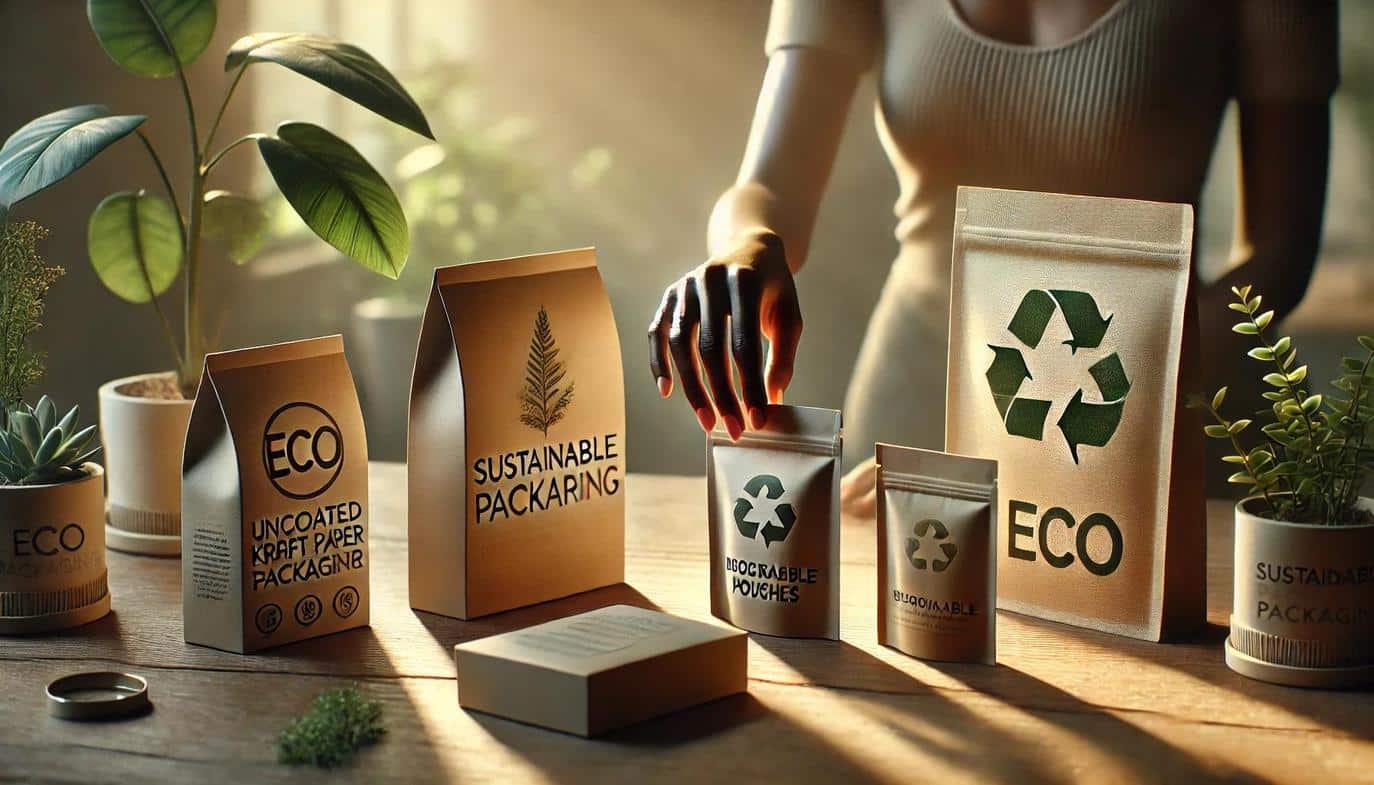
- Eco-friendly goods: Uncoated, raw, or kraft-like textures feel more sustainable in hand, reinforcing messages of environmental responsibility, even before the label is read.
- Luxury or limited editions: Embossed labels, raised coatings, or velvety finishes lend a tactile sense of exclusivity that sets premium lines apart on the shelf.
- Artisanal and craft packaging: Textured papers or layered materials can convey a handmade quality, making the product feel curated and human rather than mass-produced.
This approach invites interaction, fosters curiosity, and deepens the emotional bond between the brand and its buyer.
Beyond Aesthetics: Sustainability and Function
Texture trends aren’t just aesthetic. There’s a strong sustainability component to many of the newest finishes. Uncoated, mattelike surfaces help reduce reliance on plastic coatings or heavy gloss varnishes. Plant-based inks, less shiny finishes, and raw material textures signal eco credentials.
Functionally, textured surfaces can offer practical perks, such as improved readability by reducing glare, fingerprint resistance, and enhanced durability against wear and damage. For example, the value of matte labels often lies not only in their visual tone but also in their ability to resist smudges and enhance legibility.
The Future of Packaging: Texture as a Core Strategy
As technology and consumer expectations evolve, texture is poised to move from being a design flourish to a strategic asset. Several potential directions for this evolution include:
- Smart and interactive textures: Packaging that changes under touch, heat, or pressure and more advanced haptics.
- Digital-physical hybrids: Surface textures that integrate digital features. This could be QR codes embedded in embossing or texture cues that trigger augmented reality experiences.
- Personalization of touch: Custom tactile finishes per batch or consumer segment (e.g., limited editions with particular textures).
- Greater material innovation: Biobased substrates, inks, and coatings that can replicate luxurious textures while being fully recyclable or compostable.

Texture: The Unspoken Language of Your Brand
In a visually saturated market, surface texture in packaging does more than decorate; it communicates. It shapes brand perception, signals quality, and builds an emotional connection that sight alone cannot achieve. For today’s discerning consumer, the tactile experience of a package can be the deciding factor that influences trust, appeal, and ultimately, the purchase decision. A brand that overlooks texture in its packaging design risks creating an identity that, while visually appealing, feels incomplete.
Moving forward, sensory branding through texture should be treated as a core component of visual identity, not an afterthought. The weight, finish, and feel of a label or box are integral to the story your brand tells. By strategically incorporating tactile elements, you are not just designing what consumers see—you are defining what they feel and, most importantly, what your brand stands for in their hands.
Your Questions on Packaging Texture Answered
How Does a Matte vs. Glossy Finish Affect Brand Perception?
While a glossy finish frequently exudes energy and attracts attention, it occasionally lacks authenticity. In contrast, a matte finish, with its low reflectivity and soft feel, tends to signal honesty, minimalism, and a more intimate or premium quality, making it popular for wellness and luxury brands.
What Is the Role of Touch in Consumer Psychology?
Touch, or haptics, plays a critical role in how we perceive value. A pleasant, high-quality tactile experience with a product’s packaging can lead consumers to subconsciously believe the product inside is also of high quality, creating a “halo effect” that influences their purchase decision.
How Does Sustainable Packaging Use Texture?
Sustainable packaging often uses uncoated papers, raw materials, and kraft-like textures to create a natural and earthy feel. These tactile cues instantly reinforce a brand’s commitment to environmental responsibility, often communicating its eco-friendly values even before a consumer reads the label.
What Are Some Common Types of Tactile Finishes in Label Design?
Common tactile finishes in label design include embossing (creating a raised pattern), debossing (creating an indented pattern), soft-touch matte finishes (providing a velvety feel), and using textured paper stocks. Each technique adds a unique sensory dimension to the packaging.


