
True home safety extends beyond locks and cameras to protect against threats that cannot be seen. The two most critical dangers, fire and carbon monoxide (CO), are silent and fast-acting. A fire can engulf a room in minutes, while CO—an odorless, invisible gas—can become lethal without any warning, posing a significant risk to every household.
The Invisible Threats in Your Home
Because these threats are undetectable by human senses, a reliable electronic warning system is not just a precaution—it is an essential layer of security. A modern smoke and carbon monoxide alarm is the most effective tool for providing that crucial, early alert. It serves as your first line of defense, offering the critical moments needed to respond.
Making an informed decision is the first step toward comprehensive protection. Understanding the technology and key features available is essential. This guide covers why every home needs a combined unit, the features that matter most, and how to choose the best smoke and carbon monoxide alarm for your family.

The Case for a Combined Smoke and CO Alarm
Some homeowners still purchase smoke alarms and CO detectors separately. While this approach seems logical, a combined smoke and carbon monoxide alarm is the smarter choice in practice. It provides two layers of protection in one device. That means less equipment to buy, fewer holes drilled in the ceiling, and a single unit to test and maintain.
One combined alarm also reduces the chance of missing a critical warning. Fires and CO leaks rarely give you much time to react. In an emergency where every moment is critical, a dual-function device can make the difference between a safe escape and a serious accident.
Types of Smoke and Carbon Monoxide Alarms
| Type | What It Detects | Pros | Cons | Best For |
|---|---|---|---|---|
| Smoke Alarm Only | Smoke from fire | Low cost, widely available | No CO protection | Budget buyers, basic fire safety |
| Carbon Monoxide Alarm Only | Carbon monoxide gas | Essential near fuel-burning appliances | No fire protection | Homes with furnaces, gas stoves, or attached garages |
| Combined Smoke & CO Alarm | Smoke + CO | Two-in-one protection, saves space, easier maintenance | Slightly more expensive | Most households |
| Smart Alarm | Smoke + CO, plus app alerts | Remote monitoring, advanced features | Highest cost | Tech-savvy families, frequent travelers |
Summary
A combined smoke and carbon monoxide alarm is the most practical and effective option for most families. It delivers two layers of protection in one device, avoids the hassle of maintaining multiple units, and when paired with smart features, it offers the best balance of safety, convenience, and peace of mind.

A Quick Checklist for Buyers
When comparing alarms, keep these points in mind:
- Does it detect both smoke and CO?
- Is it safety certified (UL, EN, or equivalent)?
- Is the alarm volume high enough to wake you?
- Does it offer long-life power, either a sealed battery or backup supply?
- Do you want smart alerts on your phone?
- Is installation simple and maintenance minimal?
If you can answer “yes” to most of these, you’re on the right track to choosing the best smoke and carbon monoxide alarm for your household.
Essential Features of a High-Quality Alarm
Key differences in features and performance distinguish one alarm from another. When you start shopping, focus on these key factors:
- Detection Sensitivity: A good alarm reacts quickly to smoldering fires, fast flames, and CO buildup, giving you more time to get out safely.
- Alarm Volume: Look for models rated at least 85 decibels. Some provide voice alerts, which can be more effective for waking children and older adults.
- Power Source: Choose between battery-operated, hardwired, or 10-year sealed battery models. Sealed units are popular for their “install and forget” simplicity.
- Smart Connectivity: Many alarms now connect to Wi-Fi, sending instant alerts to your smartphone if a leak or fire occurs, even when you are away.
- Self-Testing Features: Modern devices can run self-checks and warn you about low batteries or sensor issues before they become a problem.
- Safety Certification: Always look for an official mark like UL (in the U.S.) or EN (in Europe) to guarantee the alarm has been independently tested for reliability.

Proper Installation and Maintenance for Peak Performance
Proper installation is critical for an alarm to provide effective protection. Bedrooms and hallways are priority locations—anywhere people sleep should have coverage. Install units near kitchens, but not directly over stoves, to avoid false alarms. Don’t forget basements and garages, where CO risks are highest. And at least one alarm should be installed on every level of your home.
Mount alarms on ceilings or high on walls, away from vents, fans, or drafty windows. Follow the manufacturer’s spacing guidelines for the best results.
Once installed, maintenance is simple but essential. Follow these steps to ensure your alarm is always ready:
- Test Monthly: Press the test button on your alarm once a month to ensure it is working.
- Clean Occasionally: Gently vacuum the unit with a soft brush attachment to remove dust that can interfere with sensors.
- Replace Batteries: Change batteries as needed, or choose a sealed 10-year battery model to eliminate this step.
- Replace the Unit: The entire alarm should be replaced every 7 to 10 years, as the sensors lose effectiveness over time.
A Brand Comparison: GasDog vs. Leading Competitors
Well-known brands like Kidde and First Alert have built their reputation on reliable protection—and the GasDog smoke and carbon monoxide alarm belongs in that same category. At the core, they all provide what every family expects:
- Dual protection that covers both smoke and carbon monoxide in one unit
- Certified safety with UL approval and compliance with international standards
- Long sensor life, delivering up to a decade of dependable detection
- Trusted alerts with a clear, audible warning when danger is detected
That’s the baseline. But here’s where GasDog starts to pull ahead. It’s designed with the small, everyday frustrations of homeowners in mind—things that traditional alarms often ignore.
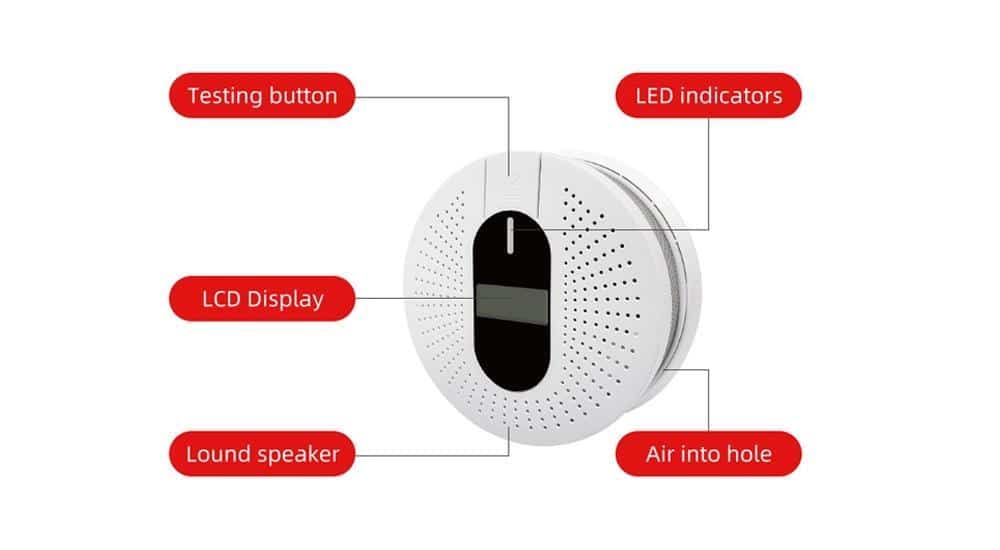
- With the real-time LED display, you’re not just waiting for a beep—you can see CO levels as they begin to rise. That real-time information is critical, as the difference between an early warning and a last-minute alert can be seconds.
- An extra-loud siren (≥90dB) provides extra assurance for families with children, older adults, or heavy sleepers
- A rechargeable battery means less waste, less cost, and no need to toss the entire unit after a decade
- And installation? Simple DIY. No electrician, no complicated wiring—ideal for apartments, rentals, or anyone who wants quick setup without the fuss
So, while GasDog checks all the same boxes as the leading brands, it also brings something extra: usability and transparency. It’s not just another alarm you mount and forget—it’s a tool your family can rely on and actually understand.
Final Thoughts on Essential Home Safety
Home emergencies are unpredictable, and the risks of fire and carbon monoxide are too significant to ignore. The best defense is a proactive one, centered around a reliable smart smoke detector. A modern combined smoke and CO alarm provides two critical layers of protection in a single, easy-to-manage device, eliminating coverage gaps and simplifying maintenance. Prioritizing features like UL certification, a long-life battery, and remote alerts ensures your home is monitored by a system designed for immediate and effective response.
Ultimately, choosing the right alarm is a foundational investment in your family’s well-being. It’s about replacing uncertainty with the reassurance that a robust safety net is in place 24/7. By making an informed choice based on proven technology and certified performance, you secure the peace of mind that comes from knowing your home and loved ones are protected against invisible threats.
Frequently Asked Questions About Smoke and CO Alarms
Why is a combined smoke and CO alarm recommended?
A combined unit is recommended for efficiency and comprehensive protection. It saves space, requires less maintenance than two separate devices, and ensures you are alerted to both fire and carbon monoxide threats from a single, reliable source.
Where are the most important places to install these alarms?
For optimal fire safety, you should install an alarm inside each bedroom, outside every sleeping area, and on every level of the home, including the basement. Because fuel-burning appliances are a primary source of carbon monoxide, it is also critical to have a detector near attached garages and furnace rooms.
How often should a smoke and carbon monoxide alarm be replaced?
The entire alarm unit, not just the batteries, should be replaced every 7 to 10 years. Over time, the sensors inside the device lose sensitivity and become less reliable. Most modern units have a manufacturing or expiration date printed on them.
What are the advantages of a smart smoke detector?
A smart smoke detector connects to your home’s Wi-Fi to send instant alerts to your smartphone. This allows you to monitor your home’s safety from anywhere, receive notifications if an alarm is triggered, and in some cases, silence false alarms remotely from an app.

