
A common oversight in the “smart home” conversation is the focus on voice assistants and colour-changing lightbulbs, while the real foundation is often missed: security that actually makes sense for how we live today.
A deep dive into home automation reveals a key insight. The smartest homes aren’t the ones with the most gadgets. They’re the ones built on solid infrastructure that keeps you safe while using less energy. Companies like Labs Smart Wiring understand this principle; they don’t simply slap cameras on walls but instead consider how security integrates with your entire home ecosystem.
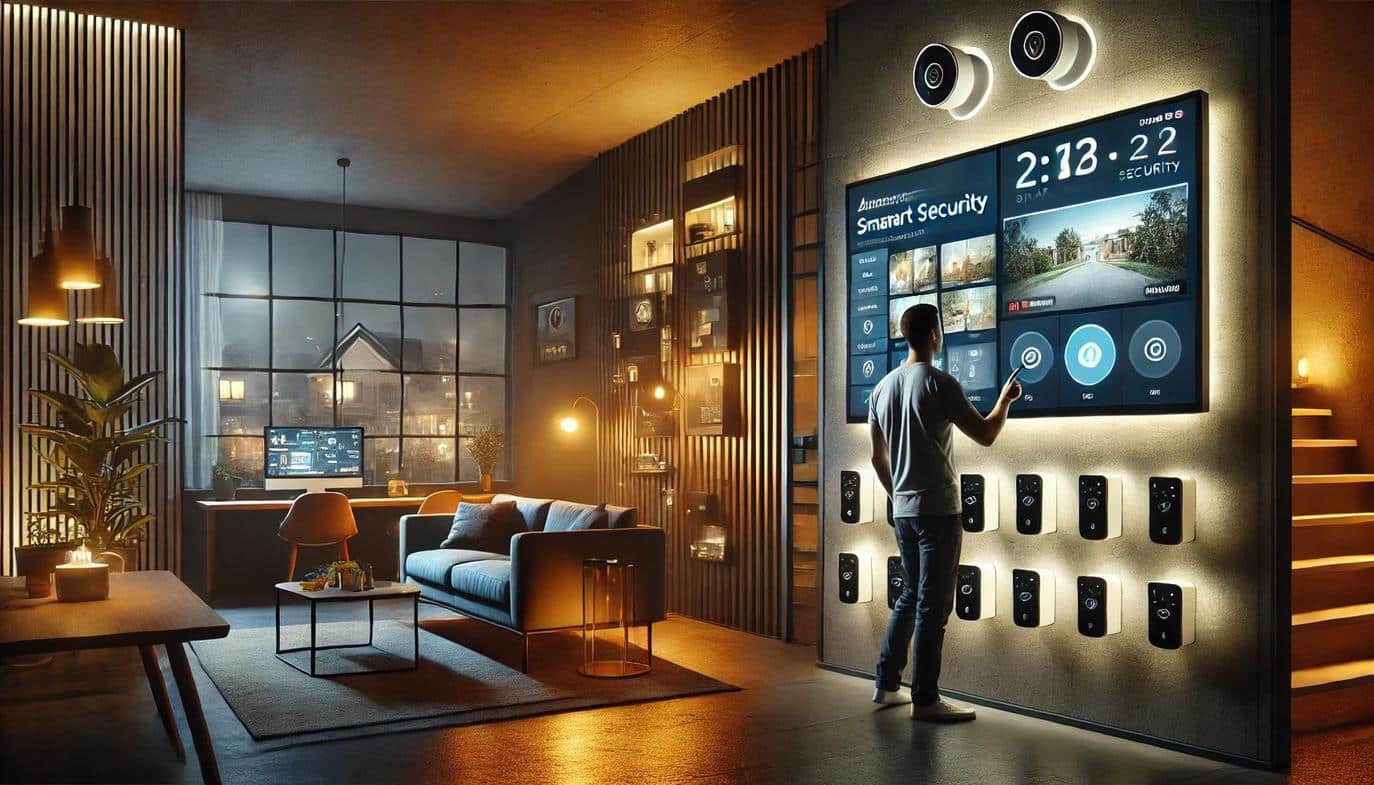
A properly designed security system offers benefits that extend far beyond deterring intruders. Modern CCTV with AI detection means your cameras only record when something actually happens. No more hours of footage of your driveway doing absolutely nothing. That’s less storage, less energy, and less waste.

Uncovering The Core Benefits of Smart Infrastructure
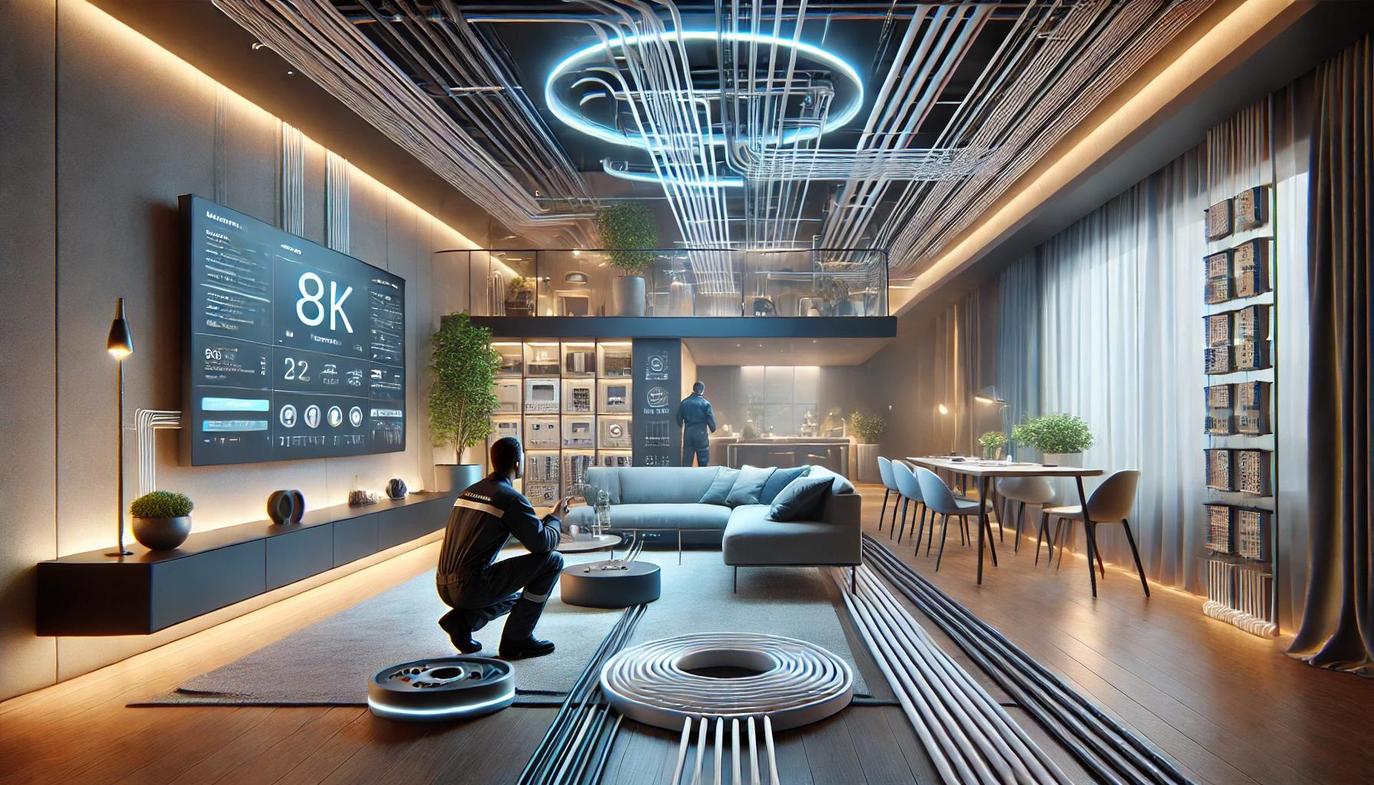
Wiring your home correctly from the start, including proper NBN cabling pathways and structured data networks, sets you up for a decade of efficiency gains.
For instance, retrofitting an older house with smart security often proves to be a considerable expense, primarily because the foundational wiring is not in place. Meanwhile, homes with proper infrastructure can integrate new technology with minimal effort.
The Power of Seamless Integration
The real game-changer, however, is integration. A fully integrated system allows all your smart devices to communicate, leading to powerful automation possibilities:
- Enhanced Security: Your security system can trigger lights to turn on automatically when someone approaches your door at night.
- Convenience: A single button can put your entire home into “away mode” when you go on vacation, securing locks and adjusting systems.
- Peace of Mind: You no longer need to run around checking individual locks and switches like our parents did.
Energy Savings You Can Actually See
Intelligent living delivers significant advantages in energy consumption. Old security systems were notorious for their constant power drain—always on, always recording, and always consuming energy. Modern systems, however, are far more intelligent with their power consumption.
Modern systems achieve these advantages through intelligent design:
- Motion-Activated Cameras: These devices remain in a low-power sleep mode until activity is detected, saving significant energy.
- Adaptive Alarms: The system can adjust its status based on whether you’re home, reducing unnecessary power consumption.
- Efficient Communication: Devices use your existing internet for communication, eliminating the need for power-drawing dedicated phone lines.
Upgrading to a smart security setup can lead to significant energy savings, with many users seeing a reduction of over 20% in that category alone. Not because the equipment is magic, but because it only uses power when it needs to.
The Privacy Angle Everyone Forgets
A surprising advantage lies in data privacy. Local storage options mean you don’t have to send all your footage to some random server farm. Your data stays yours. In an age where every app wants to harvest your information, keeping your security footage local feels like taking back control.
Plus, with proper network segmentation (a technical term for keeping your security devices separate from your Netflix streaming), you’re far less vulnerable to hacks. Protecting your data in an era of constant information harvesting is a valid and necessary precaution.
Building A Future-Ready Home on a Solid Foundation
While the exact future of home technology is uncertain, one guarantee is the continued need for excellent cabling and network infrastructure. That’s why thinking ahead matters.
Installing conduits now means you can pull new cables later without tearing up walls. Getting the right data pathways means that you’ll be ready for whatever comes next, whether it’s 8K cameras or holographic doorbells.
Best of all, this approach isn’t an expensive form of futureproofing. It’s a practical investment for today that prepares you for tomorrow.
Why Your Smartest Choice Is the Right Foundation
An emphasis on infrastructure doesn’t mean everyone needs to turn their home into a fortress. But if you’re already thinking about sustainability, energy efficiency, and intelligent living, security infrastructure is the logical starting point.
Everything else builds on this foundation. Get it right, and adding solar panels, smart thermostats, or whatever eco-innovation comes next becomes simple. Get it wrong, and you’re looking at constant retrofitting and wasted energy.
The intelligent home isn’t about having the most technology. It’s about having the right technology, installed properly, and working together efficiently.
That’s when your house stops being just a building and starts being a partner in how you want to live. Start with security and infrastructure. Everything else follows naturally from there.
Why a Solid Security Foundation Is Non-Negotiable
Building a truly intelligent home doesn’t begin with flashy gadgets. It starts with a robust and thoughtfully planned security infrastructure. Prioritising the foundational elements like structured cabling and integrated systems does more than protect your home; it creates an efficient, adaptable, and future-ready ecosystem. This initial investment paves the way for seamless integration of future technologies, from advanced energy solutions to next-generation home automation, ensuring your home evolves with the times rather than becoming obsolete.
A focus on core infrastructure provides a smarter, more sustainable path that yields long-term benefits in energy savings, convenience, and peace of mind. The most intelligent decision isn’t just about the technology you add but about the solid foundation you build it upon. When your home’s framework is built for efficiency and integration, it transforms from a simple structure into a genuine partner in modern living.
Frequently Asked Questions About Smart Home Security
How Does Smart Security Improve Energy Efficiency?
Smart security systems enhance energy efficiency by operating only when necessary. Motion-activated cameras remain in a low-power state until activity is detected, and integrated systems can automatically adjust lighting and thermostats based on whether you are home, significantly reducing wasted electricity compared to older, always-on security equipment.
What Is Futureproofing in Home Automation?
Futureproofing involves installing foundational infrastructure, such as proper cabling, data pathways, and conduits, during the initial setup. This allows homeowners to easily adopt new technologies—like higher-resolution cameras or advanced smart devices—in the future without needing to undertake costly and disruptive retrofitting projects.
Can I Keep My Security Footage Private?
Absolutely. Modern smart security systems offer local storage solutions, allowing you to keep all video footage on a private device within your home network. This avoids uploading sensitive data to third-party cloud servers and gives you complete control over who can access your information.
Is Professional Installation Necessary for Smart Security?
While some DIY options exist, professional installation is highly recommended for creating an integrated and reliable system. Experts ensure that wiring is correctly routed, network segmentation is secure, and all components work together seamlessly, which is crucial for both performance and long-term efficiency.


