
When people discuss the future of sustainable living, they mention solar panels, electric cars, and smart homes. But a significant shift is happening in design materials, driven by wood. Real wood, responsibly sourced and thoughtfully used, is making a comeback. The resurgence of wood is not due to nostalgia, but rather to its innovative nature.
It’s time to stop thinking of wood as just a traditional material. It’s rapidly becoming one of the most advanced, sustainable, and emotionally intelligent design choices for modern homes.

Why the Smartest Homes Still Use Wood
In a world obsessed with clean lines and smooth glass, wood does something rare: it adds texture and warmth without disrupting function. It balances out the hard edges of smart tech with a softer sensory experience.
In fact, studies suggest that wood surfaces can help lower stress levels and improve focus, especially in tech-heavy environments. As our homes get smarter and more digitized, materials like wood keep the spaces we live in grounded and livable.
High-Performance Wood: More than Just Sustainable
Most people know wood is renewable, but fewer talk about its high-performance capabilities. The material is being reimagined to meet modern standards through innovations like:
- Cross-laminated timber
- Thermally modified wood
- Engineered hardwoods
These aren’t your average planks. They’re moisture-resistant, thermally efficient, and strong enough to rival steel in certain architectural builds.
Choosing wood doesn’t mean choosing fragility. It means choosing adaptability.
Improving Indoor Air Quality with Natural Wood
Wood also contributes to better indoor air quality. Unlike some synthetic materials, real wood doesn’t off-gas harmful chemicals, especially when finished with low-VOC sealants. And according to the EPA’s guide to indoor air quality, building materials are one of the biggest contributors to what you breathe inside your home.
For any design process focused on health and sustainability, wood is an essential material to consider.
The New Face of Modern Woodcraft and Design
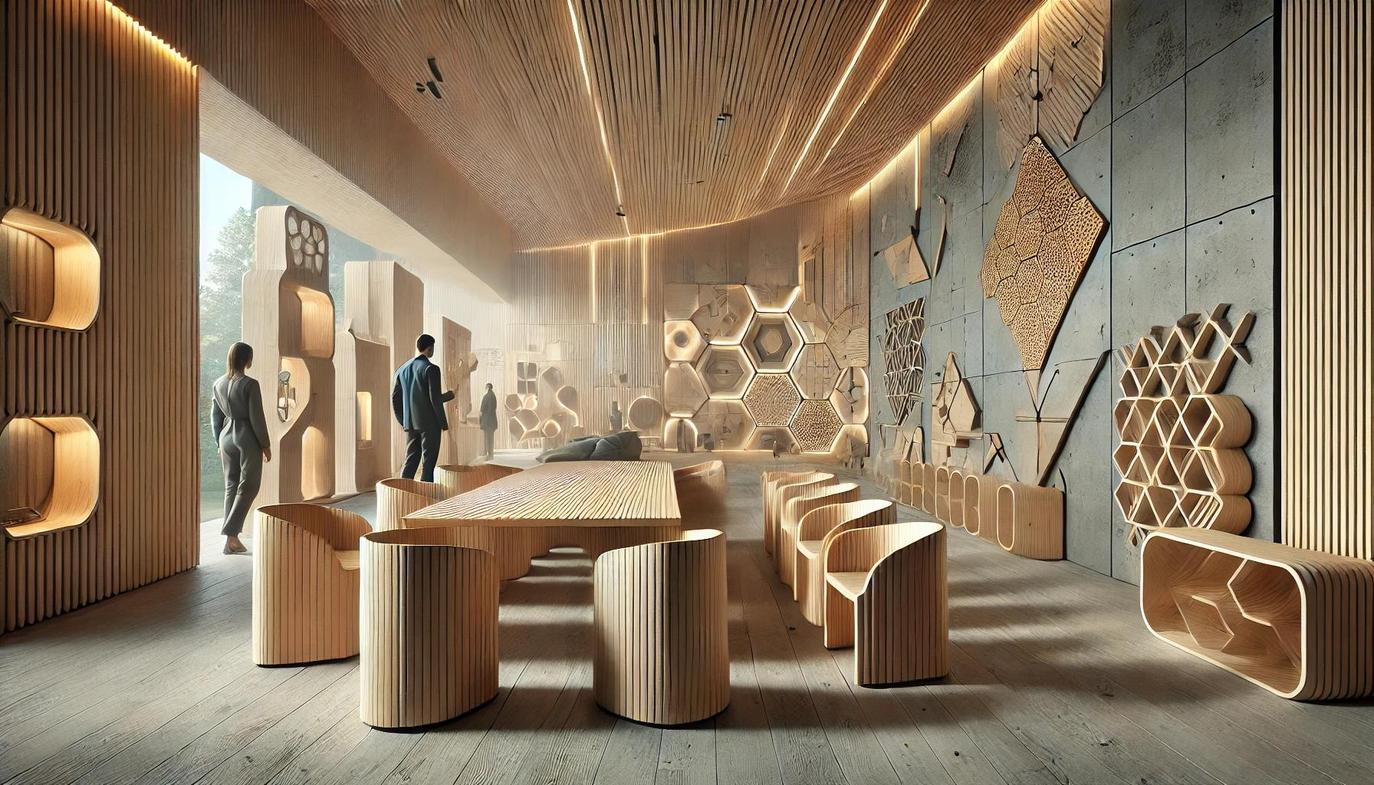
This isn’t about cabin-core aesthetics or old-school woodworking. Today’s wood design is clean, sculptural, and often surprisingly futuristic. Think geometric wall panels that double as acoustic control. Modular furniture made from FSC-certified ash. Smart shelving systems that balance beauty with algorithm-level efficiency.
To explore what handcrafted wood looks like at its best, take a look at Woodcraft. They are a Canadian company creating high-quality furniture and decor that blends timeless craftsmanship with modern sensibilities. Their pieces aren’t just furniture. They’re long-term design investments that evolve with your space.
Biomimicry in Design: What Trees Already Knew
Nature is the original architect. The branching systems in trees, the cellular makeup of wood, and the way forests manage stress and load are all being studied for their architectural genius. This isn’t theoretical; it’s already being used in modern design. Universities and researchers are actively exploring how biomimetic architecture links buildings with the natural world by mimicking natural forms, especially the structural integrity of trees.
The result is lighter buildings, smarter use of materials, and a design language that feels inherently aligned with our environment.
The Quiet Tech Behind Acoustic Wood Panels
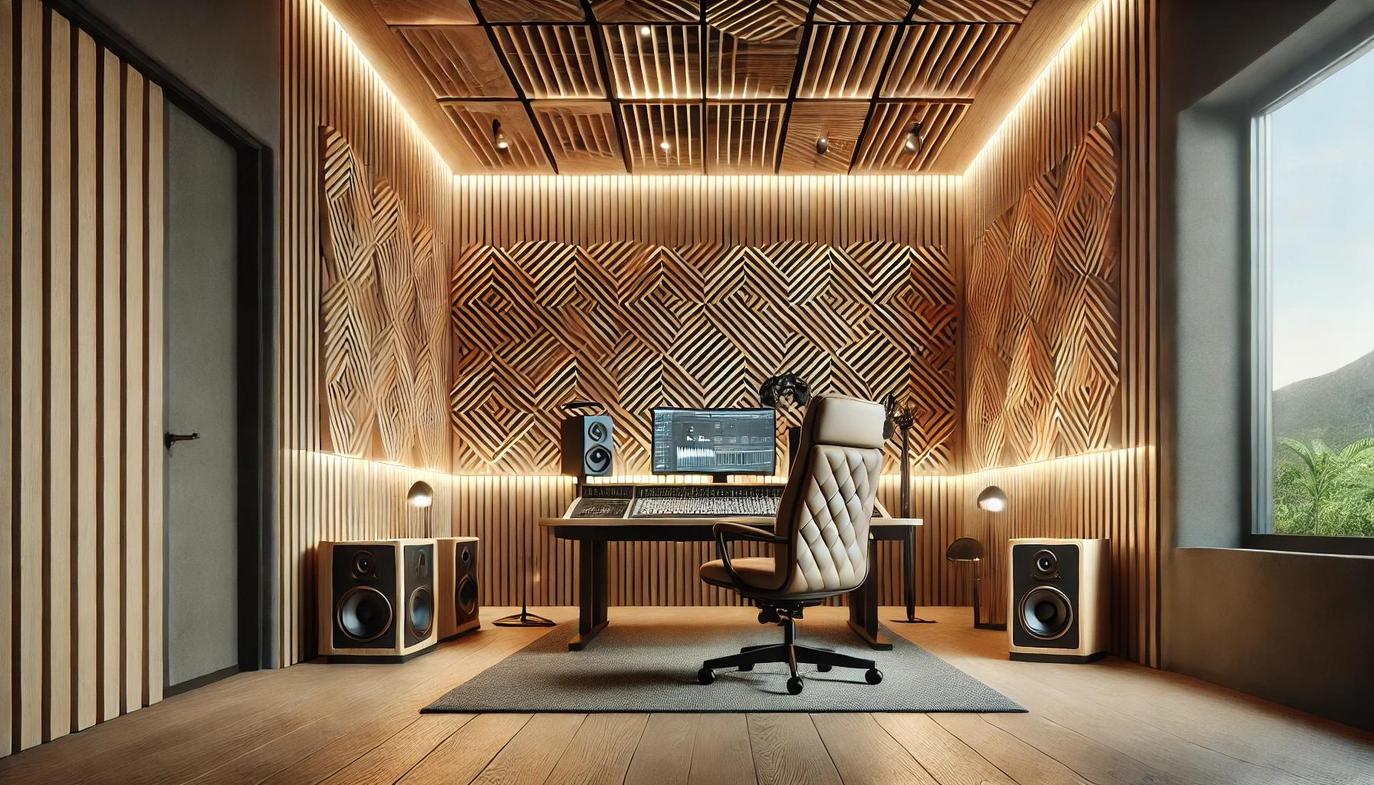
You don’t always need smart speakers to improve your soundscape. Acoustic wood panels are a design-forward way to reduce echo, soften sharp noises, and elevate a room’s sound profile. Whether you’re designing a hybrid office or a home podcast studio, wood can balance the acoustics with style. It’s a form of passive technology; no wiring required, just smart material placement.
Wood and Thermal Intelligence: Naturally Regulating Comfort
Wood has a lower thermal conductivity than concrete, metal, or tile. That means it doesn’t absorb or radiate heat in extreme ways. It keeps interiors feeling consistent. Thermally modified wood goes even further, offering greater insulation and resistance to climate fluctuations. In passive homes and zero-energy builds, this thermal stability is critically important.
A Sustainable Answer to Fast Furniture
The rise of disposable furniture is catching up to us. Landfills are filling with chipboard desks and particleboard shelves that don’t last a season. Wood, when sourced responsibly, is a direct response to this cycle. Wood not only lasts longer, but it also improves with age, representing a shift from mere sustainable design to true circular thinking.
Digital Craftsmanship: How CNC Machines Elevate Woodwork
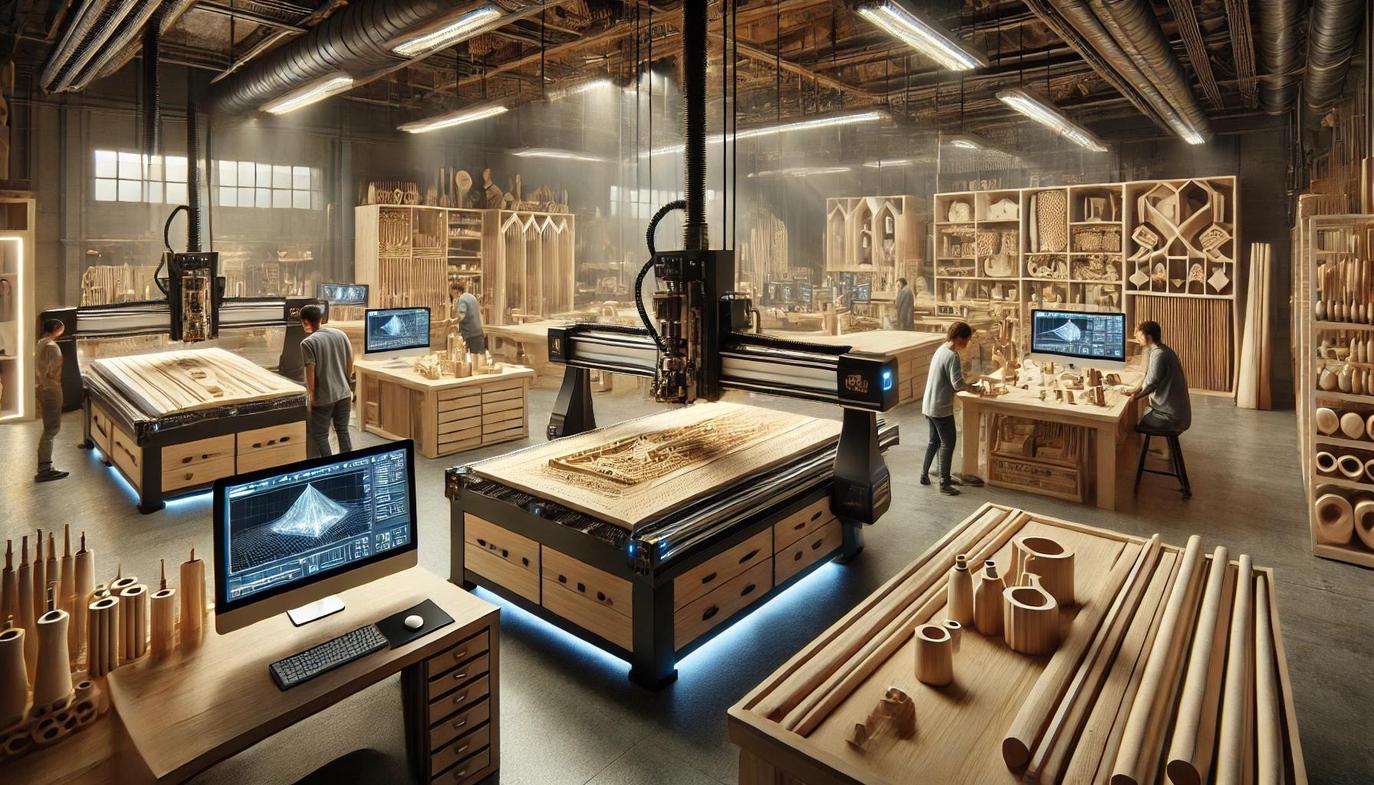
Woodworking has gone high-tech. Today’s designers use digital modeling and precision tools to cut, carve, and sculpt wood with microscopic accuracy. CNC (Computer Numerical Control) machines are at the heart of this shift, transforming once labor-intensive processes into scalable, sustainable craftsmanship.
At institutions like the University of Illinois Design Center’s CNC Lab, students and professionals alike explore how advanced routing and milling techniques can reduce waste while pushing design boundaries. This fusion of traditional material and digital control is making wood more versatile than ever before.
Smart Storage, Solid Form: Wood in Intelligent Interiors
As homes shrink and multitask, storage must do more. Built-in wood systems offer an elegant solution. From staircase drawers to modular wall units, real wood makes storage beautiful and structural. Paired with integrated lighting or sensor-based doors, you get the utility of smart design with the emotional impact of craftsmanship.
The Future of Woodworking: Robotics and Automation
Robotics is entering the woodshop—and it’s unlocking new possibilities. Automated joinery, sanding arms, and AI-assisted pattern recognition are reducing waste and increasing efficiency. Designers can now create intricate wood pieces that would have taken weeks by hand. This tech doesn’t replace craft. It extends it.
Wood As a Natural Carbon Storage Solution
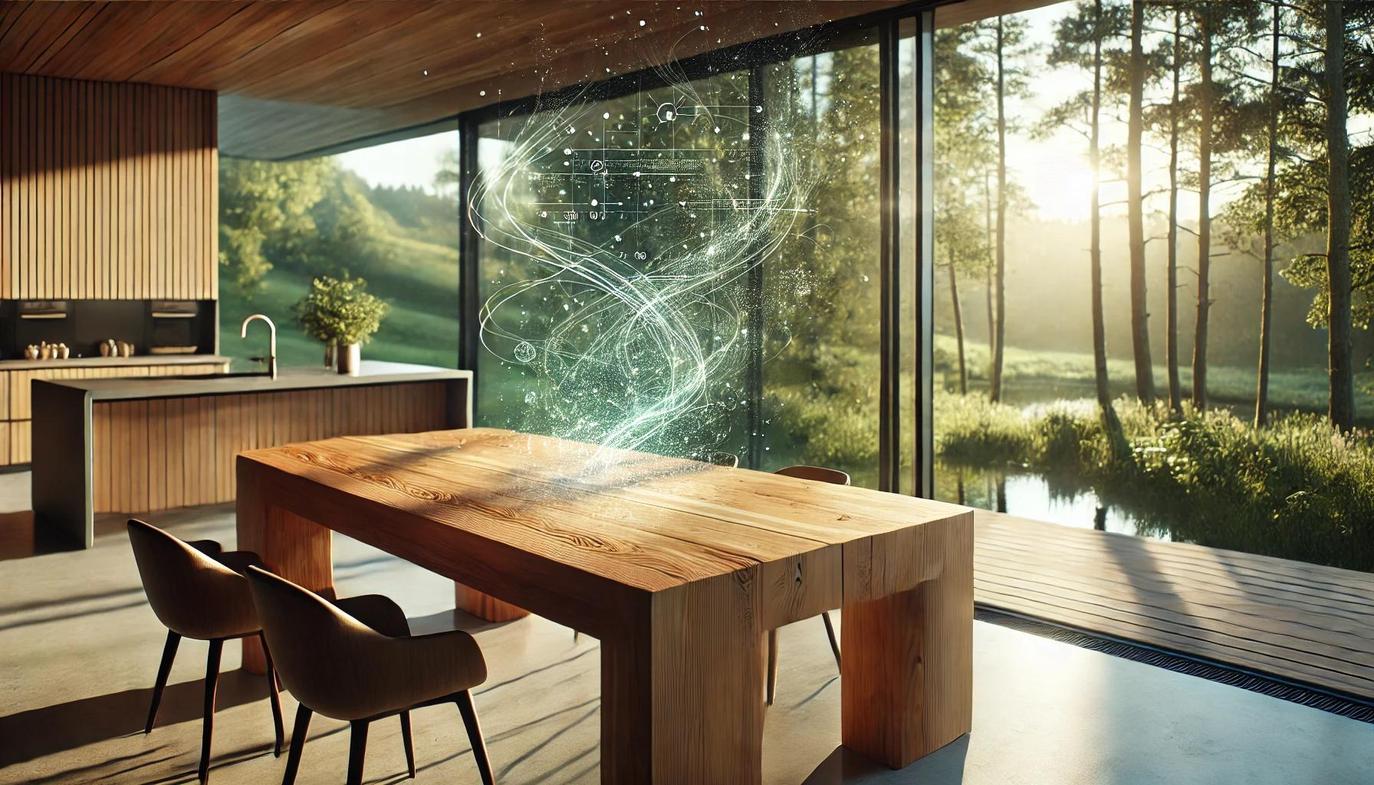
Here’s something most people don’t think about: wood stores carbon. A solid wood table isn’t just neutral. It’s actively keeping carbon out of the atmosphere. According to environmental research, when trees are harvested sustainably and turned into long-lasting products, they lock in carbon for decades. In a climate-conscious future, that matters more than ever.
Why Our Brains Crave The Texture Of Wood
Smooth surfaces dominate most modern interiors, but neuroscience shows that our brains crave tactile variation. Wood delivers. The grain, temperature, and slight give of a wooden surface stimulate the senses and foster emotional connection. That’s not just aesthetic preference. That’s hardwired psychology.
Balancing AI-Driven Design With Organic Materials
We’re entering an era where consumers expect personalization. AI can help design the perfect bookshelf based on your space, needs, and visual preferences. But the material still matters. Combining AI-driven design with natural wood allows for a balance of hyper-custom utility and organic imperfection. The result is deeply human design, informed by data, but shaped by the natural world.
The Material of the Future Might Just Be the Oldest One We Have
Designers and homeowners are searching for materials that meet the needs of the planet, the body, and the built environment. In that search, wood keeps showing up at the top of the list. It’s sustainable, versatile, and supports our health. Beyond that, it carries an emotional intelligence that synthetic materials can’t replicate.
The future doesn’t have to be cold or clinical. It can be warm, tactile, and deeply human. And wood, in all its forms, might be the best material we have to get there.

The Future of Design is Grounded in Nature
The search for the ideal building material often leads to labs and factories, but the most promising innovations are coming from our forests. Responsibly sourced wood is proving to be more than just a traditional choice; it’s a high-performance, healthy, and emotionally resonant solution for modern living. Integrating advanced wood products into our homes isn’t a look backward; it’s a step toward designing a more sustainable and human-centered future.
A Return to Human-Centered Design
As technology continues to shape our world, materials like wood provide essential balance, grounding our smart homes with natural warmth and texture. It cleans our air, enhances our well-being, and stores carbon, making it a uniquely intelligent choice. The future of design doesn’t have to be synthetic or cold; it can be built with the oldest, most adaptable material we have.
Frequently Asked Questions About Wood in Modern Design
Is Engineered Wood as Sustainable as Solid Wood?
Yes, and sometimes even more so. Engineered products like cross-laminated timber (CLT) and glulam often use wood from smaller, faster-growing trees and can be manufactured with minimal waste. When sourced from FSC-certified forests, these materials offer incredible strength and sustainability, allowing designers to use wood in ways solid timber cannot.
Can Wood Really Compete With Steel and Concrete in Performance?
In many applications, absolutely. Modern engineered wood is exceptionally strong and lightweight. Thermally modified wood offers superior insulation and moisture resistance, while CLT can rival the structural integrity of steel in mid-rise buildings. The key is choosing the right type of wood product for the specific performance need.
Is Wood Only for Rustic or Traditional Designs?
Not at all. Today’s wood design is clean, minimalist, and highly versatile. With the help of digital tools like CNC machines, designers are creating sculptural furniture, geometric wall panels, and sleek built-ins that fit perfectly within futuristic and contemporary aesthetics. Modern woodcraft is about form and function, not just a single style.
What Does “Responsibly Sourced” Really Mean?
Responsibly sourced wood typically comes from forests that are managed to prevent deforestation, protect biodiversity, and support local communities. Certifications like the Forest Stewardship Council (FSC) provide a clear chain of custody, ensuring the wood was harvested in an environmentally and socially responsible manner from forest to final product.


