
Imagine a world where your car is crafted not through traditional assembly lines but through a cutting-edge technology known as 3D printing. This isn’t science fiction—it’s happening right now, and it’s revolutionizing the automotive industry. From record-breaking hypercars to everyday electric SUVs, 3D printing is reshaping how vehicles are designed, produced, and even raced.
This article dives deep into the implications of 3D printing in the automotive sector, focusing on the groundbreaking Czinger 21C hybrid hypercar. We’ll also explore other awe-inspiring examples of 3D printed vehicles and consider the future potentials of these technological advancements. But first, let’s take a close look at how a 3D printed car is setting new records and making waves in the supercar world.
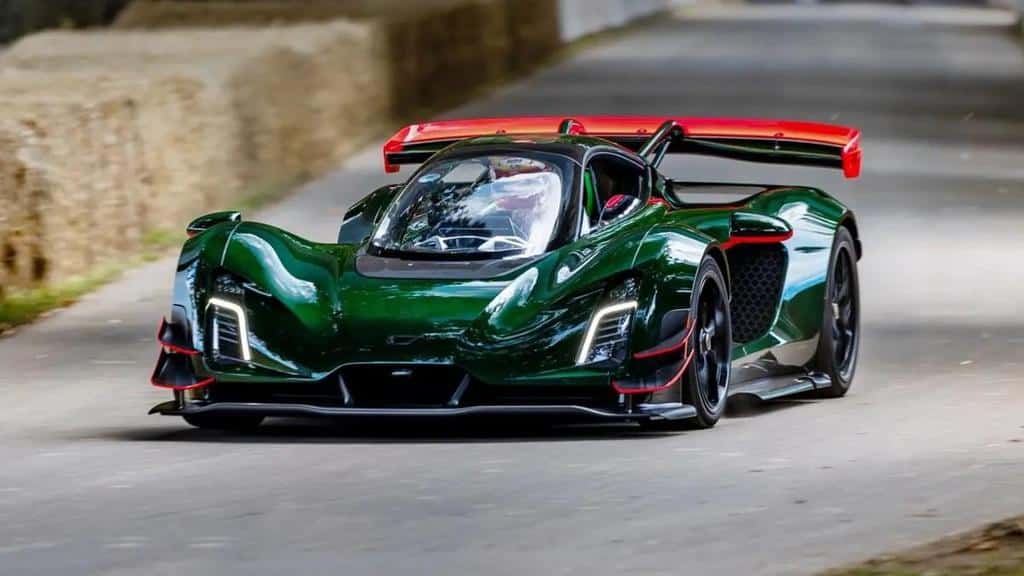
The Rise of the Czinger 21C Hybrid Hypercar
Czinger Vehicles is not your typical car manufacturer. Founded by Kevin Czinger, this innovative company aims to redefine the performance car industry through advanced technologies. Czinger focuses on creating ultra-fast, high-performance vehicles leveraging the revolutionary capabilities of 3D printing.
Earlier this year, Czinger made headlines when their 21C hypercar smashed records at the prestigious Goodwood Festival of Speed. The Czinger 21C carved out a new record for road-legal production cars with a blistering 48.82-second run up the iconic Goodwood Hillclimb. This accomplishment highlights how far 3D printing technology has come in delivering real-world, high-performance results.
Breaking Records
Setting a new benchmark at Goodwood was just the beginning. Czinger’s 21C went on to outperform one of the automotive giants, Koenigsegg, by breaking the lap time record at California’s Laguna Seca race track. The 21C clinched the record with a lap time of 1:24.75, outpacing Koenigsegg’s 1:24.86. While the difference might sound minimal, every fraction of a second counts in the racing world. These achievements underscore the potential of 3D printing in automotive engineering, marking a significant departure from traditional manufacturing methods.

Engineering Marvel
What sets the Czinger 21C apart is not just its record-breaking capabilities but also its innovative engineering. The 21C is a hybrid hypercar, which means it combines traditional fuel engines with electric motors. This particular model boasts three electric motors and a powerful 2.88-liter V8 engine, inspired by high-performance cars from the late 80s. The V8 engine, aided by two turbochargers, produces 950 horsepower, while the total system output reaches a staggering 1,350 horsepower.
One of the critical aspects of the 21C is its extensive use of 3D printed components. Traditional manufacturing involves casting and machining parts from large blocks of material, which can be wasteful and time-consuming. In contrast, 3D printing constructs parts layer by layer from digital models. This method allows for much more complex designs and reduces waste, making it an efficient and sustainable option.
Another advantage of 3D printing is the speed of prototyping and production. It allows engineers to quickly iterate and refine designs, resulting in faster development cycles. This rapid prototyping capability enabled Czinger to take more risks and push the boundaries of what’s possible in car design.
The Future of Czinger Vehicles
Looking ahead, Czinger aims to conquer more race tracks and solidify its reputation as a leader in high-performance vehicles. Kevin Czinger has ambitious plans to target European circuits next, further proving the capabilities of their 3D printed marvel. This relentless pursuit of excellence and innovation ensures that Czinger Vehicles is a brand to watch in the ever-evolving automotive industry.
The success of the Czinger 21C calls attention to the transformative potential of 3D printing in automotive engineering. As this technology evolves, it promises to usher in a new era of faster, more efficient, and incredibly intricate vehicle designs.

Other Notable 3D Printed Vehicles
These examples illustrate the diverse applications and innovative strides being made in the field of 3D printed vehicles, each pioneering new ways to think about sustainability, design, and functionality in transportation.
Strati: The First 3D Printed Car
Another groundbreaking vehicle in the world of 3D printing is the Strati, created by Local Motors. The Strati holds the distinction of being the world’s first 3D printed car. Developed as a part of a collaborative project with the Oak Ridge National Laboratory, this electric vehicle was printed in just 44 hours and assembled over a span of two days.
The Strati’s creation marked a significant milestone in automotive manufacturing, showcasing the potential of 3D printing to drastically shorten production times and allow for unprecedented customization. The car’s body and chassis were printed using a large-scale additive manufacturing system, demonstrating the feasibility of producing full-sized, functional vehicles through 3D printing.

Formula Student Austria Champion
The Czinger 21C isn’t the only impressive example of 3D printed automotive innovation. The realm of 3D printing in vehicles extends to competitive racing as well. Take, for instance, MoRe Modena Racing’s M24-LH hybrid race car, which clinched victory at the 2024 Formula Student Austria competition.
Developed through a two-year partnership between CRP Technology and the University of Modena and Reggio Emilia, this race car showcases how advanced materials and 3D printing can enhance vehicle performance. Key aerodynamic and structural components of the M24-LH were 3D printed using CRP’s proprietary Windform materials, which are known for their high strength and lightweight properties. These materials enable the car to achieve superior aerodynamic efficiency and structural integrity, contributing significantly to its competitive edge.
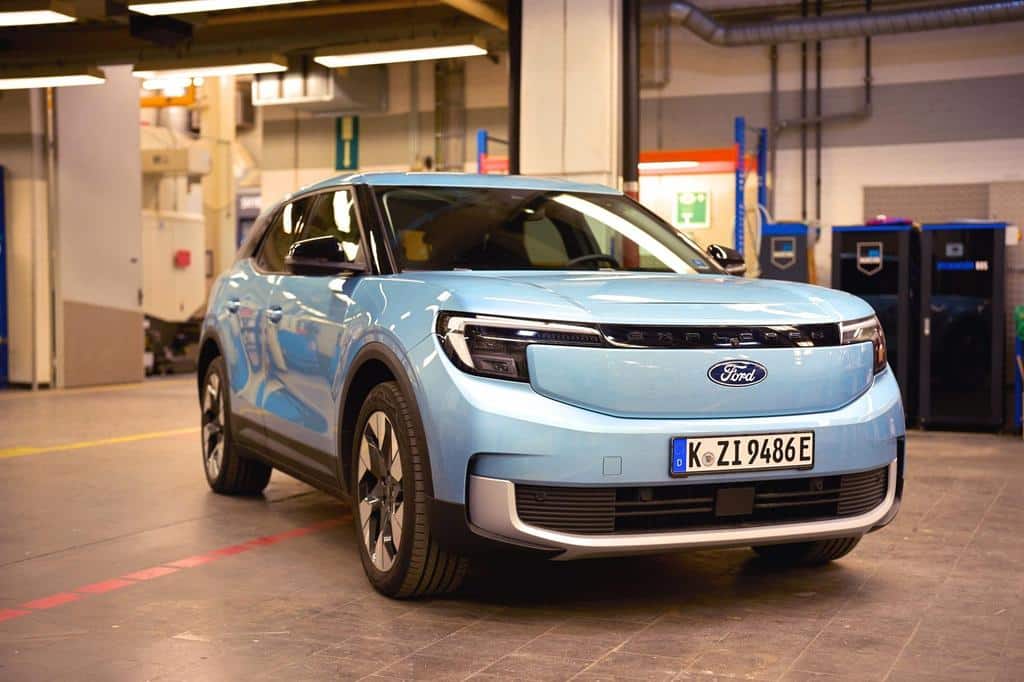
Ford’s Electric Explorer SUV
Major automotive manufacturers have also embraced 3D printing to enhance their production processes. Ford Motor Company, for instance, has utilized Formlabs’ 3D printers to develop several components for its new Electric Explorer SUV.
Using 3D printing technology, Ford has been able to quickly prototype complex parts such as mirrors, handles, charging ports, and dashboard components. This approach allows designers to iterate rapidly and make improvements swiftly, reducing development time from weeks to mere hours. Additionally, 3D printing enables Ford to explore more intricate designs that would be challenging to produce using traditional methods. By integrating 3D printing into their production workflows, automotive giants like Ford can maintain a competitive edge in the fast-evolving electric vehicle market.
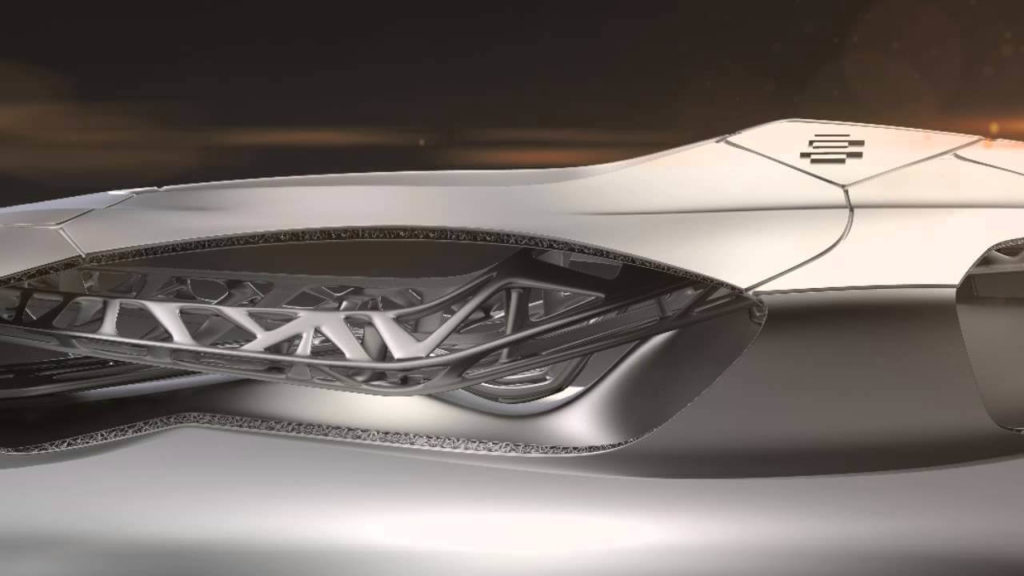
Genesis: The 3D Printed Car of The Future
The Genesis car is an advanced representation of futuristic vehicle design. This prototype blends biomimicry techniques to solve complex engineering problems inspired by nature’s efficiencies. The unique structural design and material usage exemplify a forward-thinking approach to automotive manufacturing, wherein form and function are harmoniously integrated through 3D printing technology.

Father and Son 3D-Printed Lamborghini Aventador
In an incredible feat of engineering and collaboration, a father and son duo embarked on a project to 3D print a life-sized Lamborghini Aventador. Utilizing a variety of materials and highly detailed printing techniques, they produced a fully functional vehicle. This project not only showcases the capabilities of 3D printing in personal vehicle manufacturing but also highlights the potential of collaborative and educational DIY projects.

Olli: The Recycled 3D-Printed AI Electric Shuttle Bus
Olli stands out as an innovation in both transportation and recycling. This autonomous shuttle bus utilizes 3D printing technology with materials sourced from recycled plastics, emphasizing sustainable practices. Equipped with AI capabilities, Olli can communicate through sign language holograms and provide vibrational feedback for the visually impaired, setting a new standard for accessibility and environmentally-conscious design.
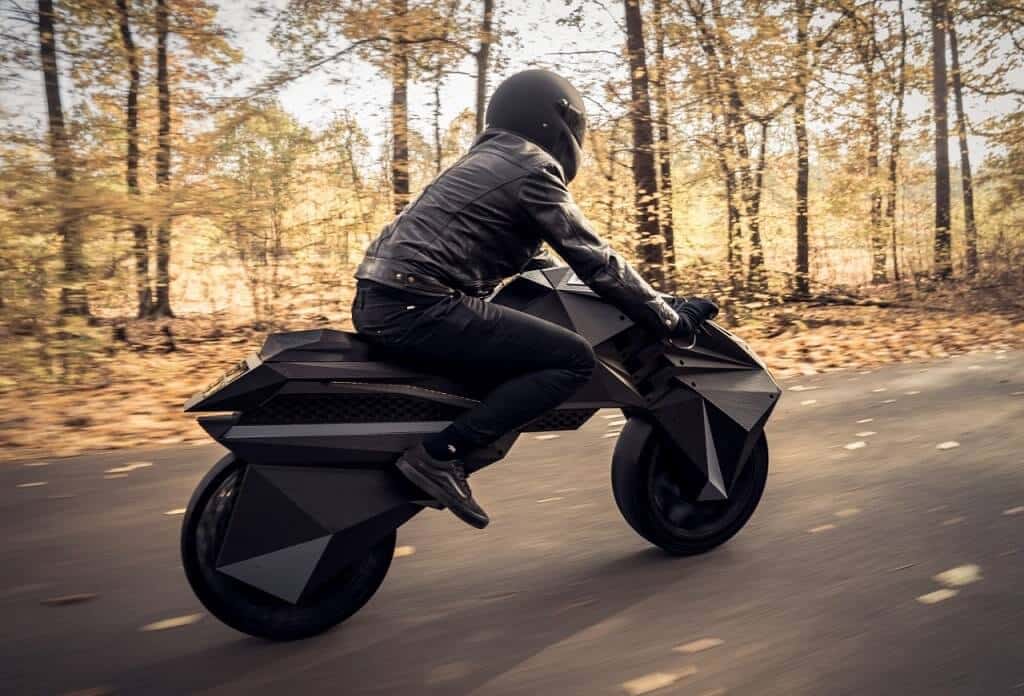
Nera: The 3D Printed Electric Motorcycle
The Nera motorcycle breaks conventional manufacturing bounds with its nearly 100% 3D printed body. This electric motorcycle includes innovative features like airless tires, which highlight the flexible and functional possibilities of 3D printing technology. Nera serves as an example of how traditional vehicle concepts can be reimagined to incorporate seamless, cohesive designs through additive manufacturing.
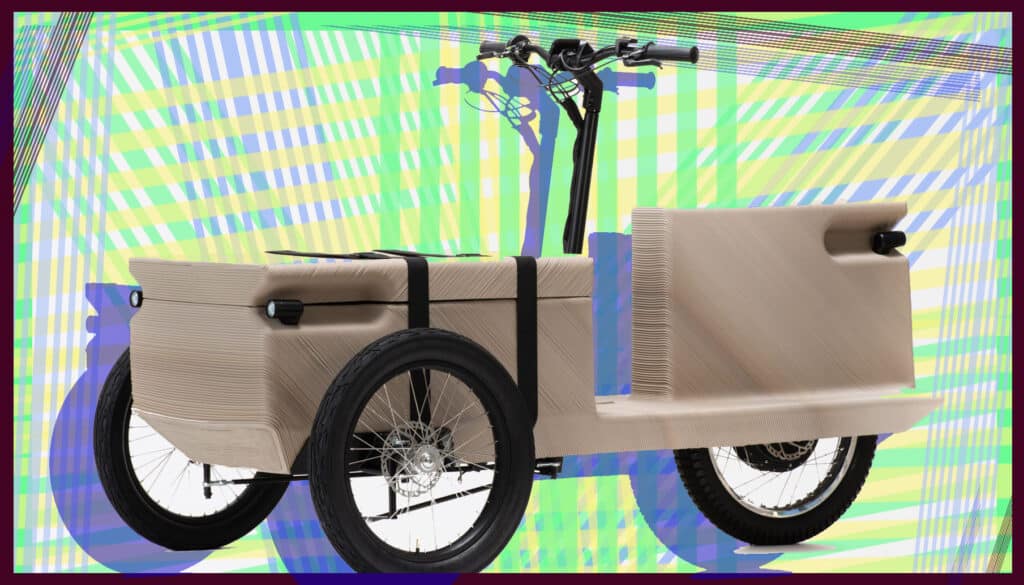
Electric Tricycle 3D-Printed from Plastic Waste
EOOS’s electric tricycle demonstrates how 3D printing can contribute to circular economy principles. Created using 70 kg of plastic waste sourced from local supermarkets, this vehicle not only offers an eco-friendly transportation option but also tackles plastic pollution. The practical application of recycled materials in 3D printing presents a sustainable path forward for urban mobility solutions.

Potential Future Use Cases for 3D Printing in Automotive Industry
Integrating the remarkable advancements seen in these 3D printed vehicles sets the stage for envisioning broader applications. As we marvel at these impressive feats of engineering and sustainability, it’s clear that the potential for 3D printing technology extends far beyond automotive innovations.
This progression leads us to consider the myriad avenues where 3D printing could revolutionize entire industries, offering transformative possibilities and new paradigms in manufacturing and design.
The synergy between these current accomplishments and their prospective developments invites us to explore potential future use cases where 3D printing could become a cornerstone of technological advancement and environmental stewardship.
Cost Reduction and Customization
One of the most promising aspects of 3D printing in the automotive industry is its potential to reduce costs and offer customizations. Traditional manufacturing methods often involve considerable waste and high costs due to the need for bespoke molds and extensive labor. In contrast, 3D printing uses only the material needed to build up objects layer by layer, significantly minimizing waste.
Moreover, 3D printing allows manufacturers to produce custom parts tailored to individual customer preferences without the need for expensive retooling. This opens up the possibility for car buyers to have unique, personalized vehicles at a fraction of the cost and time previously required. Whether it’s custom interior designs or performance-enhancing components, 3D printing makes it feasible to cater to specific consumer needs efficiently.
Sustainability
Beyond cost savings, 3D printing offers significant environmental benefits. One of the critical challenges in industrial production is the environmental impact, from energy consumption to material waste. 3D printing can address these issues by utilizing recycled materials and reducing waste during the manufacturing process.
For instance, some initiatives are focused on using recycled plastics and other eco-friendly materials for 3D printing automotive parts. This not only reduces the demand for virgin materials but also helps manage plastic waste effectively. Furthermore, 3D printing enables local production, reducing the carbon footprint associated with shipping and logistics.
Advanced Technologies Integration
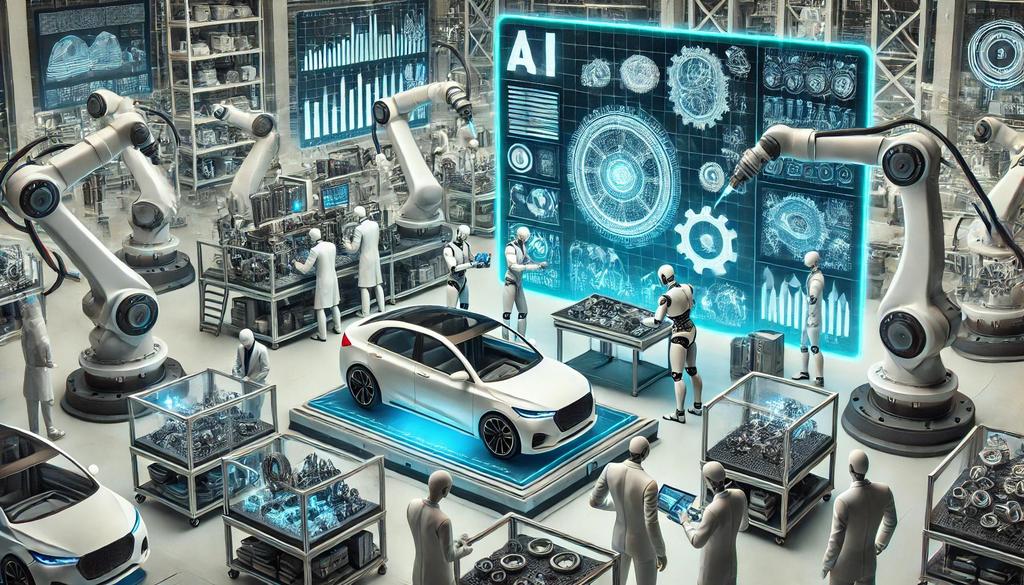
As 3D printing technology continues to evolve, its integration with other advanced technologies will open new possibilities. For example, combining 3D printing with artificial intelligence (AI) and machine learning can lead to smarter, more efficient manufacturing processes. AI can help optimize design and production parameters, ensuring parts are produced with maximum efficiency and minimal defects.
In the future, we could see 3D printers using new, highly advanced materials that offer superior performance in terms of strength, durability, and heat resistance. This could be particularly beneficial for producing high-performance components for electric vehicles and racing cars, where material properties are crucial.
Furthermore, 3D printing can revolutionize the production of complex electronic components and integrated systems, which are becoming increasingly important in modern vehicles. From sensors and circuit boards to entire electronic modules, the ability to print complex electronics could streamline production and enhance the capabilities of future cars.
In-Space Manufacturing
Expanding beyond terrestrial applications, 3D printing holds potential for manufacturing in outer space. NASA and other space agencies are exploring the use of 3D printing for creating tools, spare parts, and even habitats on other planets using local materials like regolith. This technology could play a pivotal role in future space missions, reducing the need to transport large amounts of supplies from Earth and enabling sustainable living on the Moon, Mars, and beyond.
Challenges and Considerations
As we continue to explore the capabilities and potential of 3D printing in the automotive industry, it’s clear that this technology is set to transform not only how vehicles are made but also how they perform and interact with our world. From reducing environmental impacts to enabling unprecedented levels of customization, 3D printing is paving the way for a new era in automotive innovation.
Material Limitations
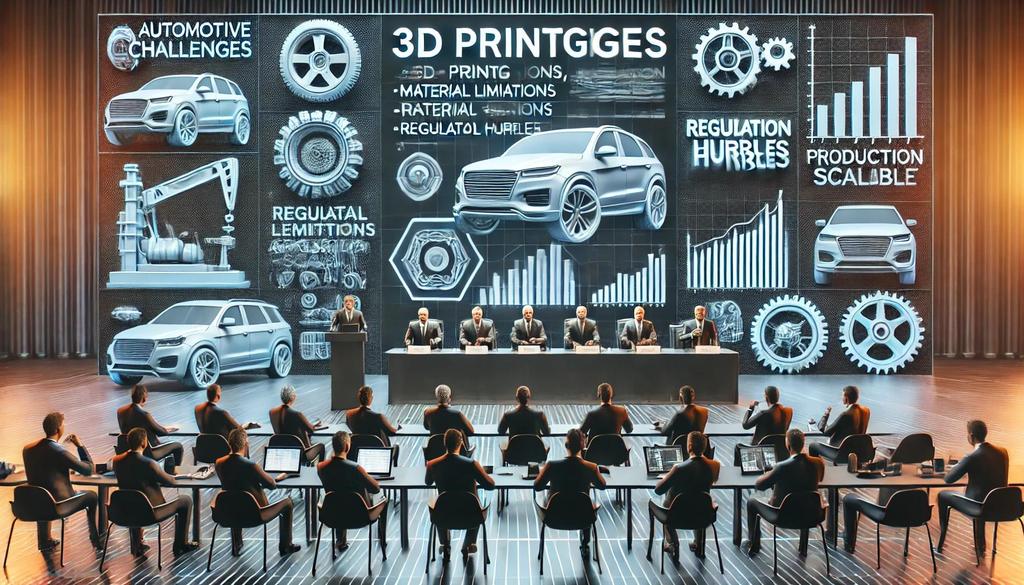
While 3D printing in the automotive industry presents exciting possibilities, there are several challenges that must be addressed. One of the primary issues is material limitations. Currently, 3D printing materials may not always match the strength and durability of traditionally manufactured components. While advanced materials like carbon fiber composites and specialized polymers are used to improve the performance of 3D printed parts, they can still fall short in some applications.
Additionally, metals used in 3D printing, such as titanium and aluminum alloys, require precise control and can be costly. Research and development are ongoing to expand the range of materials that can be effectively 3D printed, including advanced composites and high-performance resins, but the technology has not yet fully matured.
Regulatory Hurdles
Another significant challenge is navigating the complex landscape of regulatory standards. For a 3D printed vehicle or its components to be legally driven on public roads, they must meet stringent safety and performance standards defined by automotive regulatory bodies. This process typically involves extensive testing, validation, and certification, which can be time-consuming and costly.
Ensuring that 3D printed parts meet these standards requires rigorous quality control and assurance processes. Manufacturers need to be able to consistently produce parts that not only meet specifications but also perform reliably under various conditions. Passing these regulatory checks is essential to gaining consumer trust and acceptance.

Consumer Acceptance
Speaking of consumer acceptance, this is another hurdle that the industry needs to overcome. The idea of a car made through 3D printing might initially raise concerns about reliability and durability among potential buyers. People are accustomed to cars being produced through traditional manufacturing methods, which have been refined over the past century.
To gain widespread acceptance, manufacturers must educate consumers about the benefits of 3D printed vehicles, such as faster production times, customization options, and sustainable manufacturing practices. Demonstrating the reliability and safety of 3D printed cars through real-world performance and endorsements will also help build consumer confidence.
Technical Constraints
Finally, technical constraints present hurdles that need to be addressed. For instance, the size of objects that can be 3D printed is limited by the build volumes of existing 3D printers. Printing larger components or entire vehicle bodies might require printers with significantly larger build volumes or the assembly of multiple printed parts.
Moreover, the surface finish and resolution of 3D printed parts can sometimes be inferior to those produced through traditional manufacturing methods. Post-processing steps, such as sanding and painting, may be required to achieve the desired aesthetics and finish, adding extra steps and costs to the production process.
How 3D Printing is Revolutionizing Automotive Manufacturing
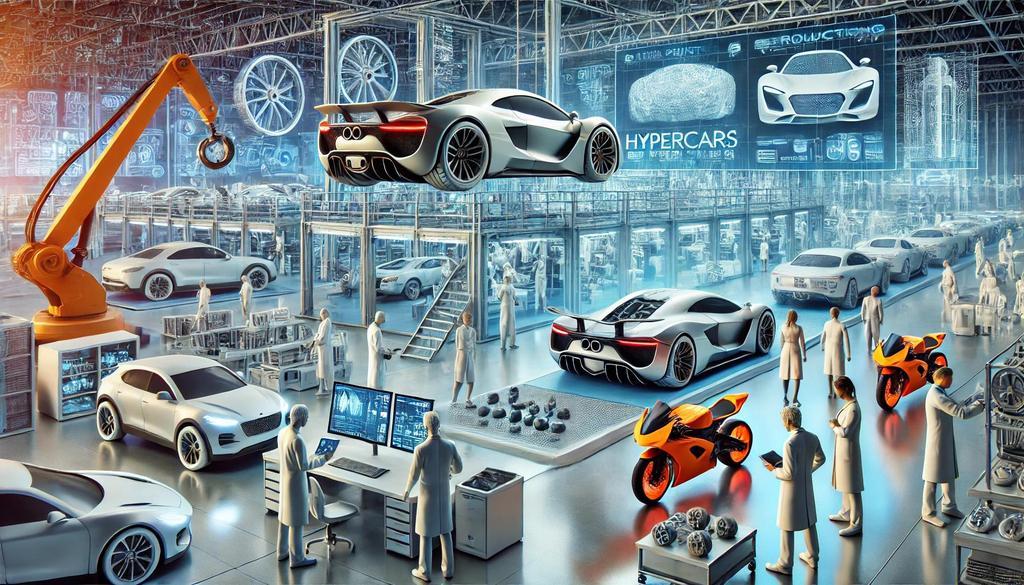
3D printing is transforming the automotive industry in ways that were unimaginable just a few years ago. From record-breaking hypercars like the Czinger 21C to the world’s first 3D printed car, Strati, and Ford’s innovative Electric Explorer SUV, examples of 3D printed vehicles highlight the immense potential of this technology.
This transformation is marked by several important benefits, including cost reduction, enhanced customization, and improved sustainability. The ability to quickly iterate designs and produce complex parts allows manufacturers to push the boundaries of automotive innovation.
Future Outlook
Looking ahead, the integration of 3D printing with advanced technologies like artificial intelligence and machine learning holds promise for even greater advancements. Future developments may see 3D printing as a key enabler in creating smarter, more efficient, and highly customized vehicles.
Moreover, as sustainability becomes a more urgent priority, the use of eco-friendly and recycled materials in 3D printing will likely expand, further reducing the environmental impact of automotive manufacturing. The prospects of in-space manufacturing using local materials like regolith present exciting possibilities for extraterrestrial exploration and colonization.
Call to Action
As we stay on the brink of this automotive revolution, it’s essential for industry stakeholders, regulators, and consumers to keep informed and engaged with these advancements. By understanding the benefits and addressing the challenges, we can collectively embrace a future where 3D printed vehicles are not just a novelty but a standard in automotive production.
The road ahead is full of potential, and with continued innovation and collaboration, 3D printing will undoubtedly play a pivotal role in shaping the vehicles of tomorrow. Stay tuned and watch as this technology drives us into a new era of automotive excellence.


