
For many of us, the daily grind of going to work can take its toll mentally and physically. Though we try our best to stay safe at work, some jobs inherently carry an increased risk of physical injury due to their dangerous nature. From extreme sports athletes to deep sea divers or even professional wrestlers, these eight careers are not only rewarding – they come with a practical understanding that there is potential for getting hurt while working.
1. Construction Worker
Construction workers are at risk of injury working with heavy machinery, scaffolding, and power tools. But there’s also the potential for falling off roofs and ladders, hitting your head while onsite, or suffering severe burns from welding equipment. Also, it’s essential to find a construction site accident lawyer who can help if you get injured on the job. While safety protocols should always be strictly followed, even the most cautious worker can find themselves in a dangerous situation.
2. Firefighter
Firefighting is a dangerous job, and physical injury is one of the risks. Firefighters must be brave and strong to face the high temperatures and flames that threaten their safety. They must also be agile enough to navigate tight spaces and heavy equipment while battling fires. Physical injuries are an occupational hazard for firefighters, who may suffer burns, smoke inhalation, trauma from falling objects or debris, broken bones, or other types of physical harm in the line of duty. According to studies by The National Fire Protection Association (NFPA), firefighting is responsible for more on-the-job deaths than any other occupation in the United States.
3. Law Enforcement Officer
Being a law enforcement officer can be dangerous. Officers are usually the first on the scene of an emergency, and they’re exposed to potential harm in a variety of situations. In addition to facing violent suspects or hostile crowds, officers can suffer physical injuries while making arrests or subduing suspects. They may also become injured if their patrol car is involved in an accident or if the equipment they use fails. Any kind of physical altercation with a suspect can cause serious injury, and it’s not uncommon for officers to suffer from back pain due to carrying heavy gear over long periods of time. These professionals need to stay in shape mentally and physically to handle any situation that comes their way with care and safety.
4. Professional Wrestler
Professional wrestling is often considered a form of entertainment and sport. However, the reality is that it’s an incredibly dangerous job. Wrestlers put their bodies on the line to entertain people and perform outrageous stunts. As a result, physical injuries are common among wrestlers, ranging from minor sprains and bruises to more serious head trauma and spinal cord injuries. Professional wrestlers also face long-term health risks due to overexertion, such as chronic pain or joint damage. While there may be financial incentives that come with being a professional wrestler, the potential for physical harm shouldn’t be overlooked.
5. Deep Sea Diver
Deep sea divers take on some of the most dangerous and life-threatening jobs out there. Every dive carries a risk of physical injury due to the immense pressure changes they must endure while underwater. The risk of decompression illness is also high, as divers often ascend from depths quickly and may not adjust properly to the change in pressure. Physical fatigue can also be an issue, as deep sea dives require immense amounts of energy for hours of continuous activity. All these factors contribute to a high rate of physical injury among deep-sea divers.
6. Roofers
Roofers are exposed to a wide range of potential dangers, from falling off sloped or slippery surfaces to being hit by objects such as roofing pieces and tools. In addition, the sun’s harmful ultraviolet rays can cause skin cancer and other long-term damage. Working on rooftops requires physical strength and agility, so roofers need to take extra care when performing their duties. To reduce the risk of injury, employers should provide safety equipment such as mobile work platforms, hard hats, and non-slip shoes that help ensure workers stay safe while on the job.
7. Logger
Logging is a demanding job that requires long hours, heavy lifting, and power tools. Loggers often must work in extreme weather conditions and dangerous terrain. As a result, injuries such as musculoskeletal disorders (MSDs), cuts, slips and falls, sprains, and strains are common on the job. Employers of loggers should take safety precautions to reduce the risk of injury, including providing appropriate protective equipment for workers. Additionally, logging companies should provide regular safety training and education to their staff. It’s also important for loggers to take the time to stretch and warm up before beginning work and to practice safe lifting techniques when moving heavy logs.
8. Ski or Snowboard Instructor
Snow-sport instructors of all levels, from beginner to expert, are at risk of serious physical injury while teaching skiing or snowboarding. Although safety is always a top priority, teaching these winter sports can be dangerous. Instructors regularly hit their heads on the ground and suffer broken wrists, ankles, and other injuries. Apart from falls, instructors may also experience body pain due to long hours of standing in cold weather and fatigue from days spent outdoors. Snow-sport instructors need strong core muscles and endurance to teach without injuring themselves – or anyone else! Proper safety training is essential for this role. Experienced ski/snowboard instructors have acquired the necessary skills to reduce the chance of physical harm.
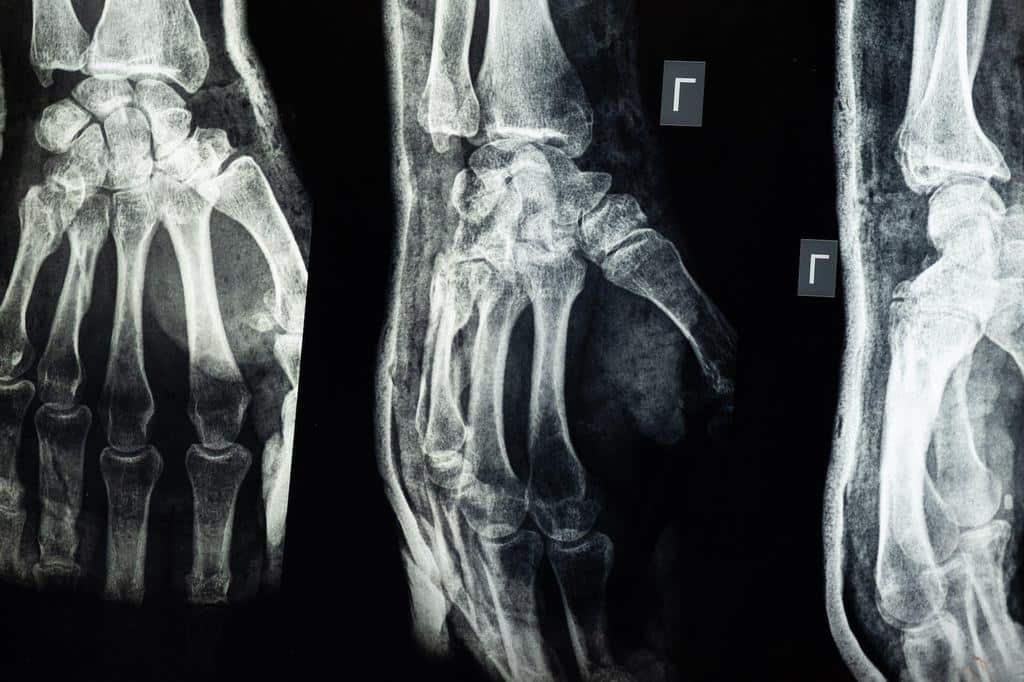
A physical injury is an ever-present risk in many lines of work. Whether it’s putting yourself at risk of head trauma as a professional wrestler or suffering from chronic pain due to overexertion as a deep sea diver, the potential for physical harm is high in certain jobs. Employers should provide safety training and equipment to their workers, and employees should understand the risks of each job. By being prepared and taking preventative measures, we can help reduce the risk of physical injury in hazardous professions.


