
The national finalist for Mexico’s James Dyson Award 2019 goes to Rafael Riego for his invention of AMOB – a dual-purpose orthopedic device made of high strength and low-cost cardboard. His design is, first and foremost, intended to be accessible to a larger percentage of the population, while also being lightweight, recyclable and easy to transport. The material is so strong it is capable of supporting users up to 300 pounds!

The AMOB cardboard crutches are an eco-friendly solution that Riego has had ready for several years now but nobody knew about it until it was recognized by the world-famous design contest, the James Dyson Award. The contest encourages, drives, and inspires designers with new ideas to solve problems of global interest – which is exactly what Riego was doing. His project makes crutches and canes accessible to the entire population, not just people that can afford it. A pair costs only 40 pesos, which is about $2!
“The cardboard crutches were created to give solutions to problems that the country is currently experiencing,” said Riego. Although, the root of the inspiration sprung from personal experiences.
Riego explained:
I downhill skateboard and have practiced martial arts my whole life, sports where ankle and knee injuries are prevalent (I’ve had 5 sprains total). Having to use crutches many times I started paying attention to people with the same type of injuries. Not everyone has access to medical grade orthopedics and have to resort to home-made unsafe methods, I’ve designed a low-cost method that is easy to manufacture to get everyone back on their feet safely.
How It Works
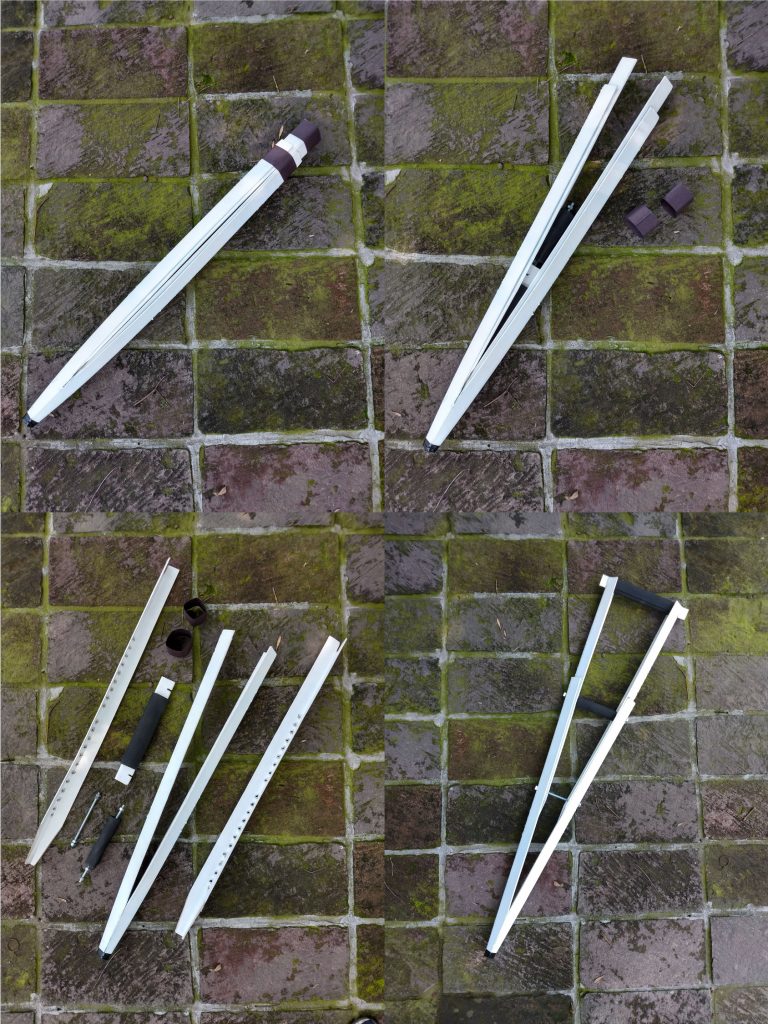
- The design is composed of a V-shaped shell and two main shafts so the height can be adjusted.
- The special thing about this design is how it can serve as a cane or walking stick as well when the device is in the closed, packaged position.
- The cardboard can be treated to a range of specific needs in order to accommodate any climate or terrain – such as waterproofing, ergonomics, specs, and more. The manufacturing process for this type of cardboard already exists so any necessary adaptation is possible.
For now, Riego plans to keep developing the project and get this first product into developing markets so more people can access orthopedic devices. Then, he will keep evolving the design of the crutches while also developing other devices to help people with affordable products.


