
One of the most significant decisions you’ll make in your lifetime is where to call home. This choice becomes even more critical when you ponder whether to build a custom home or buy an existing one. The ramifications of this decision can impact your financial planning and overall lifestyle for years to come.
This article seeks to clarify the build-versus-buy decision process. It provides the insights necessary for you to make a well-informed choice. You’ll find everything you need here, from understanding the cost implications to gauging the impact on your personal satisfaction and family dynamics. Let’s dig in and discover which option aligns best with your dreams and needs.
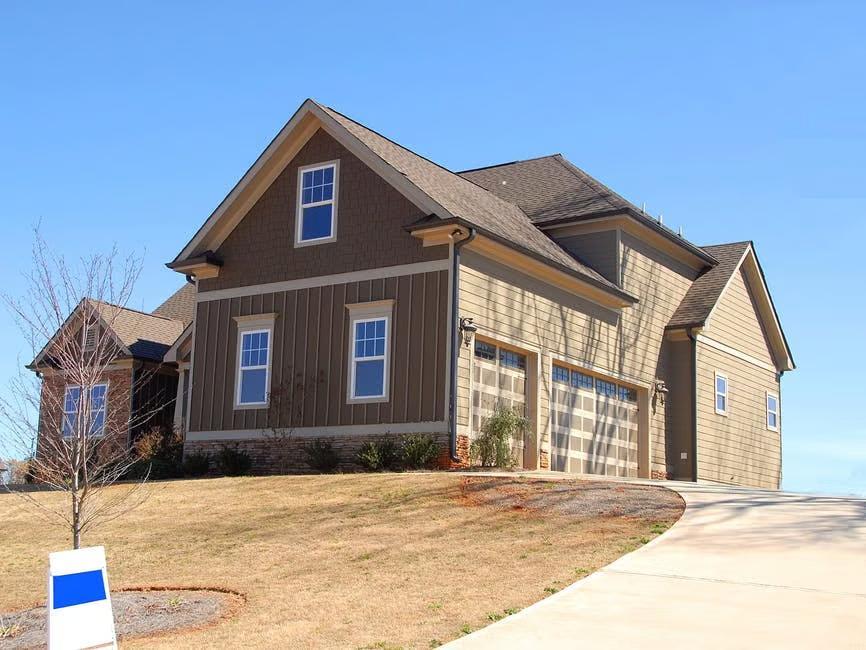
The Custom Home Build
Advantages of Building a Custom Home
Constructing a custom home allows you to realize your vision. This process allows you to design a space that reflects your style and preferences. Imagine a house tailored to your exact preferences, from the layout and decor to the small but significant details like lighting fixtures and flooring. The biggest advantage here is personalization. You get to decide how each room looks and feels, creating a space that genuinely reflects your style. To explore more about custom home building options and how they can be tailored to your needs, visit experts such as those at the Hafsa Building Group.
Additionally, custom homes can be designed to incorporate the latest technologies and materials. You can choose energy-efficient appliances, eco-friendly building materials, and advanced home automation systems to tailor the house to your modern needs. This forward-thinking design approach can result in long-term savings on utility bills and maintenance costs. And, with the Timber Haus custom home builder professionals and other similar ones, you can easily select a builder with expertise in sustainable building practices. Plus, you have the added satisfaction of knowing that your home is contributing to a greener planet.
Lastly, when you build, everything is brand-new. This means fewer repairs and renovations in the initial years, as everything from the roof to the foundation is under warranty. The peace of mind that comes with knowing your home is built to the latest safety and construction standards is invaluable.
Considerations for the Custom Home Build Process
However, building a custom home isn’t without its challenges. One of the most significant considerations is cost. Custom homes are generally more expensive because they are built to your specifications. Costs can escalate quickly if you opt for high-end materials or intricate designs.
Time is another crucial factor. Building a home can take several months to over a year, depending on various factors like weather conditions, labour availability, and the complexity of the design. This extended timeline may require temporary living arrangements and added stress.
Lastly, the level of involvement required can be daunting. From selecting the plot of land to finalizing design elements and overseeing construction, building a custom home demands a lot of time and effort—which is why options like house and land packages in Cairns have become so popular for making the process easier. This hands-on approach isn’t for everyone, especially those with demanding jobs or young families.

The Purchase Option
Advantages of Buying an Existing Home
Buying an existing home offers immediate gratification. Once your offer is accepted and the paperwork is completed, you can move in within a matter of weeks. This speed and convenience are significant advantages, especially for those looking to relocate quickly.
Existing homes are typically found in well-established neighbourhoods. These areas often feature mature landscaping and offer various amenities, including parks, schools, and shopping centers. This sense of community can be a big draw for families. Additionally, buying a home in a well-established area can offer better future resale value.
Financially, buying an existing home can be less daunting. The costs associated with building a home are more predictable. This means you can avoid the stress of unexpected expenses that may arise during the construction process. Plus, with existing homes, you have the opportunity to negotiate the price, which can be advantageous in a buyer’s market.
Points to Consider When Buying
On the flip side, buying an existing home comes with its own set of challenges. One of the main drawbacks is the lack of personalization. You’ll likely need to make compromises on certain aspects of the home, such as layout, room sizes, and finishes, unless you plan to undertake a renovation.
Another consideration is the condition of the property. Older homes may come with hidden issues like outdated wiring, plumbing problems, or structural concerns. These issues can lead to unplanned expenses and time-consuming repairs.
Market availability can also be a limiting factor. Depending on the current real estate market, finding a home that meets all your criteria can be challenging. You might have to act quickly and make decisions with limited information in a competitive market.

Personal Satisfaction and Lifestyle Factors
Impact on Personal Satisfaction
The decision to build or buy a home greatly impacts personal satisfaction. Constructing a custom home lets you design a space that aligns perfectly with your lifestyle and preferences. This personalization often leads to a high level of satisfaction.
Conversely, purchasing an existing home offers immediate comfort and convenience. You can move in quickly and start enjoying your new environment without the added pressure of managing a construction project.
Consideration of Future Needs
Future needs should also influence your decision. A custom home can be designed to accommodate future family growth or aging in place. Features like extra bedrooms, wider doorways, or a single-story layout can be included to accommodate these changes.
Existing homes may require modifications to meet evolving needs, which can be costly and time-consuming. When making your decision, it’s essential to consider how well a home can adapt to future lifestyle changes.
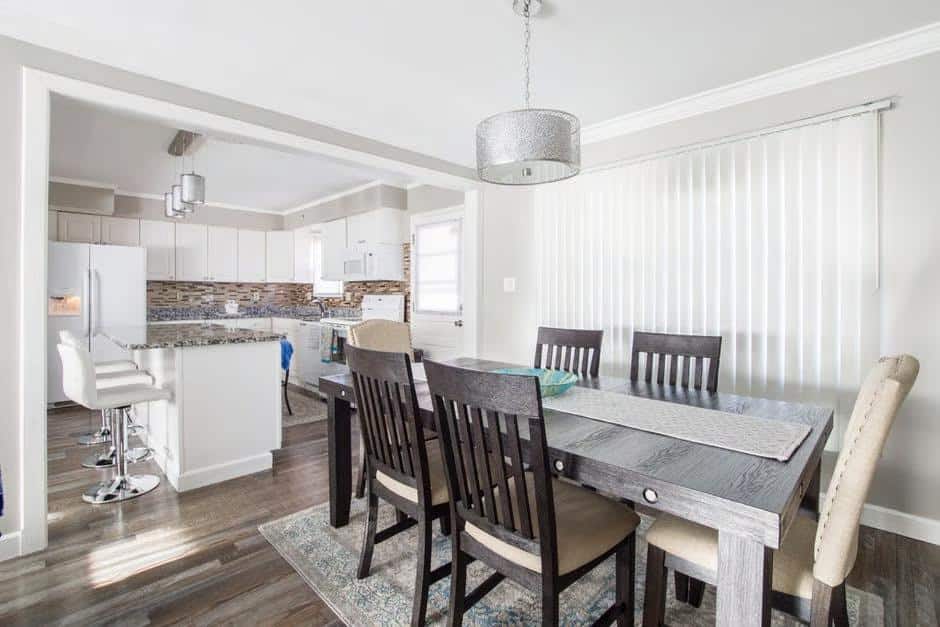
Decision-making Factors
Key Factors to Consider
When deciding whether to build or buy a home, consider the following factors:
- Personalization vs. Convenience
- Upfront costs vs. Long-term savings
- Time and effort involved
- Future needs and adaptability
If building is the better fit, the next step is to compare types of home builders before requesting estimates. Different builders can offer different levels of design choice, pricing structure, and homeowner involvement, so understanding how each model works can make it easier to choose an approach that matches your priorities.
Personal Assessment and Decision-making Guide
To make a well-informed decision:
- Start by evaluating your priorities and financial situation.
- Consider the amount of time and effort you are willing to invest in this process.
- Reflect on how important personalization is for you, and assess your long-term goals to see how each option aligns with them.
There is no universal answer to the build-versus-buy discussion. Each choice has its own advantages and challenges, and the ideal option will depend on your specific circumstances and personal preferences.
Take the time to carefully weigh the factors outlined in this article. It may also be beneficial to seek advice from professionals. Whether you build your dream home from the ground up or purchase the perfect existing property, the most crucial aspect is creating a space where you and your family can thrive.


