
Developing countries are facing a massive, crippling impact on their vulnerable economies due to the COVID-19 outbreak. In response to this, the United Nations has called for a $2.5 trillion emergency package to help these nations cope with the “looming financial tsunami.” The UN urged rich western countries to provide support for emerging economies, as they were providing for themselves.
The Geneva-based, UNCTAD (the UN conference on trade and development), called for reserves by the International Monetary Fund (IMF), a new Marshall plan to strengthen health systems, and extensive debt relief. The organization said that the $2.5 trillion cost of the package would be the equivalent of developed countries spending 0.7% of their nation-wide revenue on aid.
UNCTAD expressed concerns about the speed at which the shock waves from the COVID-19 pandemic has been affecting developing economies. In 2008, there was a significant global financial crisis, but the COVID-19 pandemic is looking much worse.
Since the full impact of COVID-19 became noticeable in March, the IMF has been flooded with requests for help from over 80 countries. The World Bank and the IMF are concerned about the possibility of these developing countries falling into a new debt crisis.
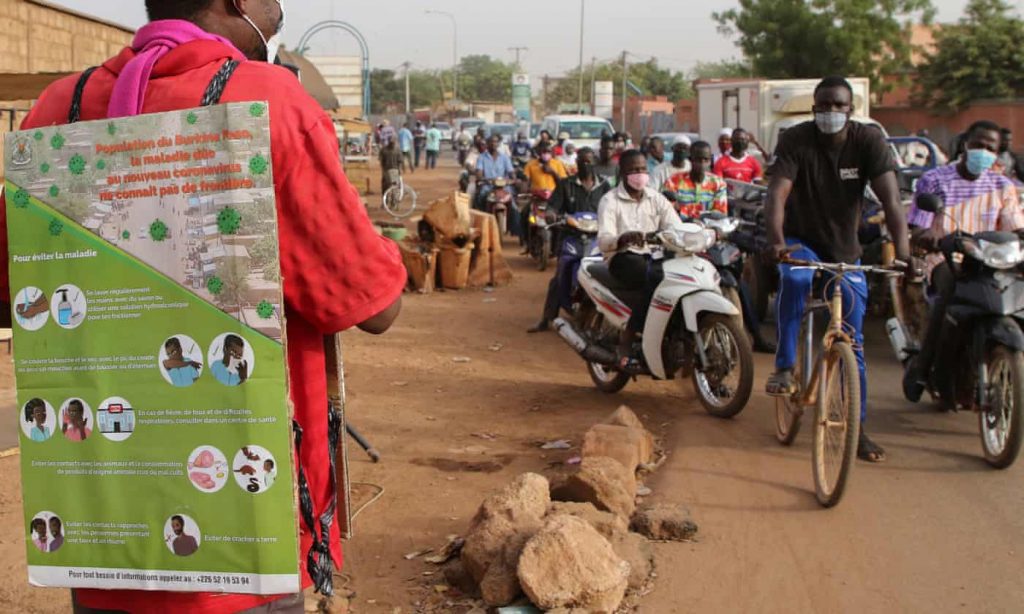
According to UNCTAD, in the past two months, developing countries have already taken an “enormous hit” including:
- Higher interest rates on their debt
- The value of their currencies dropped
- Lost export earnings
Mukhisa Kituyi, the secretary-general of UNCTAD, said:
The economic fallout from the shock is ongoing and increasingly difficult to predict, but there are clear indications that things will get much worse for developing economies before they get better.
The UN body points out that the darkening global attitude, budgetary, and foreign exchange constraints were most likely going to tighten even more over the next year. These limitations would leave developing nations with a financial gap of $2-3 trillion.
Richard Kozul-Wright, the director of globalization & development strategies at UNCTAD, said:
Advanced economies have promised to do ‘whatever it takes’ to stop their firms and households from taking a heavy loss of income. But if G20 leaders are to stick to their commitment of ‘a global response in the spirit of solidarity,’ there must be commensurate action for the 6 billion people living outside the core G20 economies.
Members of the G20 group of developing and developed countries have recently announced individual stimulus packages totaling up to $5 trillion and vowed to support poorer nations.
UNCTAD said terminologies of international unity needed to be turned into concrete action with a four-point plan that would involve:
- A $1 trillion liquidity injection provided by the IMF. The funds will be able to boost the assets of member nations through exclusive drawing rights. UNCTAD said these reserves should be complemented and allocated to aid vulnerable countries as a “kind of helicopter money drop.”
- A “debt jubilee” for troubled economies, which would include the immediate postponement of payments followed by substantial debt relief.
- A Marshall plan to strengthen health systems for a health recovery funded by rich countries.
- Capital controls to lessen illiquidity driven by selloffs in developing nation markets, to limit the surge in capital outflows, and to capture drops in currency and asset prices.


