
Nearly 10% of the global population is affected by the influenza virus. It is one of the leading causes of death worldwide contributing to a million casualties annually. Yet, as dire as this sickness is, there is a simple fruit that can hinder it in its tracks.
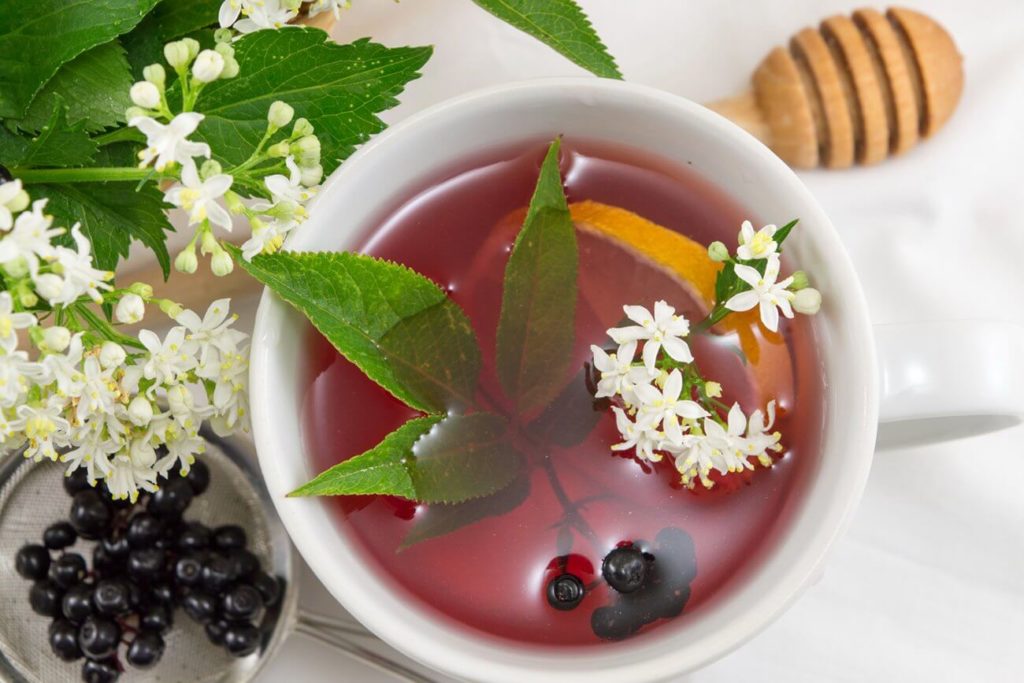
The black elderberry, also known as Sambucus nigra, is a small, antioxidant-rich fruit common to Europe and North America. It is an ancient natural medicine that is still in use to this very day. It is commonly consumed as a jam or wine under normal circumstances, but for medical benefits, elderberry extract is available commercially in tablet, gummy, or syrup form.
Scientists from the University of Sydney were curious as to how exactly the elderberry worked against Influenza. They decided to conduct a study. Professor Fariba Deghani and colleagues said:
“Elderberry extract is effective in treatment of flu. We aimed to determine the mechanism of action of elderberry and its active compounds against influenza virus.”
What they found was that compounds from elderberries exhibit multiple modes of therapeutic action against influenza infection. In a nutshell, the compounds from elderberries can directly inhibit the influenza virus’ entry and replication in human cells and can help strengthen a person’s immune response to the virus. The research was published in the Journal of Functional Foods.
To really understand the mechanism by which phytochemicals (compounds that positively affect health) from elderberries combat influenza infections, the researchers performed a comprehensive examination of the fruit. Commercially farmed elderberries were used. They were turned into a juice serum which was applied to cells before, during and after they had been infected with the influenza virus.
What they discovered from their testing was positively surprising. The phytochemicals from the elderberry juice were shown to be effective at stopping the virus from infecting the cells. Not only that, but they were even more effective at inhibiting viral propagation at later stages of the influenza cycle when the cells had already been infected with the virus. They also discovered that the elderberry’s antiviral activity can be attributed to its anthocyanidin compounds — phytonutrients – responsible for giving the fruit its vivid purple coloring.
The first author of the study, Dr. Golnoosh Torabian, said:
“What our study has shown is that the common elderberry has a potent direct antiviral effect against the flu virus. It inhibits the early stages of an infection by blocking key viral proteins responsible for both the viral attachment and entry into the host cells.”
Dr. Peter Valtchev, a co-author of the study, added:
“This observation was quite surprising and rather significant because blocking the viral cycle at several stages has a higher chance of inhibiting the viral infection.”
Professor Deghani further explained:
“In addition to that, we identified that the elderberry solution also stimulated the cells to release certain cytokines, which are chemical messengers that the immune system uses for communication between different cell types to coordinate a more efficient response against the invading pathogen.”
Conclusion
Their study showed that this folk medicine and herbal product that has been in use for millennia to combat a whole range of ailments can help with the worlds battle against the treacherous influenza virus. Simply by consuming elderberries, the fruit’s compounds can directly inhibit the virus’s entry and replication in human cells and can help strengthen a person’s immune response to the virus.


