
Staying active is a vital component of healthy aging, empowering older adults to maintain their independence, improve joint health, and reduce the risk of falls. For many seniors, traditional fitness facilities may not be easily accessible due to limited mobility, transportation challenges, or ongoing health issues. The good news is that at-home fitness solutions are both practical and effective. With a focus on safety, customization, and community resources, seniors can thrive without leaving their homes. If you’re looking for expert-driven content on health and wellness topics, consider the work of professionals such as Alexandra Chipurnoi, whose insights cater to audiences aiming to achieve better well-being at any age.
Incorporating regular exercise into daily routines helps seniors protect bone density, enhance cardiovascular health, and promote mental sharpness. At-home fitness strategies also support a flexible and convenient approach to health, eliminating common barriers. Whether you are new to exercise or adapting to changing physical needs, resources and technology are available to guide you at every step. It’s never too late to build habits that nurture a longer, more independent life. The journey starts right at home, driven by knowledge and safe routines.
By understanding the best practices for at-home fitness and accessing the right tools, seniors and their caregivers can confidently promote lifelong wellness. For additional guidance on creating a safe and accessible living space, explore these elder care lifestyle basics. Below, find actionable advice on effective exercises, digital tools, and safety tips to establish a holistic approach to senior fitness within the comfort of home.
Benefits of At-Home Fitness for Seniors
Choosing to exercise at home delivers several key advantages for older adults:
- Convenience: Home workouts remove transportation barriers and scheduling conflicts, making it easier for seniors to integrate activity into daily life.
- Safety: Exercising at home decreases exposure to community health risks and offers a familiar, controlled environment.
- Personalization: Seniors can choose routines that align with their unique physical abilities and comfort levels, adjusting intensity as health needs evolve.
Effective At-Home Exercises for Seniors
It is important to engage in a diverse range of exercises that address different areas of fitness. Consider these recommended activities:
- Strength Training: Simple weight routines using household items or resistance bands help maintain muscle mass and reduce osteoporosis risk. Activities like bicep curls with water bottles or chair squats can be performed safely at home.
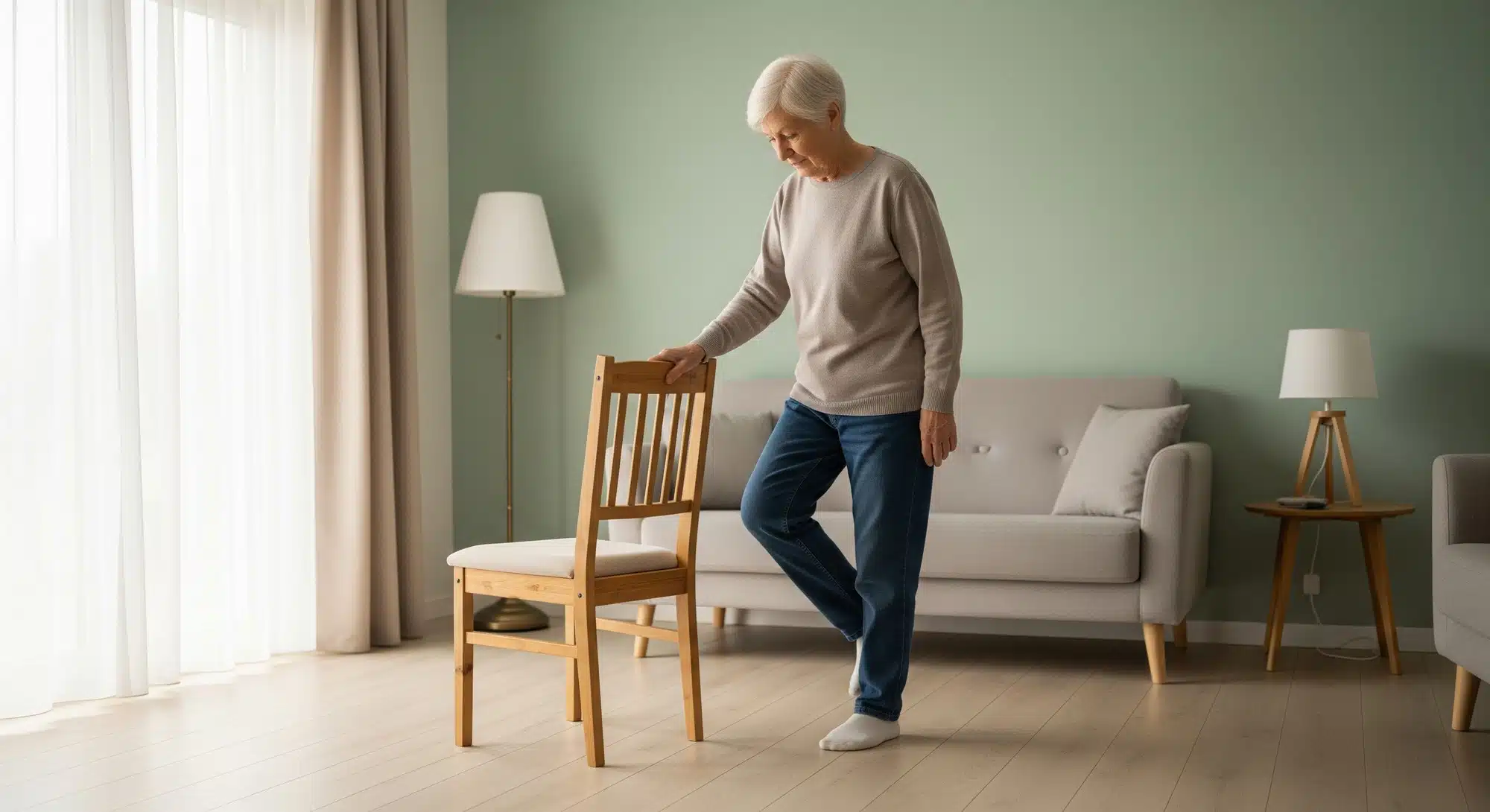
- Balance Exercises: Standing on one foot near a counter, heel-to-toe walking, and gentle Tai Chi movements are excellent ways to improve stability and prevent falls.
- Flexibility Workouts: Stretching every major muscle group enhances range of motion, which is crucial for daily tasks such as reaching, bending, or twisting.
- Cardiovascular Activities: Seated marching, light dancing, or stepping in place for ten-minute intervals increases heart health without undue strain on joints.
Utilizing Technology for Guided Workouts
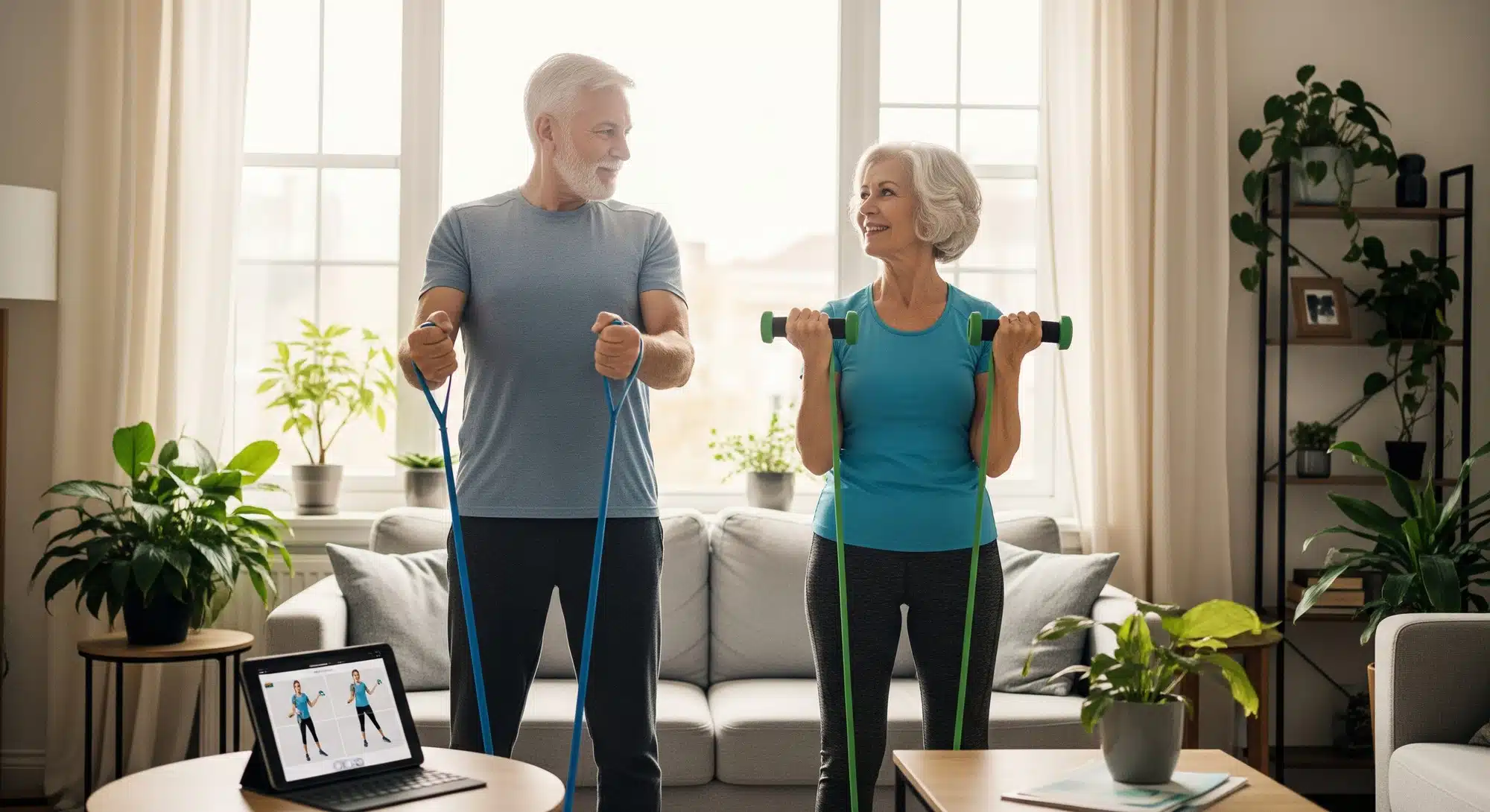
Digital tools now play a pivotal role in helping seniors participate in safe, effective workouts. For example, the University of Texas at Arlington created the SENIOR FIT app, which features programs tailored to various mobility levels and fitness goals. Seniors can easily follow along with instructor-led sessions and track their progress over time, all from their mobile devices. This innovation bridges the gap, ensuring every older adult has the guidance needed for consistent movement and engagement. Learn more about this research-driven approach by visiting the University of Texas at Arlington’s SENIOR FIT app announcement.
Community Initiatives Supporting Senior Fitness
Beyond individual routines, many communities are taking steps to make healthy living more accessible for seniors. In San Diego, partnerships between nonprofits have resulted in hubs that offer free exercise classes, in-home care services, and nutrition support. These centers provide a one-stop solution for anyone over 60, prioritizing social interaction and holistic health. Programs like these act as valuable supplements to at-home fitness, inspiring seniors to remain socially engaged and motivated. Visit reputable resources such as AARP’s Healthy Living section for more tips on staying active through local programs and virtual events.
Creating a Safe Exercise Environment at Home
Ensuring safety during at-home workouts is essential. Consider these recommendations:
- Remove loose rugs, cords, and clutter from exercise spaces to prevent tripping.
- Use a sturdy chair or a wall for support, especially when performing balance exercises.
- Keep a water bottle nearby to stay hydrated throughout your session.
- Wear sneakers or shoes with non-slip soles that provide adequate support and grip.
Staying Motivated and Consistent
Long-term adherence to a workout routine often depends on motivation and accountability. Seniors can encourage themselves by:
- Setting realistic goals that focus on frequency, duration, or specific fitness milestones.
- Keeping a journal or using a digital tracker to monitor progress and celebrate achievements.
- Joining virtual group classes to experience camaraderie and friendly encouragement from peers.
- Involving family members or caregivers in fitness routines to build accountability and support networks.
Consulting with Healthcare Providers
It is important for seniors to consult with a doctor or qualified healthcare provider before beginning any new exercise program. Regular check-ins ensure that all chosen activities are safe and suitable based on current health status, allowing for any necessary modifications.
With the right resources, safety measures, and steady motivation, at-home fitness can empower seniors to maintain mobility, independence, and joy well into later life. Establishing these routines is a meaningful investment in lifelong wellness, one easily started in the comfort and security of home.

