
In recent years, wellness enthusiasts and health-conscious individuals have witnessed a remarkable transformation in home-based therapeutic treatments. Among the most innovative developments is the sauna blanket—a portable, space-saving alternative to traditional saunas that promises similar benefits without the substantial investment or spatial requirements. These ingenious devices harness sophisticated technology to deliver infrared heat therapy directly to the body, offering users a convenient method to potentially improve circulation, promote relaxation, and support detoxification processes. Understanding the technology that powers these blankets reveals a fascinating intersection of ancient wellness practices and cutting-edge scientific innovation.
The Foundation: Infrared Technology and Heat Generation
At the core of every sauna blanket lies infrared technology, the fundamental mechanism that distinguishes these devices from conventional heating methods. Unlike traditional saunas that heat the surrounding air to create a hot environment, sauna blankets employ infrared radiation to penetrate the skin directly, warming the body from within whilst maintaining a relatively moderate external temperature.
The infrared spectrum comprises three distinct wavelengths: near-infrared (NIR), mid-infrared (MIR), and far-infrared (FIR). Most contemporary sauna blankets utilise far-infrared technology, which operates at wavelengths between 5.6 and 1000 micrometres. This specific range is particularly effective for wellness applications because FIR waves can penetrate approximately 1.5 to 2 inches beneath the skin’s surface, reaching muscles, tissues, and even blood vessels without causing discomfort or surface-level heat damage.
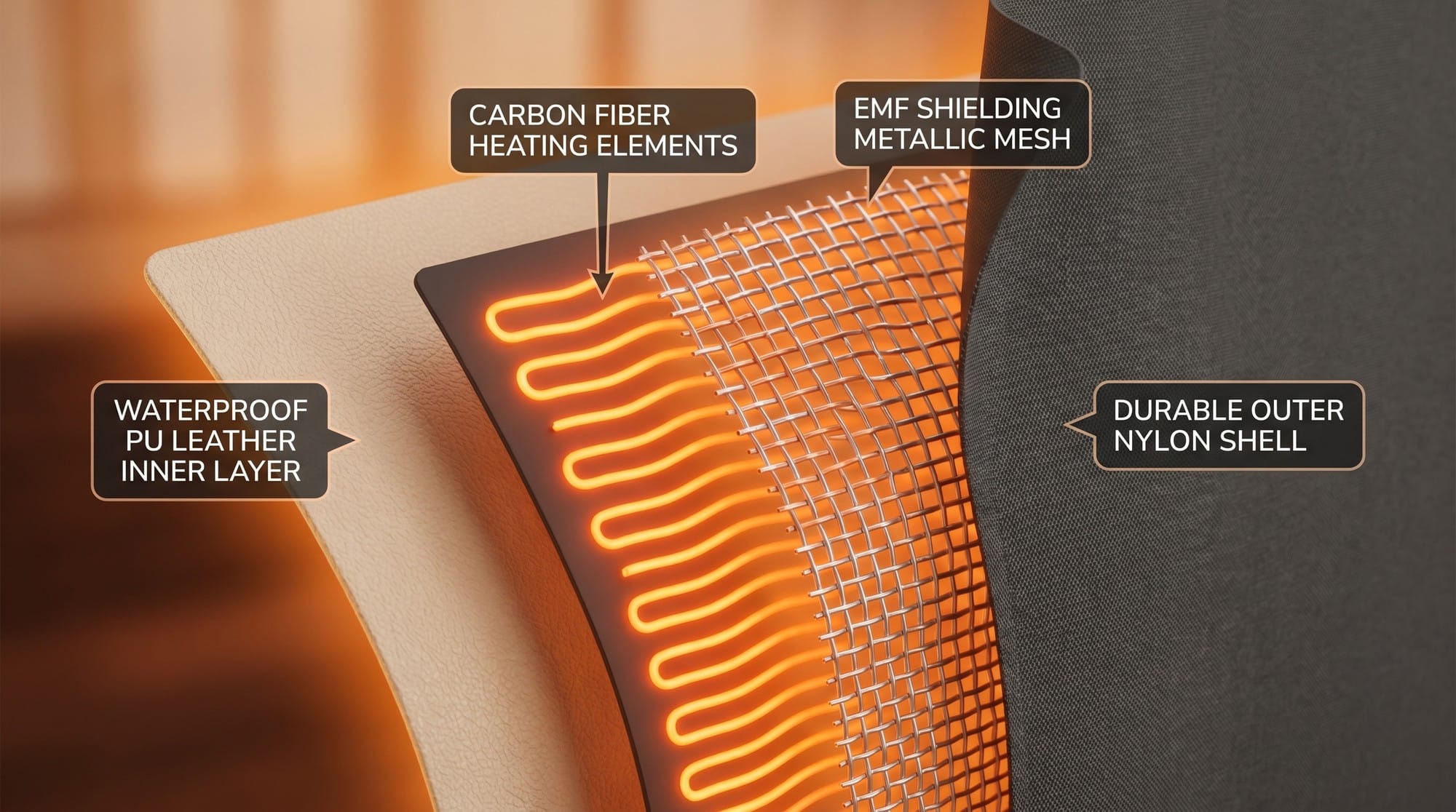
The heating elements within sauna blankets typically consist of carbon fibre panels or metallic conductors that emit infrared waves when electrical current passes through them. These elements are strategically positioned throughout the blanket’s interior to ensure even heat distribution across the body. Advanced models feature multiple heating zones with independent temperature controls, allowing users to customise the intensity of heat delivered to different body regions, thereby optimising the therapeutic experience according to individual preferences and requirements.
Material Science: The Protective Outer Layers
The materials used in sauna blanket construction represent a critical technological component that directly impacts safety, effectiveness, and longevity. Premium sauna blankets employ multiple layers of sophisticated materials, each serving a specific function in the overall design.
The innermost layer, which comes into direct contact with the user’s body, typically consists of waterproof, non-toxic materials such as medical-grade polyurethane (PU) leather or thermoplastic polyurethane (TPU). These materials must withstand repeated exposure to heat and perspiration whilst remaining easy to clean and maintain. The waterproof nature of this layer prevents sweat from seeping into the electrical components, thereby protecting both the user and the device’s internal mechanisms.
Beneath this inner layer lies the heating element layer, carefully insulated and sealed to prevent electromagnetic field (EMF) exposure. Quality manufacturers incorporate EMF-blocking technology, utilising metallic mesh shields or specialised fabrics that redirect electromagnetic radiation away from the user’s body. This consideration addresses growing concerns about prolonged EMF exposure and demonstrates the industry’s commitment to user safety.
The outermost layer typically comprises durable, heat-resistant materials such as reinforced nylon or polyester blends. This exterior shell provides structural integrity, protects the internal components from physical damage, and contributes to heat retention, ensuring the infrared energy remains focused inward rather than dissipating into the environment.
Temperature Control and Safety Mechanisms
Modern sauna blankets incorporate sophisticated temperature control systems that ensure both effectiveness and safety during use. These systems rely on advanced thermostatic technology and multiple fail-safe mechanisms to prevent overheating and maintain consistent temperature levels throughout sessions.
Digital controllers, typically connected via reinforced cables, allow users to adjust temperature settings precisely, often ranging from 25°C to 80°C. These controllers feature LED or LCD displays that provide real-time temperature readings, enabling users to monitor their sessions accurately. Many contemporary models include pre-programmed settings designed for specific therapeutic purposes, such as muscle recovery, relaxation, or intensive detoxification sessions.
Built-in safety features represent perhaps the most critical technological aspect of sauna blanket design. Automatic shut-off timers prevent extended use that could lead to dehydration or heat exhaustion, typically limiting sessions to between 30 and 60 minutes. Temperature sensors throughout the blanket continuously monitor heat levels, triggering automatic power reduction or complete shutdown if temperatures exceed safe thresholds. Additionally, overheat protection circuits immediately disconnect power supply should any component malfunction, preventing potential fire hazards or burns.
Ground fault circuit interrupters (GFCI) provide another essential safety layer, detecting any electrical irregularities and instantly cutting power to prevent electrical shocks. These multiple redundant safety systems work in concert to create a secure environment for home use without professional supervision.
Power Efficiency and Electrical Engineering
The electrical engineering underpinning sauna blankets reflects a careful balance between heating efficiency and energy conservation. Most residential sauna blankets operate on standard household electrical supplies, typically requiring between 180 and 500 watts of power—significantly less than traditional saunas, which can consume several thousand watts.
This remarkable efficiency stems from the targeted nature of infrared heating. Rather than heating an entire room or cabin, sauna blankets direct energy exclusively toward the user’s body, minimising wasted energy. Advanced power management systems optimise electricity consumption by modulating power delivery based on real-time temperature readings, reducing power draw once target temperatures are achieved and maintaining heat through intermittent pulses rather than continuous maximum output.
The low-voltage design of modern sauna blankets also contributes to their safety profile. Many models incorporate transformers that convert household alternating current (AC) to direct current (DC), providing stable, regulated power to heating elements whilst reducing electromagnetic emissions and electrical hazards.
Smart Technology Integration and Future Developments
As consumer electronics continue to embrace connectivity and automation, sauna blanket technology has begun incorporating smart features that enhance user experience and effectiveness. Contemporary models increasingly feature Bluetooth connectivity, allowing users to control their blankets via smartphone applications. These apps enable remote temperature adjustment, session timing, and even tracking of usage patterns over time.
Some advanced systems integrate with broader wellness ecosystems, syncing with fitness trackers and health monitoring devices to provide personalised recommendations based on activity levels, heart rate variability, and recovery needs. Machine learning algorithms analyse user preferences and physiological responses, automatically adjusting temperature profiles and session durations to optimise therapeutic outcomes.
Emerging developments in sauna blanket technology include the integration of chromotherapy (colour therapy) LED systems, which emit specific light wavelengths believed to promote various psychological and physiological benefits. Additionally, researchers are exploring the incorporation of negative ion generation technology, which may enhance air quality and contribute to the overall wellness experience.
The Science of Heat Distribution and Thermal Dynamics
The effectiveness of sauna blankets relies heavily on principles of thermodynamics and heat transfer. Engineers design these devices to maximise conductive and radiative heat transfer whilst minimising convective losses. The blanket’s enclosed design creates a microenvironment where infrared radiation reflects off interior surfaces, intensifying the thermal effect without requiring excessive power input.
Strategic placement of heating zones accounts for variations in body composition and heat sensitivity across different anatomical regions. Core areas typically receive more concentrated heat, whilst extremities may be subject to slightly lower temperatures to prevent discomfort. This nuanced approach to heat distribution ensures comprehensive coverage whilst maintaining user comfort throughout sessions.
Conclusion: A Convergence of Innovation and Wellness
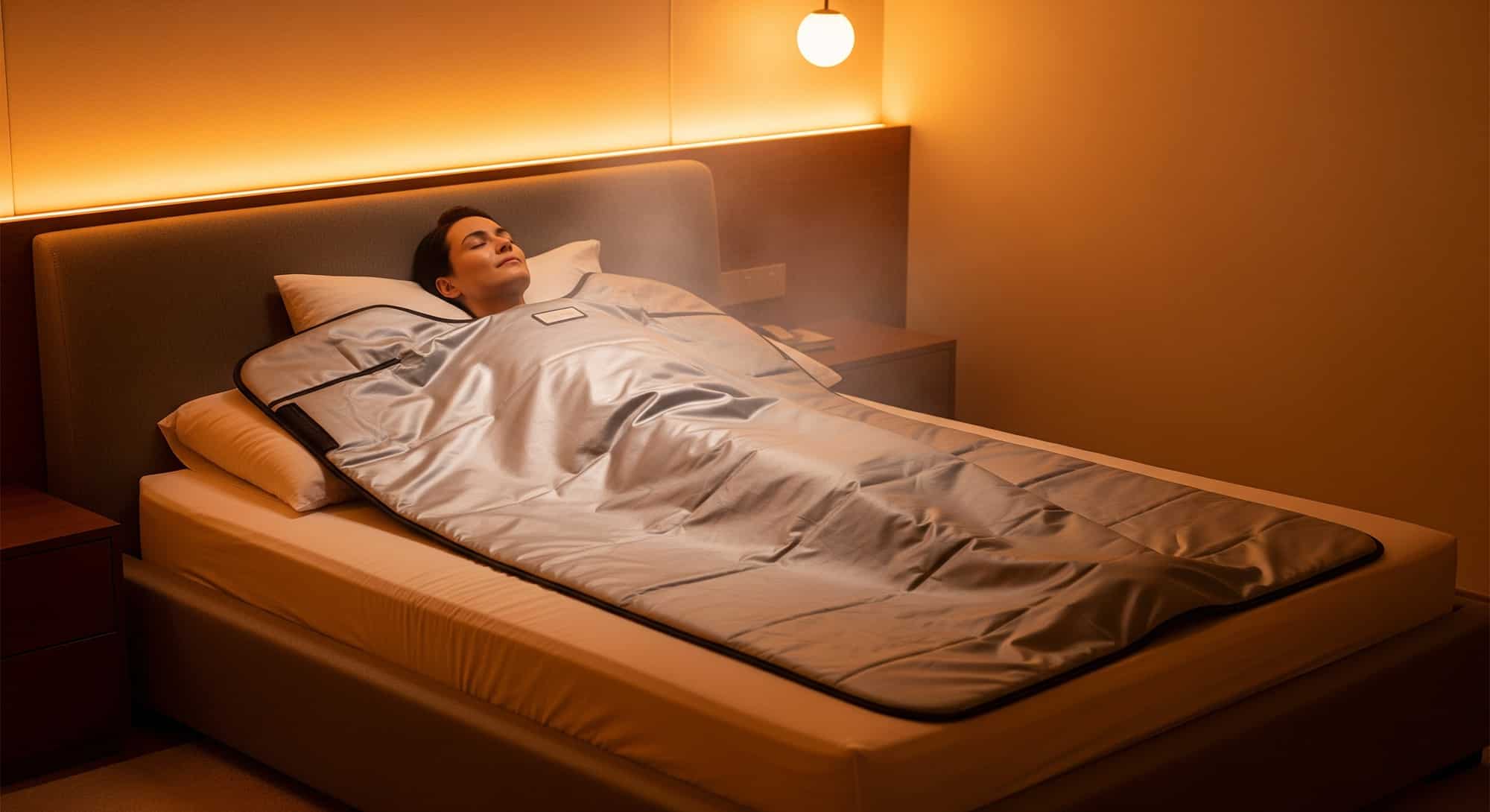
Sauna blankets represent a remarkable achievement in portable wellness technology, combining advanced materials science, sophisticated electrical engineering, and infrared physics to deliver therapeutic heat therapy in a convenient, accessible format. From the carefully calibrated infrared heating elements to the multiple layers of safety mechanisms, every component reflects thoughtful design aimed at maximising benefits whilst prioritising user safety.
As technology continues to evolve, we can anticipate even more sophisticated features that personalise and enhance the sauna blanket experience. Whether through improved energy efficiency, smarter controls, or integration with broader health monitoring systems, the future of this technology promises to make therapeutic heat treatment increasingly accessible, effective, and tailored to individual wellness needs. For those seeking the rejuvenating benefits of sauna therapy without the constraints of traditional installations, understanding the technology behind these innovative devices illuminates why they have become such valued tools in the modern wellness arsenal.


