
Imagine a world where talking to a computer feels just like chatting with a friend. Thanks to OpenAI’s latest innovation, GPT-4o, this futuristic concept is now within our reach. Introduced in May 2024, GPT-4o isn’t just any artificial intelligence (AI) model—it’s a groundbreaking leap forward in how machines understand and interact with us humans. This model allows for real-time conversations across text, voice, and even images, making interactions with AI more natural and engaging than ever before.
But that’s not all. Only a handful of years ago, an AI debated with humans on the subject of the benefits of AI for the first time. Today, a cutting-edge algorithm has surfaced, promising even greater accuracy in detecting human emotions and intentions.
Together, GPT-4o and these advanced emotion recognition algorithms herald a new era in AI technology, poised to revolutionize everything from customer service to healthcare. In this article, we’ll explore how these technologies work, their implications, and the exciting ways they might transform our future.

Understanding GPT-4o and Its Capabilities
What is GPT-4o?
At its core, GPT-4o is a state-of-the-art AI model designed to understand and generate content across multiple formats like text, images, and audio. Unlike traditional models that might only handle text, GPT-4o boasts “multimodal” capabilities, meaning it can seamlessly switch between different types of communication. For instance, it can listen to your voice, understand what you’re saying, and respond either through text or even a synthesized voice in real-time.
But what really sets GPT-4o apart is its speed. This model can respond almost as quickly as humans—in about 232 to 320 milliseconds. Not only does it handle English proficiently, but it also excels in more than 50 other languages, making it a truly global AI assistant.
Key Features of GPT-4o
- Real-time Conversation: GPT-4o can engage in natural, fluid conversations. Whether through text or voice, it can keep up with human-like speed and naturalness.
- Multimodal Generation: Need a presentation that includes text, images, and voiceover? GPT-4o can create all these components, making it incredibly versatile for various applications.
- Improved Multilingual Support: This AI model understands and generates content in over 50 languages, breaking down language barriers and enabling more inclusive communication.
- Enhanced Accessibility: Imagine having an AI that can describe scenes in real time for visually impaired users or translate sign language into spoken words. GPT-4o’s capabilities make these scenarios possible, thereby enhancing accessibility.
These features demonstrate GPT-4o’s potential to transform daily interactions with technology, from personal virtual assistants to customer service bots that can understand and respond to queries more naturally and efficiently.
Emulating Human Emotions with GPT-4o
Human-like Interactions
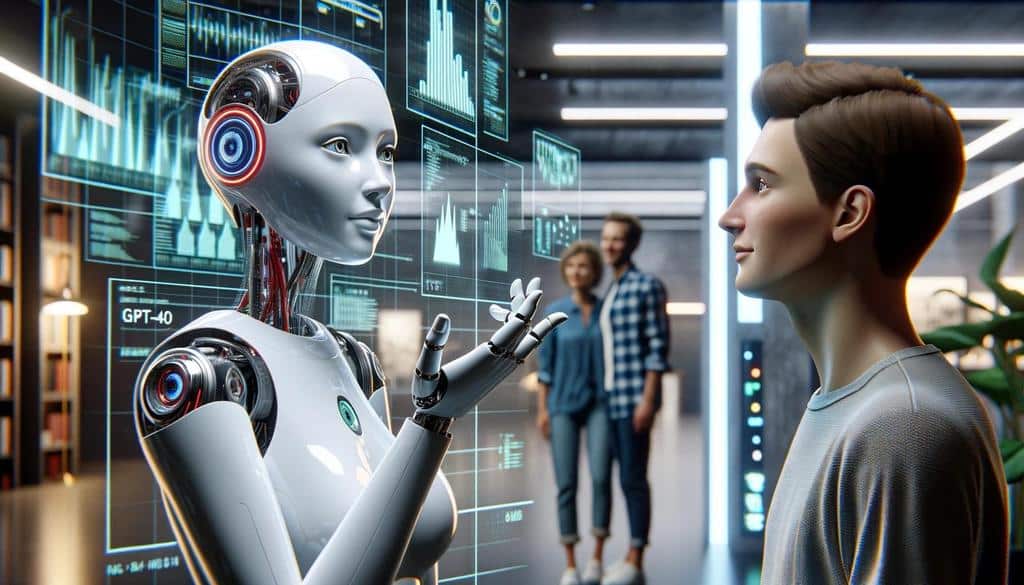
One of the standout features of GPT-4o is its ability to mimic human emotions. This means it doesn’t just understand what you’re saying; it can also grasp how you’re feeling and respond accordingly. For example, when chatting with you, GPT-4o can detect emotional cues like joy, sadness, or sarcasm through your words and tone of voice. This makes interactions with AI more personable and relatable.
In OpenAI’s demonstrations, GPT-4o has shown that it can tell jokes, laugh, and even sing in a way that feels spontaneous and authentic. By recognizing emotional context, GPT-4o aims to make conversations more engaging and enjoyable.
Technological Mechanisms
So, how does GPT-4o achieve this emotional intelligence? The secret lies in its innovative design, which allows it to process and integrate various types of input simultaneously. In simpler terms, it can analyze your written words, the tone of your voice, and even facial expressions captured through a camera all at once.
Here’s a breakdown of the mechanisms at work:
- Text Analysis: GPT-4o examines written words for emotional hints. It looks for keywords like “happy” or “sad,” punctuation marks like exclamation points, and even emoji to gauge the sentiment behind the text.
- Audio Cues: By analyzing voice pitches and patterns, GPT-4o can identify emotions such as anger (signaled by a raised voice) or nervousness (indicated by a trembling tone).
- Facial Recognition: Using visual input, GPT-4o detects facial expressions associated with different emotions. For instance, a smile suggests happiness, while a furrowed brow might indicate confusion.
While GPT-4o’s emotional recognition is still developing, it represents a significant step toward creating AI systems that can interact on a more human level, offering responses that are empathetic and contextually appropriate.

Advanced AI Algorithms for Emotion Detection
Introduction to New AI Algorithms
The progress doesn’t stop with GPT-4o. Recent advancements in AI algorithms have introduced even more sophisticated ways to detect and understand human emotions. These new algorithms use complex techniques like cognitive-emotional appraisal and reinforcement learning to predict and simulate emotions more accurately.
These technical terms might sound daunting, but let’s break them down:
- Cognitive-Emotional Appraisal: This concept involves evaluating situations to determine which emotions they might evoke. For example, getting a promotion might lead to happiness, while failing a test might result in sadness or frustration.
- Reinforcement Learning: This is a type of machine learning where an AI model learns to make decisions by receiving feedback from its actions. Imagine teaching a pet tricks by rewarding it for good behavior—reinforcement learning works similarly but in the digital realm.
How It Works
Advanced AI algorithms employ these concepts to provide a richer understanding of human emotions. They integrate various data points from text, audio, and visual inputs to make informed predictions about a person’s emotional state.
For instance, while you’re interacting with an AI, these algorithms can:
- Predict Emotions: By analyzing linguistic and non-linguistic cues, the algorithms can forecast how you might feel in response to different scenarios.
- Simulate Emotions: They can generate appropriate emotional responses, making AI interactions feel more natural and human-like.
These advancements are exciting because they build on the foundation laid by models like GPT-4o, enhancing the AI’s ability to not only detect but also understand and respond to human emotions and intentions.
With these robust emotional detection capabilities, AI is not just about executing tasks anymore—it’s about understanding and interacting with users on a deeply human level, paving the way for more intuitive and empathetic technologies.
Potential Future Use Cases for Emotional AI
Enhancing Customer Experience
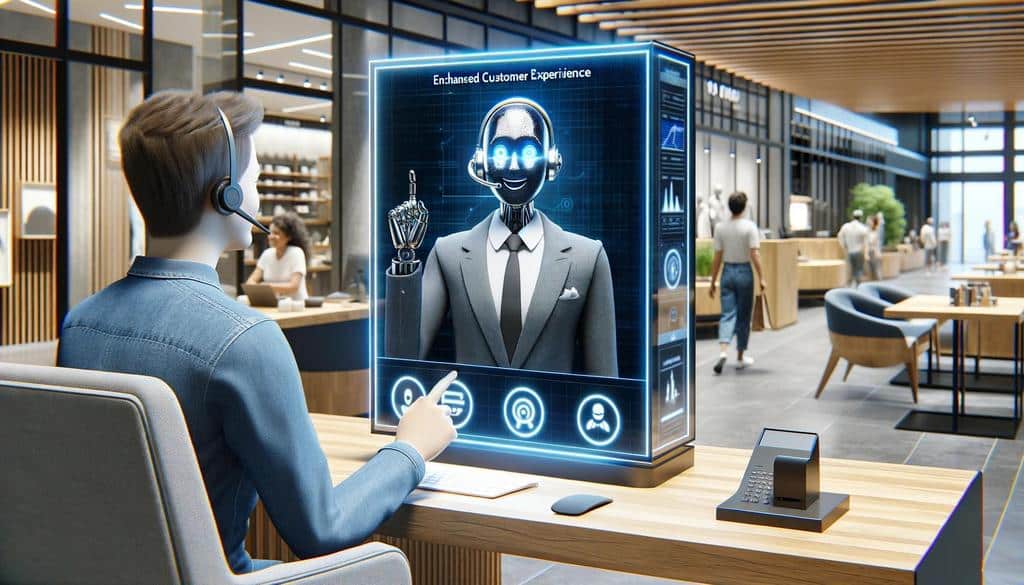
One of the most promising applications of GPT-4o and advanced emotion recognition technology is in customer service. Imagine calling a customer service line and chatting with an AI that can understand and respond to your emotions. If you’re frustrated, it could recognize your tone and address your concerns with extra empathy, making the entire experience smoother and more satisfactory.
Companies could implement GPT-4o in their customer service platforms to handle routine inquiries more effectively, freeing up human agents for more complex issues. This not only increases efficiency but also ensures that customers feel heard and understood. As OpenAI’s advancements continue to integrate into customer-facing roles, we can expect a significant boost in customer satisfaction and loyalty.
Applications in Healthcare
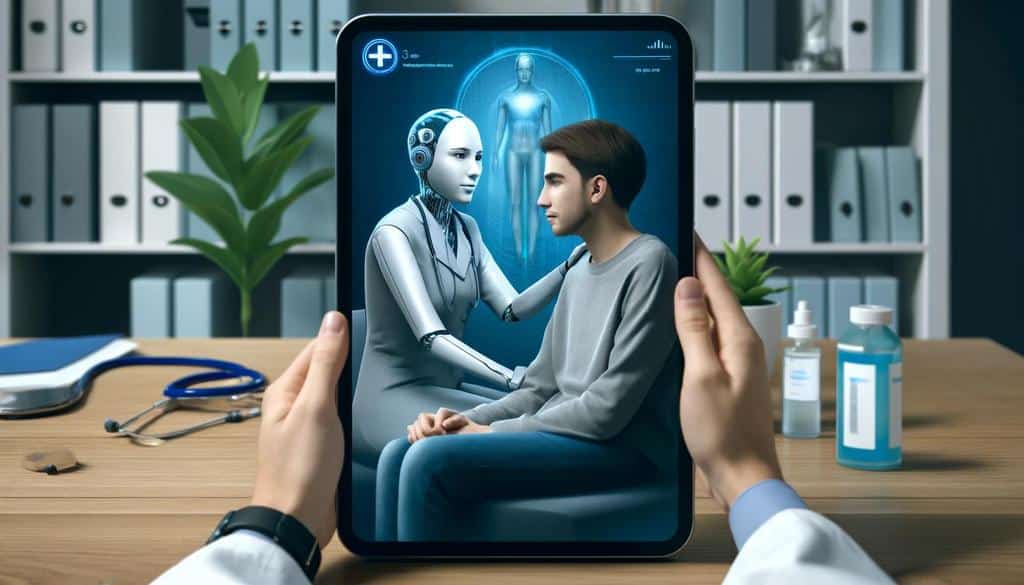
In healthcare, the ability of AI to understand and respond to human emotions can be transformational. Virtual therapists or AI counselors using GPT-4o could provide mental health support, offering an empathetic ear to those who might not have access to traditional mental health services. For instance, an AI could guide someone through a stressful situation by recognizing their emotional state and responding with appropriate calming techniques.
Furthermore, AI-powered tools could assist doctors by remotely monitoring patients’ emotional well-being, especially those with chronic illnesses or long-term care needs. By analyzing facial expressions and vocal tones, these tools could alert healthcare providers to signs of depression or anxiety, ensuring timely intervention and personalized care.

Education and Training
The educational sector stands to gain immensely from GPT-4o’s capabilities. AI tutors could provide personalized learning experiences by adapting to students’ emotional states. For instance, if a student is struggling with a particular concept and showing signs of frustration, the AI tutor could offer encouragement and break down the lesson into simpler steps.
These technologies could also benefit training simulations. Imagine emergency response training where the AI can detect stress levels and provide feedback or additional support in real-time. This would create a more realistic and supportive learning environment, preparing individuals more effectively for high-stress situations they may encounter in real life.

Ethical Considerations and Challenges
Emotional Manipulation Risks
With great power comes great responsibility. The ability of AI to recognize and respond to human emotions raises significant ethical concerns, particularly around emotional manipulation. Companies and developers must ensure that these technologies are not used to exploit users by manipulating their emotions for profit. For example, targeted advertising that leverages emotional data could influence purchasing decisions in ways that consumers might not fully realize.
To mitigate these risks, it’s crucial to establish ethical guidelines for developing and deploying emotionally intelligent AI. These guidelines should promote transparency, ensuring users understand how their data is being used and for what purpose. Without such measures, there’s a risk that these powerful tools could be misused, leading to negative societal impacts.
Privacy Issues
Another significant challenge is privacy. For AI to accurately detect and respond to emotions, it needs access to personal data, such as voice recordings, facial expressions, and even text communications. This raises concerns about how this data is collected, stored, and used. Users must be assured that their data is secure and that their privacy is respected.
Developers must implement robust data protection protocols and ensure compliance with privacy laws and regulations. Additionally, users should be given control over their data, including the ability to opt-out of data collection and to have their data deleted upon request.

Ethics of GPT-4o and Advanced Emotion Recognition Technologies
GPT-4o and advanced emotion recognition algorithms represent a monumental leap forward in AI technology. By emulating human emotions and understanding intent, these technologies promise to revolutionize a wide array of industries—from customer service and healthcare to education and beyond.
However, as we stand on the brink of this new era, it’s vital to consider the ethical implications and privacy concerns that come with such powerful technologies. Ensuring responsible development and deployment will be key to harnessing these innovations for the greater good.
Through thoughtful application and vigilant oversight, GPT-4o and its successors could truly transform our interactions with technology, making them more human, more understanding, and, ultimately, more beneficial for society as a whole. The future is bright with possibilities, and these advancements are just the beginning of a new chapter in human-computer interaction.


