
Do you want to immerse yourself in a new culture, explore unfamiliar landscapes, and meet diverse individuals? If so, it could be time for you to move abroad. Before moving to a different country, however, you’ll need to know how to find the perfect property and job. You should also consider the climate and thoroughly review your finances. In this article, we provide six pieces of advice that are essential for a successful transition.
1. Research The Local Customs And Laws
When moving to a different country, you may unintentionally offend locals or get into legal trouble if you don’t study local customs and laws. Before you go, make sure you research the cultural norms, greetings, and social etiquette in your chosen destination.
In Japan, modesty and formality are highly valued. Therefore, locals tend to dress conservatively and use subtle gestures to convey respect. On the other hand, people from countries like Brazil or Italy commonly use expressive body language to communicate. Colors and symbols on clothing can hold varying meanings across cultures. Wearing white in some Asian societies symbolizes mourning and is inappropriate for festive occasions. In Middle Eastern cultures, it’s important to consider cultural norms when it comes to showing skin or displaying certain patterns on fabrics.
Before moving to a different country, familiarize yourself with the local laws and regulations to ensure you stay compliant. What might be acceptable behavior in your home country could be illegal elsewhere. For example, some nations have strict rules about public displays of affection or alcohol consumption. You can avoid potentially embarrassing or harmful situations by being informed about these aspects. Instead, you can experience a more seamless integration into your new community.

2. Think About Visas And Documentation
Ensuring that all legal requirements are met is essential for your peace of mind because it helps to avoid any complications or issues later on. Imagine having delayed access to your chosen country or even being deported. Different countries have varying visa procedures and documentation requirements, so you must research and understand your destination’s specific rules and regulations. Several types of visas include:
- tourist visas
- student visas
- work visas
- business visas
- diplomatic visas
Each one serves a different purpose and has specific requirements and restrictions. If you’re pursuing a Portugal golden visa, the processing time is about 18 months. It involves investing 500,000 Euros in an equity fund, and it’ll let you live, work, and study there. Never leave your visa preparation until the last minute. This can lead to unnecessary stress and potentially jeopardize your move.
If you plan on applying for a U.S. work visa, various online resources can also help you understand more on O1 vs H1B, which can clarify the eligibility criteria and benefits of each. Start gathering the necessary documents and applying for visas well in advance. Seek assistance from immigration experts or legal professionals. They can help with the complex visa processes and make sure all requirements are met accurately.
3. Prepare Your Finances
Budgeting for the move is essential for ensuring an easy relocation. Start by calculating the total cost of the move, including expenses like transportation, accommodation, and visas. Factor in daily living costs and set aside a buffer fund for unexpected expenses that may arise during the process. It’s also important to research banking options in your new country. If you set up accounts in advance, it’ll be easier to access money and conduct financial transactions upon arrival.
Embracing frugality during the preparation period can help you save more money for the move. Look at ways to reduce non-essential expenses, such as dining out or luxury items. Selling things you won’t take with you can generate extra funds while minimizing clutter. Additionally, explore cost-saving opportunities in your new country. Things like shared accommodations or public transportation can significantly reduce your monthly living expenses.

4. Learn The Language Basics of the Country
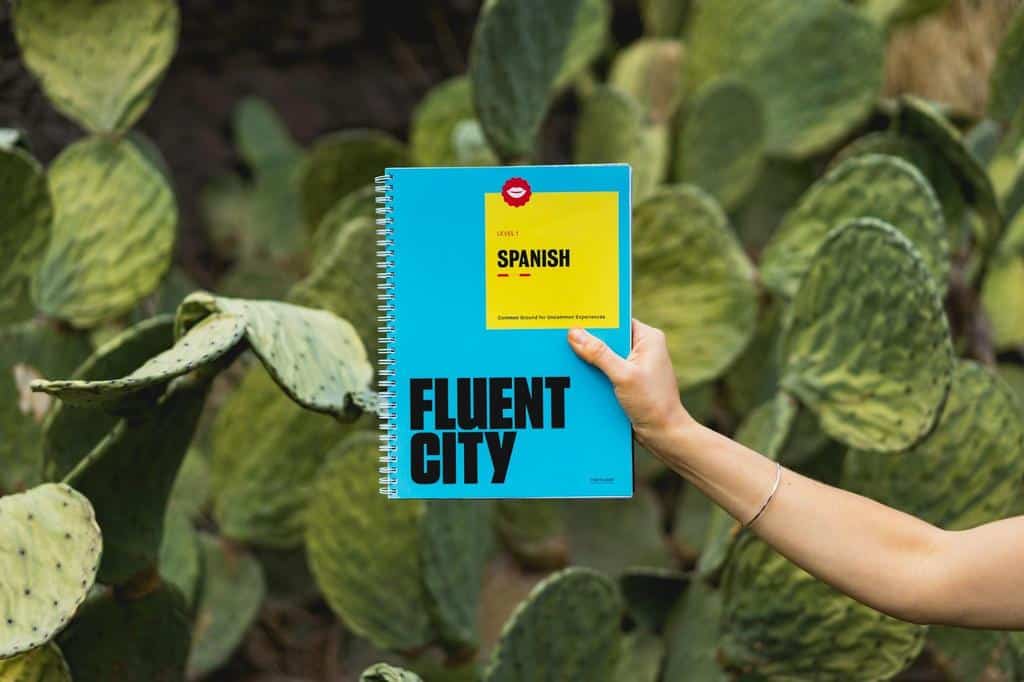
Before embarking on your journey abroad, taking time to learn some of the local languages can be incredibly beneficial. It not only aids in your daily interactions but also demonstrates that you show respect for the local culture you’re about to immerse yourself in. This small effort can pave the way for forming meaningful connections and building friendships.
Knowing even a few key phrases can significantly enhance your comfort in a new environment. It allows you to engage with locals, read signs, and navigate the area more efficiently. Additionally, you will find it much easier to accomplish everyday tasks like shopping for groceries or asking for directions. This preparation helps you integrate smoothly into your new surroundings.
Skipping this part of the process could make you vulnerable in areas that don’t speak your language. The same thing applies if you encounter an emergency. Should you become fluent in an extra language, this will become an invaluable life skill. It may even open up new doors career-wise.
5. Study Healthcare And Insurance
Understanding how healthcare functions in your host country is crucial for your well-being. Some countries (e.g., England) have universal healthcare systems where most medical services are covered by the government. Many others (e.g., the USA) rely heavily on private insurance. Before you travel, research the healthcare options available to you.
Consider purchasing comprehensive health insurance to ensure you have access to quality care. This could assist with things like:
- Doctor’s visits and prescription drug coverage
- Hospitalization coverage and preventive care services (e.g., vaccinations, screenings)
- Emergency medical services and mental health services
- Maternity care and newborn care
- Rehabilitation services and physical therapy services
6. Build A Strong Social Support System
To achieve this, you should reach out to local community groups, join expat meetups, and participate in cultural events. All of these things and more can help you connect with like-minded individuals. These initial interactions can lead to forming strong bonds and friendships, which can provide emotional and practical support in your new surroundings.
Remember that every best friend once began as a stranger, so be proactive in seeking out opportunities to meet new people. You can do this through hobbies, volunteering, or striking up conversations with neighbors. Building a diverse network of friends and acquaintances can provide companionship. It also opens doors to valuable information and resources that can ease the transition process.
6 Practical Tips for Smooth International Moving
Moving to a different country is a hugely unsettling experience, but it can be worth it in the long run. By following these six practical tips, you can reduce stress and even enjoy the process. Once you’re established, people will be keen to visit you. In fact, you may even inspire them to do the same thing!


