
Looking to refresh your home without hurting the planet? You’re not alone. More homeowners are now embracing eco-conscious upgrades that not only look good but also do good. For instance, even your choice of a professional rug cleaner can contribute to this shift if you opt for one that uses eco-friendly methods.
The best part? Sustainable doesn’t have to mean expensive or tedious. With a few smart choices, you can breathe new life into your living space while lowering your carbon footprint. Whether you’re planning a minor revamp or a significant refresh, going green at home can be practical, stylish, and rewarding.

1. Switch to Energy-Efficient Lighting
One of the easiest ways to start your eco-friendly journey is by replacing old incandescent bulbs with LED or CFL lights. These alternatives use up to 80% less energy and last significantly longer, ultimately saving you money on your electric bill over time.
For added impact, consider installing motion sensors in rooms such as the bathroom, laundry room, or hallway. This ensures that lights automatically turn off when not in use, further saving energy. Want to take it a step further? Incorporate natural light by using light-colored curtains or sheer blinds to brighten up rooms during the day.
2. Paint with Low-VOC and Non-Toxic Finishes
Consider giving your walls a new coat of paint. Be sure to check the label. Many traditional paints contain volatile organic compounds (VOCs), which release harmful gases into the air and can trigger allergies or respiratory issues. Instead, opt for low-VOC or zero-VOC paints.
These environmentally friendly options are now widely available and come in a variety of shades and finishes. The same goes for wood stains and sealants. Choosing low-toxicity materials enhances your indoor air quality while maintaining your home’s style and safety.
3. Adopt Eco-Friendly Cleaning Methods
When was the last time you cleaned your carpets and area rugs? These often-overlooked items can harbor allergens, bacteria, and dirt, which can negatively impact your indoor air quality. Instead of using harsh chemical cleaners, try a natural approach. Baking soda works wonders as a deodorizer; just sprinkle it on the carpet, let it sit for 15–30 minutes, then vacuum it up.
For a deeper clean, consider hiring a green carpet cleaning service that uses plant-based or biodegradable products. Regular eco-friendly maintenance of carpets not only makes your space feel fresher but also extends the life of these textile investments.
4. Decorate with Sustainable and Upcycled Furniture
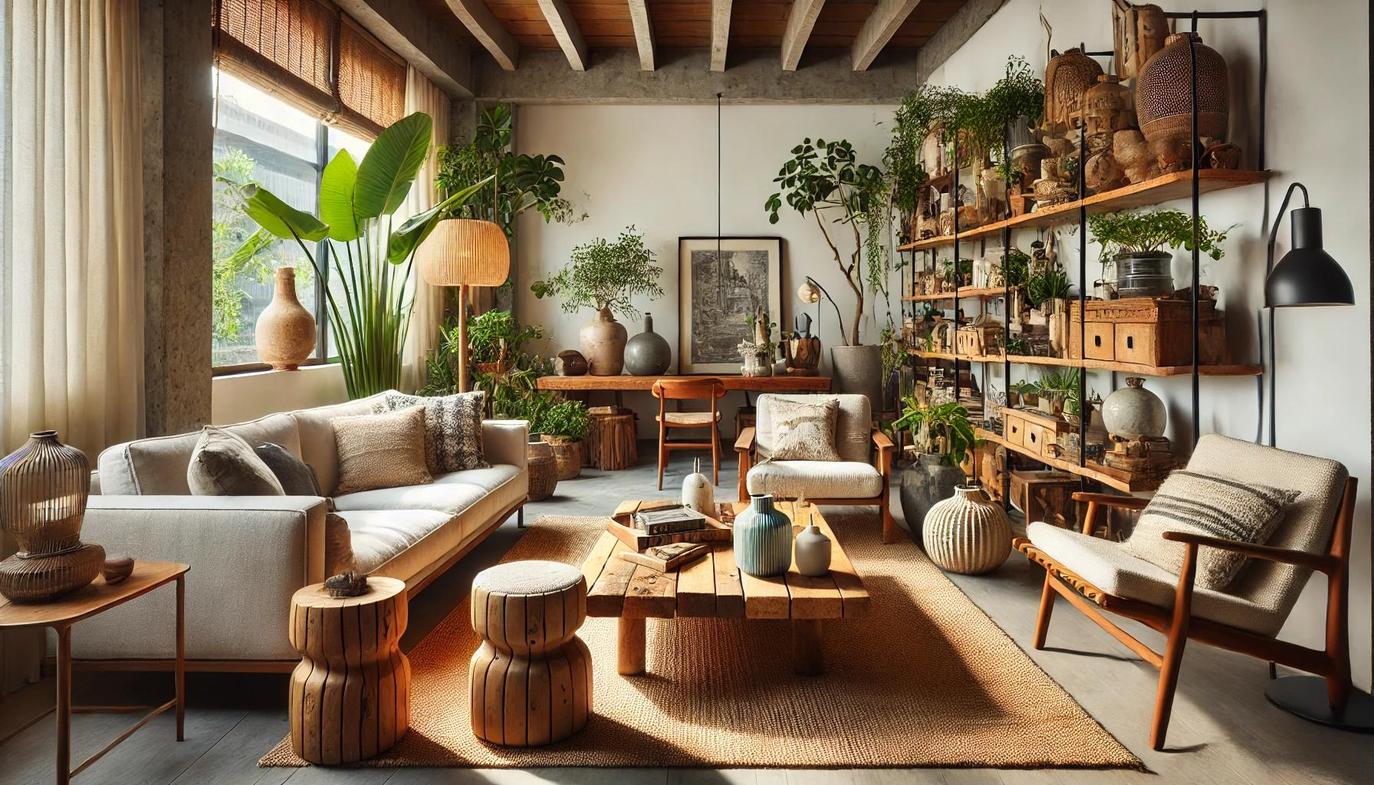
Updating your home’s look doesn’t always require brand-new purchases. Consider buying pre-loved furniture from thrift stores or online marketplaces. Not only does this prevent items from ending up in landfills, but it can also lead to some truly unique finds.
When purchasing new furniture, look for pieces made from reclaimed wood, bamboo, or FSC-certified materials. Even simple changes, such as adding throw pillows made of organic cotton or jute rugs, can elevate your decor while staying green. You can also repurpose or upcycle existing items with a bit of creativity and a DIY mindset.
5. Boost Your Home’s Insulation and Ventilation
Improving your home’s insulation and ventilation can keep your space comfortable year-round without over-relying on the air conditioner or heater.
First, focus on improving insulation in key areas like:
- Your attic
- Walls
- Around windows
When choosing materials, consider eco-friendly options like sheep’s wool, cotton, or cellulose. Pairing better insulation with effective ventilation strategies, such as installing energy-efficient ceiling fans, will make your space more comfortable and reduce your energy bills.
6. Conserve Water with Simple Upgrades
Refreshing your space also means being mindful of water usage. You can make a significant impact with a few key changes:
- Upgrade to Low-Flow Fixtures: Replace old faucets, showerheads, and toilets with modern, low-flow versions.
- Harvest Rainwater: Install a rainwater collection system or a simple barrel to water your plants and garden sustainably.
- Adopt Water-Saving Habits: Indoors, fix leaky taps promptly and use cold water settings for your laundry whenever possible.
7. Create an Efficient Recycling and Compost System
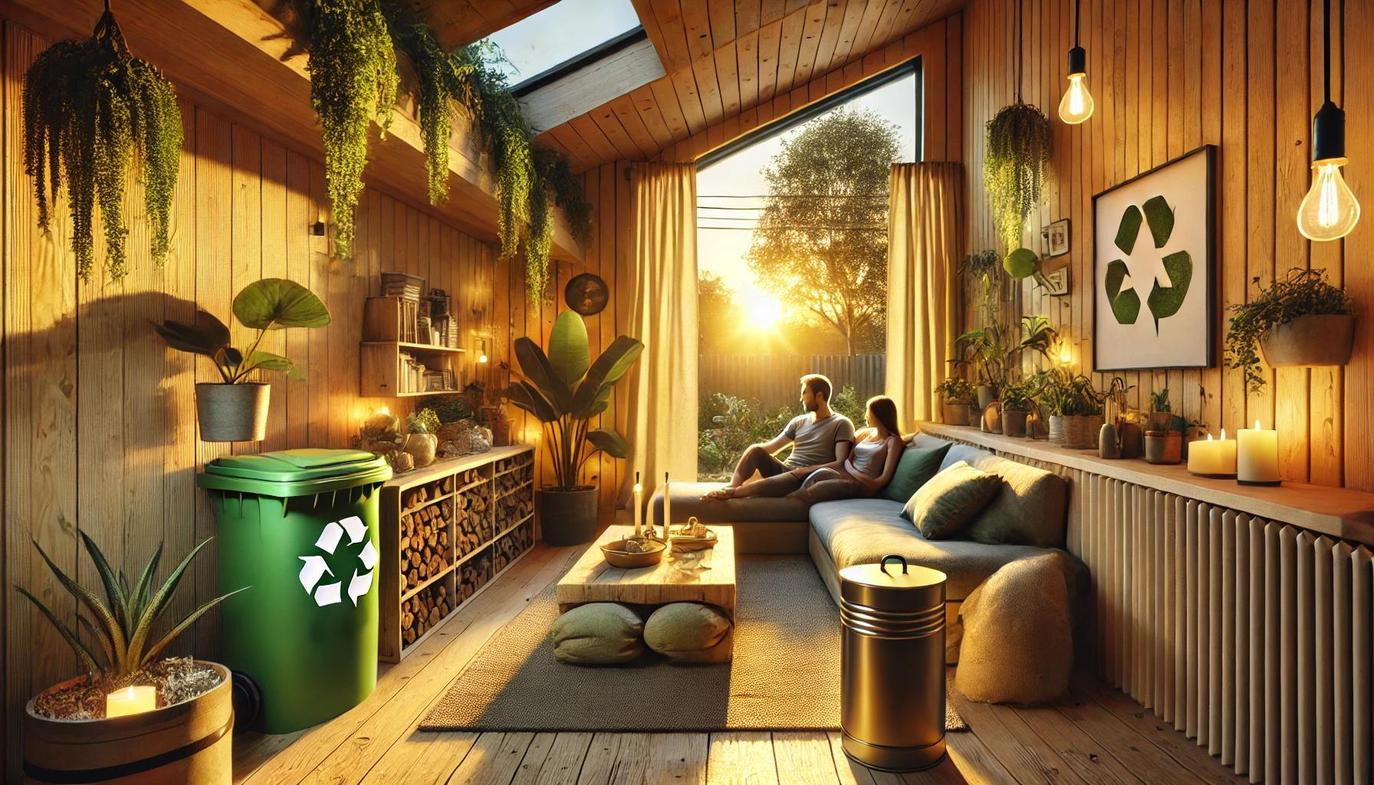
A sustainable home isn’t just about the materials you use—it’s also about your habits. Make recycling easier by placing separate bins in your kitchen, laundry area, or garage. Label them clearly to avoid confusion and ensure family members know what goes where.
Better yet, create a composting station in your backyard or use a countertop compost bin for food scraps. Composting not only reduces landfill waste but also creates nutrient-rich soil for your plants. It’s a simple but impactful way to close the loop at home.
Small Changes, Big Environmental Impact
Refreshing your home with eco-friendly upgrades is an empowering way to create a healthier living environment while contributing to a more sustainable planet. As we’ve explored, these changes do not require a massive budget or a complete overhaul. Simple, intentional decisions—from switching to energy-efficient lighting and low-VOC paints to choosing sustainable furniture and conserving water—collectively reduce your carbon footprint. By embracing these practices, you are not just enhancing your space; you are making a meaningful investment in a cleaner, greener future for everyone.
Frequently Asked Questions About Eco-Friendly Upgrades
What’s the easiest eco-friendly upgrade I can make today?
Switching your light bulbs from incandescent to LED is one of the quickest and most impactful changes. LEDs use up to 80% less energy and last much longer, saving you money and reducing your energy consumption almost instantly.
How do low-VOC paints improve my home’s environment?
Low-VOC or zero-VOC paints release significantly fewer harmful chemicals into the air compared to traditional paints. This improves your home’s indoor air quality, creating a healthier living space with fewer potential allergens and respiratory irritants.
Is sustainable furniture always expensive?
Not at all. One of the most sustainable approaches is to buy pre-loved furniture from thrift stores or online marketplaces, which is often very affordable. When buying new, look for items made from renewable materials like bamboo or reclaimed wood, which are available at various price points.


