
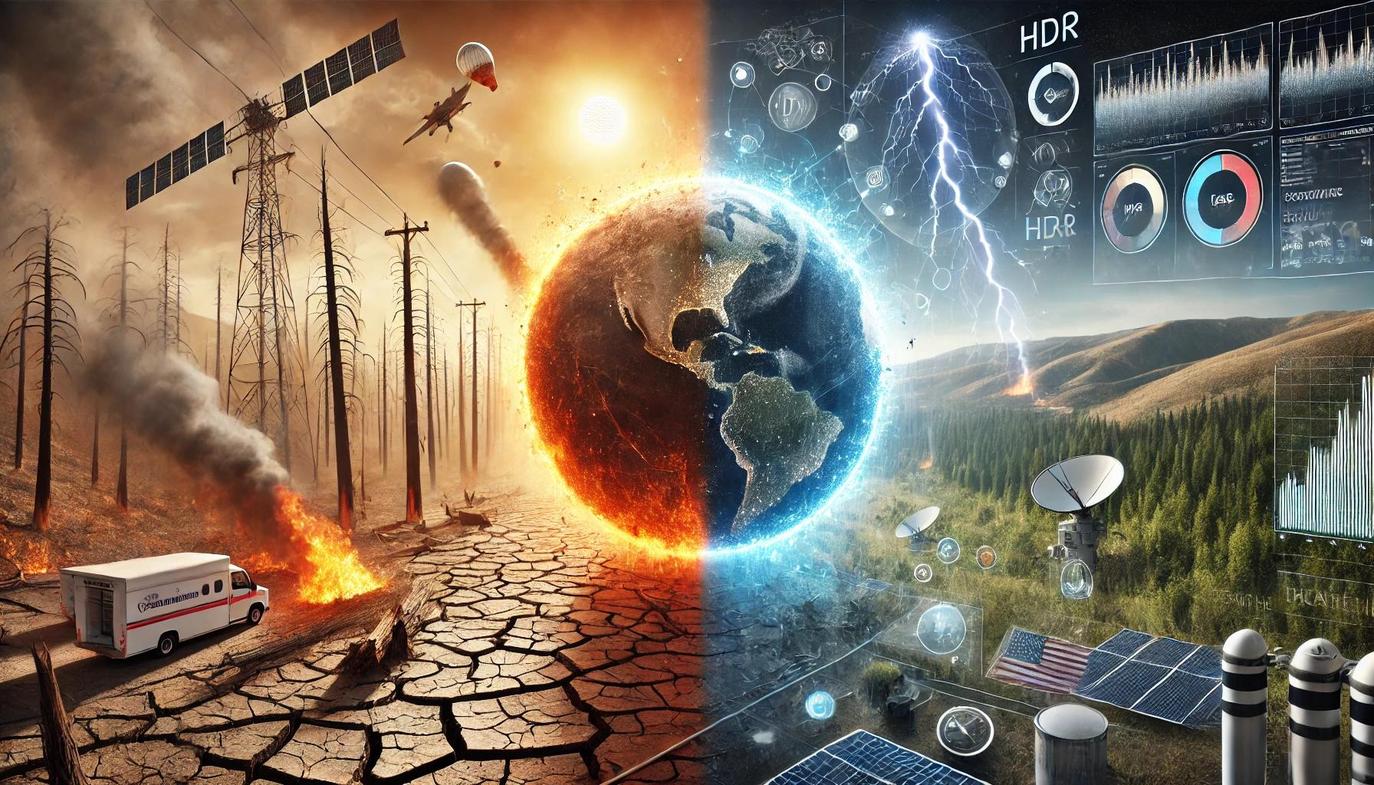
As climate change reshapes global weather patterns, the world is witnessing a dramatic escalation in the frequency and intensity of wildfires. The increase in temperatures, prolonged droughts, and erratic weather conditions are leading to devastating consequences for the environment and for human safety.
Communities near forests and grasslands are increasingly finding themselves at risk, as the flames consume large swathes of land in mere moments. To protect lives and property, we must understand the relationship between climate change and wildfires and develop effective strategies.
The Science of Climate-Driven Wildfires
The connection between climate change and wildfires lies in changes in temperature and precipitation patterns. Research from the National Oceanic and Atmospheric Administration (NOAA) indicates that the average global temperature has risen by approximately 1.2 degrees Celsius since the late 19th century, a shift that has enhanced the drying of vegetation. According to the U.S. Forest Service, higher temperatures can extend the fire season by an average of 78 days in many areas, allowing for more opportunities for wildfires to ignite and spread uncontrollably. Climate change facilitates an increase in severe drought periods, causing vegetation to become drier and more flammable.
Weather patterns that contribute to enhanced wildfire risk are often a direct result of climate change. A phenomenon known as atmospheric blocking can lead to prolonged droughts as weather systems become stuck in place. As these conditions persist, regions become ideal for wildfires to develop. The rising temperatures associated with climate change can increase the likelihood of lightning strikes, which are common triggers for wildfires.
Impacts on Community Safety and Well-Being
The effects of wildfires on communities are severe and multifaceted. The destruction is immediate, with homes and businesses lost to flames. The aftermath, however, continues to present major obstacles.
Air quality becomes a critical concern, as smoke can lead to respiratory issues and long-term health effects for vulnerable populations such as children and the elderly. Data from the Global Burden of Disease Study suggests that exposure to wildfire smoke contributes to thousands of hospitalizations in the U.S. annually, highlighting how these incidents extend their impact beyond the immediate danger of fire.
Wildfires also take a profound emotional toll on affected populations. The trauma of evacuation, coupled with the loss of property and sometimes lives, can lead to long-lasting psychological effects. Communities face disruptions in infrastructure and important services, which can hinder rebuilding efforts and slow recovery. Local governments are often overwhelmed by the cost of disaster response, requiring outside support to recover and rebuild.
Wildfire Liability and Legal Precedents
As wildfires become more common, the legal landscape surrounding them is evolving. Legal cases are emerging that focus on liability issues when it comes to utility companies whose equipment may be linked to starting fires. These lawsuits often stem from negligence claims where proper fire-prevention measures could have mitigated the damage. Victims of wildfires are increasingly seeking justice and compensation, often requiring the guidance of legal experts specializing in fire-related cases.
As victims of wildfires seek justice, many turn to law firms with specific expertise in fire-related cases, such as Trey Barton Law, to navigate the complex claims process. Policies and regulations are rapidly changing to adapt to the rising risk of wildfires. Many states are now enforcing stricter fire prevention measures, including mandated defensible space around properties and guidelines for utility companies to minimize fire hazards.
These legal adaptations seek to balance the interests of public safety with economic activities, such as forestry and land management, which may play a role in triggering wildfires.
Using Technology for Wildfire Management
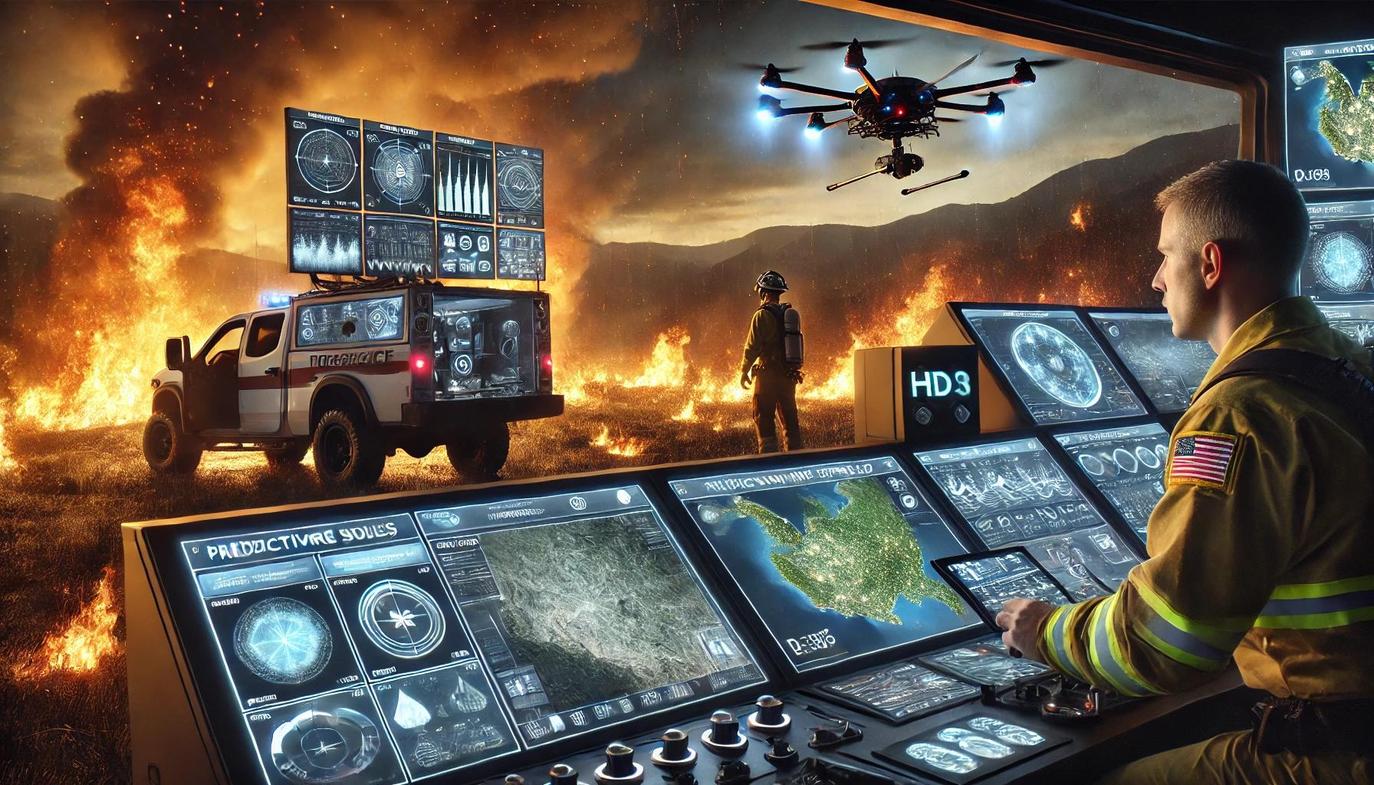
Technological innovations are transforming how we manage and respond to wildfires. Advanced satellite imagery and remote sensing technologies now allow for real-time monitoring of fire risk and behavior. Agencies like the U.S. Forest Service leverage this data to predict fire trajectories and plan effective response strategies proactively. Firefighters are equipped with drones that help evaluate the situation before ground crews move in, significantly enhancing safety and efficiency during operations.
Predictive modeling tools analyze weather patterns and historical data to make informed forecasts about fire risks. As climate conditions evolve, these tools offer critical information regarding potential fire outbreaks, enabling authorities to implement preventative measures ahead of time. Technology also makes community awareness a critical component of safety. Apps and alert systems notify residents of evacuation routes and safety tips, ensuring their preparedness against approaching fires.
Building Resilience Through Community Preparedness
Community engagement is vital in mitigating the threat of wildfires. Local governments need to focus on educating residents about fire safety and response strategies. By fostering a culture of preparedness, communities can better equip their residents to handle wildfire threats. Programs that emphasize defensible space, fire-resistant landscaping, and emergency evacuation drills are vital to this preparation. Collaborations between local fire departments and community organizations can further enhance these educational initiatives, allowing for a unified approach to wildfire management.
Funding for community resilience projects can help vulnerable areas enhance their defenses against wildfires. Grants and support from federal agencies can enable localities to implement firebreak constructions, vegetation management, and infrastructure improvements that could reduce wildfire impacts. Public awareness campaigns that highlight responsible land use and conservation are fundamental to encouraging prevention among residents.
The Ecological Cost of Wildfires
Beyond the immediate human and economic toll, wildfires have far-reaching environmental impacts that can persist for decades. The destruction of forests and vegetation leads to habitat loss for countless species, disrupting entire ecosystems and threatening biodiversity.
Soil quality often deteriorates after a fire due to erosion and nutrient loss, which can hinder natural regeneration and agricultural productivity.
Wildfires release significant amounts of carbon dioxide and other greenhouse gases into the atmosphere, exacerbating climate change in a harmful feedback loop. Even aquatic ecosystems are not spared, as ash and debris wash into rivers and lakes, impacting water quality and aquatic life. Addressing these ecological consequences requires long-term conservation planning and post-fire restoration efforts to ensure the health and sustainability of affected environments.

Navigating the Future of Wildfire Resilience
The escalating threat of wildfires, driven by climate change, demands a comprehensive and forward-thinking response. We have seen how rising temperatures and prolonged droughts create perfect conditions for these disasters, which in turn devastate communities, ecosystems, and local economies. Understanding the science, legal precedents of wildfires, and technological advancements is only the first step. True resilience is built not just on knowledge, but on collective action, where everyone from government agencies to individual homeowners plays a crucial role in mitigating risk.
Moving forward, the focus must be on integrating technology, policy, and community education into a unified strategy. From implementing advanced predictive modeling to ensuring homeowners have defensible space, our efforts must be proactive rather than reactive. By embracing innovation and fostering collaboration between government agencies, private sectors, and local communities, we can better protect lives, property, and our planet’s delicate ecosystems from the growing challenge of climate-driven wildfires.
Wildfire and Climate Change: Frequently Asked Questions
How exactly does climate change make wildfires worse?
Climate change contributes to warmer temperatures, which dry out vegetation like trees, grasses, and shrubs, turning them into highly flammable fuel. It also leads to more frequent and severe droughts, further increasing the risk. Warmer conditions can also extend the traditional fire season, allowing for more opportunities for fires to start and spread.
What is the most effective technology for fighting wildfires?
There isn’t a single “most effective” technology; rather, a combination of tools is used. Satellite monitoring and drones provide real-time data for tracking fire movement, while predictive modeling helps forecast high-risk areas. On the ground, advanced communication systems and GPS help keep firefighters safe and coordinate response efforts efficiently.
Can individuals do anything to protect their homes from wildfires?
Absolutely. Creating “defensible space” by clearing flammable vegetation, trees, and debris from around your property is one of the most effective measures. Using fire-resistant building materials, regularly cleaning roofs and gutters, and having a clear evacuation plan are also critical steps for homeowners in at-risk areas.
Are there legal consequences for accidentally starting a wildfire?
Yes, individuals and corporations can face significant legal and financial liability for starting wildfires, even if by accident. Lawsuits often focus on negligence, such as failing to maintain power lines or not extinguishing a campfire properly. These cases can result in substantial fines and compensation claims for damages to property and natural resources.


