
Recovering from an injury involves a careful and comprehensive approach to guarantee proper and efficient body healing. Whether the result of a sports incident, workplace accident, or unforeseen vehicular collision, effectively managing the aftermath is essential for restoring full range of motion, strength, and overall health.
Although physical recovery often takes center stage, integrating various health management techniques—encompassing both physical and mental aspects—can profoundly impact the healing journey. Mastering the methods to support the body throughout recovery can significantly affect long-term health outcomes.
Achieving successful injury recovery requires a balanced blend of physical care, mental strength, and, when necessary, professional guidance. Here, seven crucial health management techniques are detailed, offering a pathway to ensure comprehensive and effective healing, regardless of the injury’s severity.
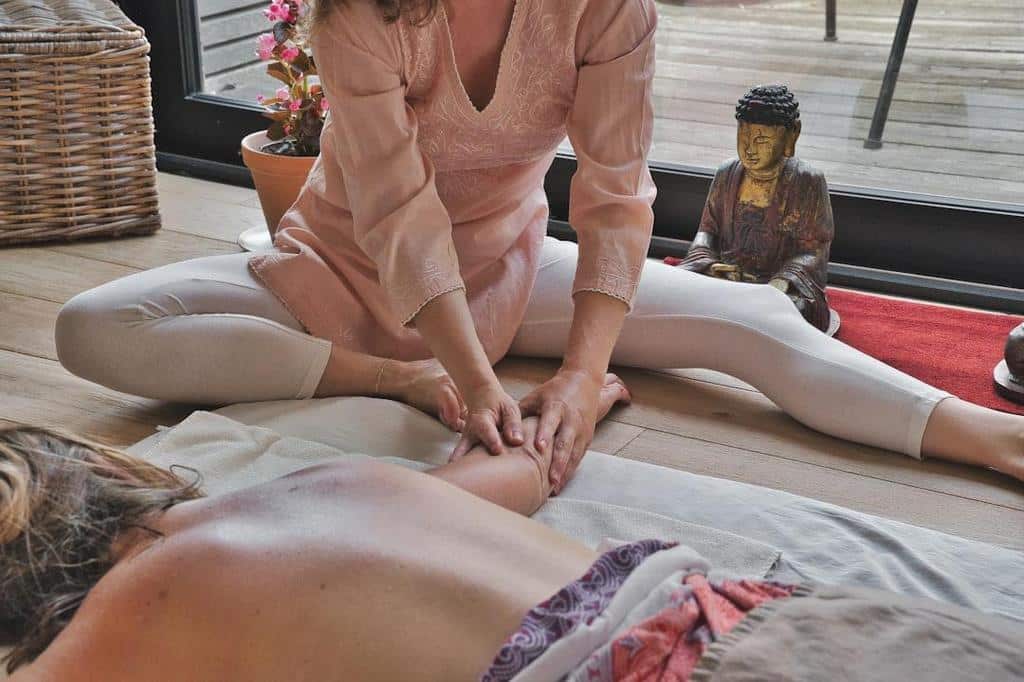
Immediate Rest and Protection of the Injury
The first step in managing any injury is rest. It may sound like a no-brainer, but many people underestimate the importance of proper rest after getting hurt. When you push through pain or fail to give your body the break it needs, you risk worsening the injury or creating new complications. This is especially critical in the first few days post-injury when inflammation and internal damage are at their peak.
Beyond resting the injured area, it’s essential to protect it from further harm. This might involve using a brace, sling, or compression bandage to stabilize the affected area. Protection allows the injured tissues to begin the healing process undisturbed, which is vital for preventing long-term issues like chronic pain or mobility loss.
Seeking Legal Advice After Traumatic Injuries
In some cases, injuries occur due to accidents that were out of your control, such as a car or truck accident. When this happens, it is essential to consider the legal aspect of your recovery, especially if someone else is at fault.
Consulting a lawyer provides essential assistance in navigating the intricate legal process. This guidance ensures fair compensation for medical expenses, rehabilitation, and lost wages. Understanding legal rights significantly impacts recovery by alleviating financial stress, which can otherwise complicate the healing process.
This support can relieve financial pressure, allowing you to focus on healing. Knowing what to do in the first 24 hours after a truck accident is crucial for protecting your legal interests, as it helps preserve vital evidence for your case. With legal matters handled, you can concentrate on both your physical and mental recovery without the added stress of navigating complex legal systems alone.

Cold and Heat Therapy to Manage Pain and Inflammation
Once the initial injury occurs, your body responds with inflammation and swelling, which can be painful and restrict movement. Applying cold therapy, like using an ice pack, proves beneficial in reducing inflammation during the initial 24 to 48 hours following an injury. This approach numbs the pain and restricts blood flow to the affected area, effectively decreasing swelling.
After the initial inflammation phase, heat therapy becomes more effective. Heat can relax tense muscles, improve circulation to the affected area, and promote tissue repair. However, timing is crucial—applying heat too early can exacerbate swelling, so it’s best to wait until inflammation has subsided.
Gradual Reintroduction of Movement Through Physical Therapy
Once the acute pain begins to ease, gentle movement can help in the rehabilitation process. Physical therapy serves as an essential component of recovery. It concentrates on restoring strength, flexibility, and range of motion in the injured area. Collaborating with a physical therapist guarantees that exercises remain safe and customized to the specific needs of the injury, effectively preventing further harm.
Early mobility can also stimulate blood flow and encourage the body’s natural healing processes. However, it’s crucial to balance movement with rest to avoid overexertion. A professional physical therapist can guide you on when to increase activity levels and how to incorporate exercises without risking a setback.

Maintaining a Balanced Diet for Optimal Recovery
The body requires adequate nutrients to facilitate the repair of damaged tissues and restore strength following an injury. Consuming a diet rich in vitamins, minerals, and proteins can significantly accelerate the healing process. Proteins are crucial in muscle and tissue repair, while vitamins C and D are vital for supporting bone health and immune function.
Maintaining proper hydration is equally important, as it aids in transporting nutrients to the injured tissues and eliminating toxins. Incorporating anti-inflammatory foods, such as leafy greens, berries, and fatty fish, into the diet can help manage swelling and discomfort. It is advisable to avoid processed foods and excessive sugar, as they may slow down recovery and increase inflammation.
Mental Health and the Importance of Patience in Recovery
The psychological aspect of injury recovery frequently receives less attention but holds equal significance to physical treatment. Injuries, particularly those that limit mobility or prevent you from engaging in your usual activities, can lead to frustration, anxiety, or even depression. Managing your mental health during recovery is essential to maintaining motivation and a positive outlook.
Practice mindfulness techniques such as meditation or deep breathing to manage stress and anxiety. Patience is crucial, as recovery can take time, and setbacks are common. Set realistic goals and celebrate small wins throughout the process to keep yourself encouraged and focused on healing.

Incorporating Restorative Sleep into Your Recovery Plan
Sleep serves as one of the most potent healing tools available to the body. During restful sleep, the body initiates repair mode, producing proteins that aid in restoring damaged tissues. Insufficient sleep can delay recovery, intensify pain, and elevate the risk of further injury by impairing balance and coordination.
To maximize the benefits of sleep during recovery, establish a consistent sleep schedule and create an environment conducive to restful sleep. This means keeping your bedroom cool, dark, and free of distractions. If your injury is causing discomfort that disrupts sleep, try adjusting your sleeping position or using pillows for additional support. Quality sleep will reduce recovery time and improve your overall well-being.
Injury recovery involves more than just treating physical symptoms. You can support efficient healing by incorporating rest, therapy, and legal guidance when needed. Every injury is unique, so it’s essential to listen to your body and provide the care, nutrition, and mental resilience it needs. A patient and thoughtful approach can significantly impact your long-term health and well-being.

Conclusion: Embracing a Holistic Path to Injury Recovery
Injury recovery entails more than tending solely to physical afflictions; it demands a holistic strategy integrating body, mind, and external support systems to achieve complete healing. By embracing a multifaceted recovery plan that includes physical therapy, legal advice when necessary, and mental health care, individuals can navigate the complexities of healing more effectively. Each component of recovery, from the initial rest to the final rehabilitation exercises, plays a pivotal role in restoring health and functionality.
Understanding and responding to your body’s signals are essential, as no two injuries heal identically. Consistently applying evidence-based strategies such as managing inflammation with cold and heat, maintaining a nutrient-rich diet, and ensuring quality sleep will support the body’s natural repair mechanisms. As you progress through recovery, maintaining patience and focusing on mental wellness will empower you to face challenges with resilience.
Recovery is an ongoing journey that does not end when physical symptoms subside. To achieve long-term wellness, continue nurturing your health by incorporating balanced lifestyle habits and stress management techniques into your daily routine. By doing so, you’ll recover from the immediate trauma and enhance your overall quality of life.
By integrating these thoughtful and deliberate health management techniques, you can pave the way for a smoother recovery, fostering physical and mental strength supporting your journey toward optimal health.


