
Do you want to dress up your garden, landscape your backyard, or dig a pond? If so, you may be considering investing in heavy equipment. But should you rent or buy the necessary tools for gardening and landscaping projects? Making this decision depends on many factors: budget, frequency of use for the equipment, complexity of the project, and more. This article aims to provide an overview of renting vs. buying heavy equipment for landscaping projects so that you can make an informed decision based on your needs.
Location
The location of your landscaping project is a critical factor to consider, especially if you’re dealing with large areas. For instance, if you live in a rural community, buying your equipment might be more cost-effective in the long run. However, storage and maintenance can pose a challenge.
If you’re dealing with a small suburban yard, then renting might be the way to go. For example, you can purchase Greenworks lawnmowers at Tractor Supply in your location so that you can easily access the equipment without having to store it. If you are there to rent, you can easily return it after use.
Frequency of Use
How often do you intend to use heavy equipment for your landscaping projects? If you are a professional landscaper, then buying may be the logical choice since you will need the equipment on a regular basis. On the other hand, if you’re tackling a one-time project or only require specific tools once in a while, then renting may be more suitable.
Of course, renting can still be an option for professionals, especially when they need specialized equipment that is not commonly used. Renting allows you to access a wider range of tools without the commitment of buying and maintaining them.
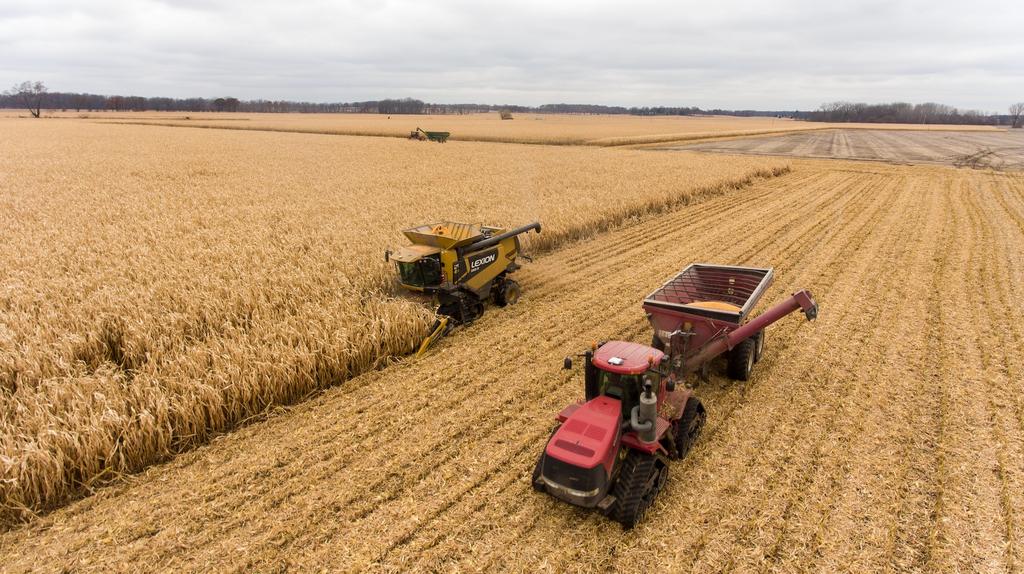
Budget
Your budget is a key deciding factor when it comes to renting or buying heavy equipment. Purchasing your own machinery can be a significant financial investment upfront. While it may seem costly in the short term, if you frequently use the equipment, this cost can be spread over many projects, making it more cost-effective in the long run. You should also consider the potential residual value of the equipment. Certain types of tools and machinery may have a reasonably good resale value, providing you with a return on your investment when you decide to sell.
On the contrary, renting can be a more economical choice for one-time projects or infrequent use. Renting eliminates the need for a large upfront investment and the costs associated with maintenance, storage, and transportation. It allows you to access the latest equipment and technologies without making a long-term financial commitment. Over time, rental costs can add up, and you may end up paying close to, or even more than, the purchase price of the equipment.
Scope of the Project
The scope of your project can also influence your decision to rent or buy heavy equipment. If your project is extensive and requires a wide variety of tools and machinery, renting may be the more practical choice. Rental companies often offer a range of equipment options, allowing you to choose the most suitable tools for each task without the expense of purchasing each piece.
For commercial contractors managing large-scale jobs, finding a reliable supplier with a diverse inventory is key. Many regional providers keep their largest selection of machinery at central hubs for quick availability. Businesses looking for equipment rental in Charlotte, for instance, can access a broad fleet of excavators and loaders. These providers typically require an approved credit account along with a certificate of insurance or a loss and damage waiver before the machinery leaves the yard. Once approved, contractors can choose to collect the machines on a rated trailer or have them delivered directly to the job site.
For smaller, more specific projects where one or two pieces of equipment will suffice, buying might be more economical, especially if these tools will be used frequently in the future. Before taking the plunge, carefully assess the requirements of your project and make a decision that aligns with both your short-term needs and long-term plans.

Equipment Maintenance and Repair Costs
As briefly mentioned above, owning equipment means taking on the responsibility of its upkeep. Regular maintenance, including oil changes, part replacements, and general servicing, can add significantly to the overall cost of ownership. Unexpected breakdowns or repairs can be costly and disrupt project timelines.
When you rent equipment, the rental company typically handles the maintenance and repair, reducing your overall project costs and eliminating potential delays due to equipment failure. But first, thoroughly understand the rental agreement. Some contracts may require the renter to cover certain repair or maintenance costs. Always read and understand your rental agreement’s terms and conditions before signing.
Environmental Impact
Owning machinery contributes to your carbon footprint, especially if the equipment is older and less fuel-efficient. Renting newer, more environmentally friendly equipment can reduce the environmental impact of your projects.
Rental companies often maintain their equipment well, ensuring optimal performance and fuel efficiency. However, the transportation of rental equipment also contributes to carbon emissions, so it’s crucial to factor in the impact of delivery and collection. In the grand scheme of things, the decision between renting and buying should consider both your financial and practical needs and the broader implications for our environment.

Equipment Training and Expertise
Operating heavy equipment requires a certain level of expertise and training. If you decide to purchase the machinery, you must either have the skills to operate it yourself or hire employees with the necessary experience. This adds to your initial costs and ongoing expenses.
Rental companies, however, often provide training on how to use their equipment safely and efficiently. If you’re unfamiliar with a particular tool or machine, renting may be a more suitable option. This is because you will receive the necessary training from professionals. Keep in mind that some equipment may require specific certifications or licenses to operate. So, be sure to inquire about these requirements.
Insurance Coverage
The most critical factor to consider when deciding between renting and buying heavy equipment is insurance coverage. Owned equipment will require a full insurance policy. This can be a considerable expense, especially for high-value machinery. This policy should cover damage or loss of the equipment itself and liability for any injuries or property damage that may result from its use.
In contrast, rental companies usually offer insurance as part of the rental agreement. However, you want to double-check what this covers. It may not provide as extensive coverage as a full insurance policy would, and there could be significant deductibles or exclusions.
Renting or Buying Overview
The decision to rent or buy heavy equipment for landscaping hinges upon a multitude of factors. It is a delicate balance between practical, financial, and environmental considerations. Renting can offer flexibility, cut down upfront costs, and alleviate maintenance responsibilities.
On the flip side, buying is a long-term investment that may prove cost-effective for frequent and repeated use. While there is no one-size-fits-all answer, carefully evaluating your unique needs and circumstances against these factors will guide you to make an informed decision that best serves your project.


